From the file. Written for the paper dated July 2015. Opened in the public stacks July 14, 2026.
In a world increasingly concerned about climate change, the methods of measurement and the entities that conduct them are coming under scrutiny. As institutions vie for legitimacy and funding, the question arises: are we truly getting the objective data we need?
The Climate Measurement Landscape
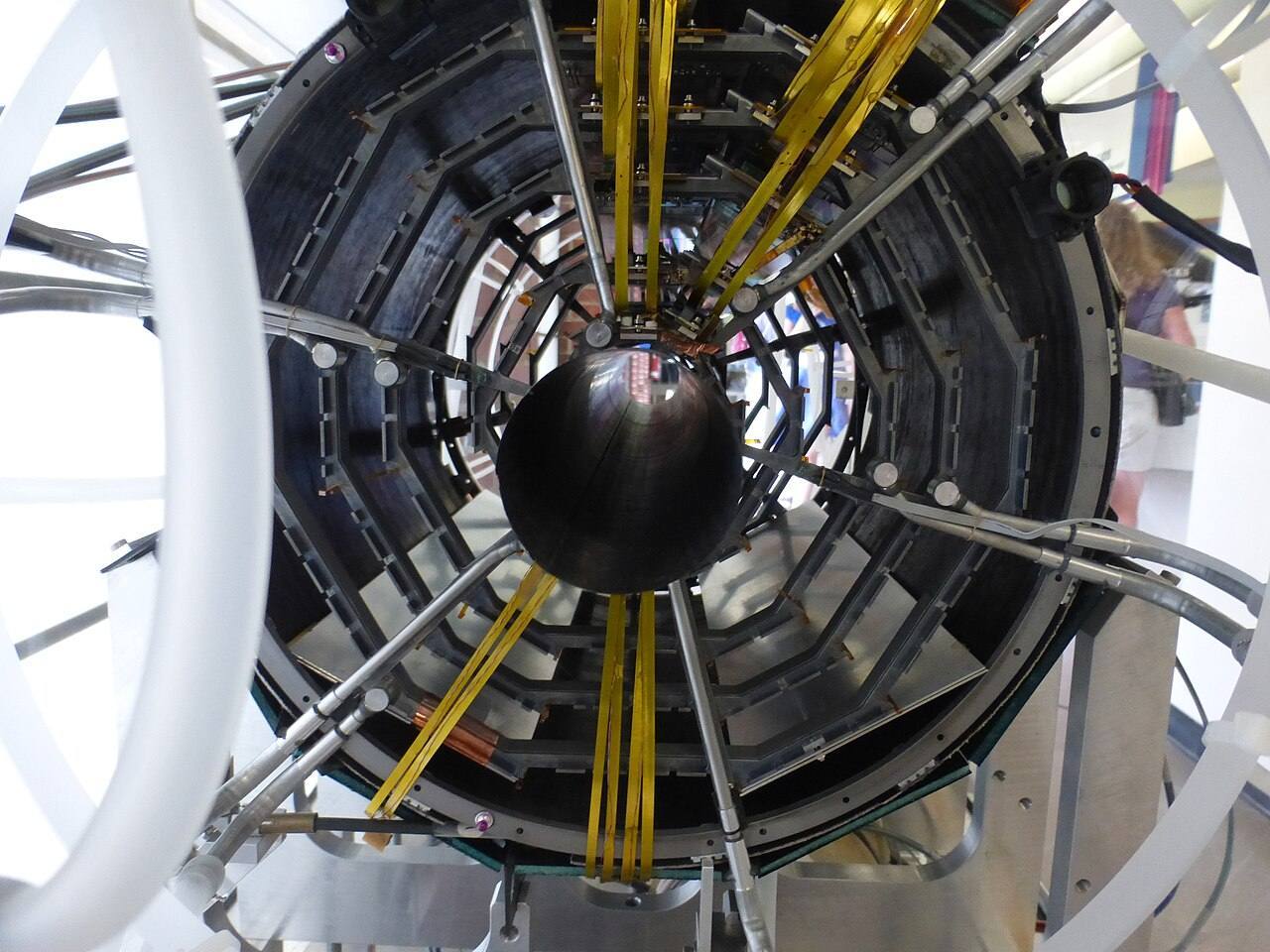
The measurement of climate change is a complex and multi-faceted endeavor. Scientific institutions, governmental bodies, and independent organizations all contribute to our understanding of the climate crisis. However, as the stakes have risen, so too have the pressures on these organizations to produce data that aligns with their funding sources or political affiliations. This reality raises significant concerns about the integrity of climate measurements.
“Data should be like a referee in a game - impartial and focused on the facts.”
On one side, we see government agencies under pressure to produce results that justify their budgets or align with political agendas. This can lead to a phenomenon known as “confirmation bias,” where data is selectively presented to support pre-existing beliefs about climate change. For instance, some reports may downplay the severity of climate impacts to avoid upsetting stakeholders or political allies.

On the other hand, there are environmental organizations that can similarly fall into the trap of exaggerating data to galvanize public support or secure funding for their initiatives. The urgency of the climate crisis can lead to sensationalized claims that, while intending to raise awareness, can ultimately damage credibility and hinder effective discourse.
The Role of Peer Review
Peer review is often heralded as a safeguard against biased data. It is a process designed to ensure that scientific work meets established standards before publication. However, even peer review is not immune to institutional bias. Researchers may face pressure to conform to the prevailing views of their funding bodies, which can skew the research outcomes. This can create an echo chamber effect, where only certain findings are amplified while others are dismissed or ignored.
Moreover, in the rush to publish and secure funding, there can be a tendency to prioritize quantity over quality. As researchers scramble to produce results, we may see an increase in “data dredging,” where researchers sift through large data sets to find statistically significant results, regardless of their practical implications. This practice can produce misleading conclusions that do not accurately reflect the state of the climate.
The Need for Transparency
As the public becomes increasingly aware of climate change, there is a growing demand for transparency in how institutions measure and report climate data. Transparency is essential not only for fostering public trust but also for enabling informed debate about climate policies. When institutions operate in silos, shielding their methodologies and data from scrutiny, it raises questions about their reliability.
“Transparency is not just a buzzword; it’s a necessity for trust in climate science.”
In recent years, some scientists have advocated for open data initiatives, encouraging institutions to share their raw data and methods. This push for openness can help mitigate the influence of bias and enable independent verification of results. When multiple parties can access and analyze the same data, it can lead to a more robust understanding of climate trends, free from the distortions of institutional agendas.
Bridging the Divide
While it is essential to critique both the excesses of the left and right in climate discourse, it is equally important to find common ground. The proliferation of conflicting narratives around climate change often obscures the fundamental truths that should unite us: the planet is experiencing significant changes that require urgent attention. Instead of allowing political affiliations to cloud our judgment, we must focus on the science itself.
In this polarized climate, the challenge for scientists, activists, and policymakers alike is to navigate the conversation with integrity. By committing to objective measurement and reporting, we can foster a more informed and productive dialogue, one that encourages collaboration rather than division.
Conclusion
The integrity of climate measurement is under siege from both ends of the political spectrum. Institutions must resist the urge to protect their own interests at the expense of scientific truth. Only through rigorous, impartial data collection and transparent reporting can we hope to address the pressing challenges of climate change. As the discourse continues to evolve, the call for accountability and integrity in climate science has never been more critical.
✦ ✦ ✦