From the file. Written for the paper dated June 2015. Opened in the public stacks July 14, 2026.
As the dust settles from the recent State of the Union address, the political landscape reveals a tangled web of incentives and agendas that shape the actions of both the left and the right.
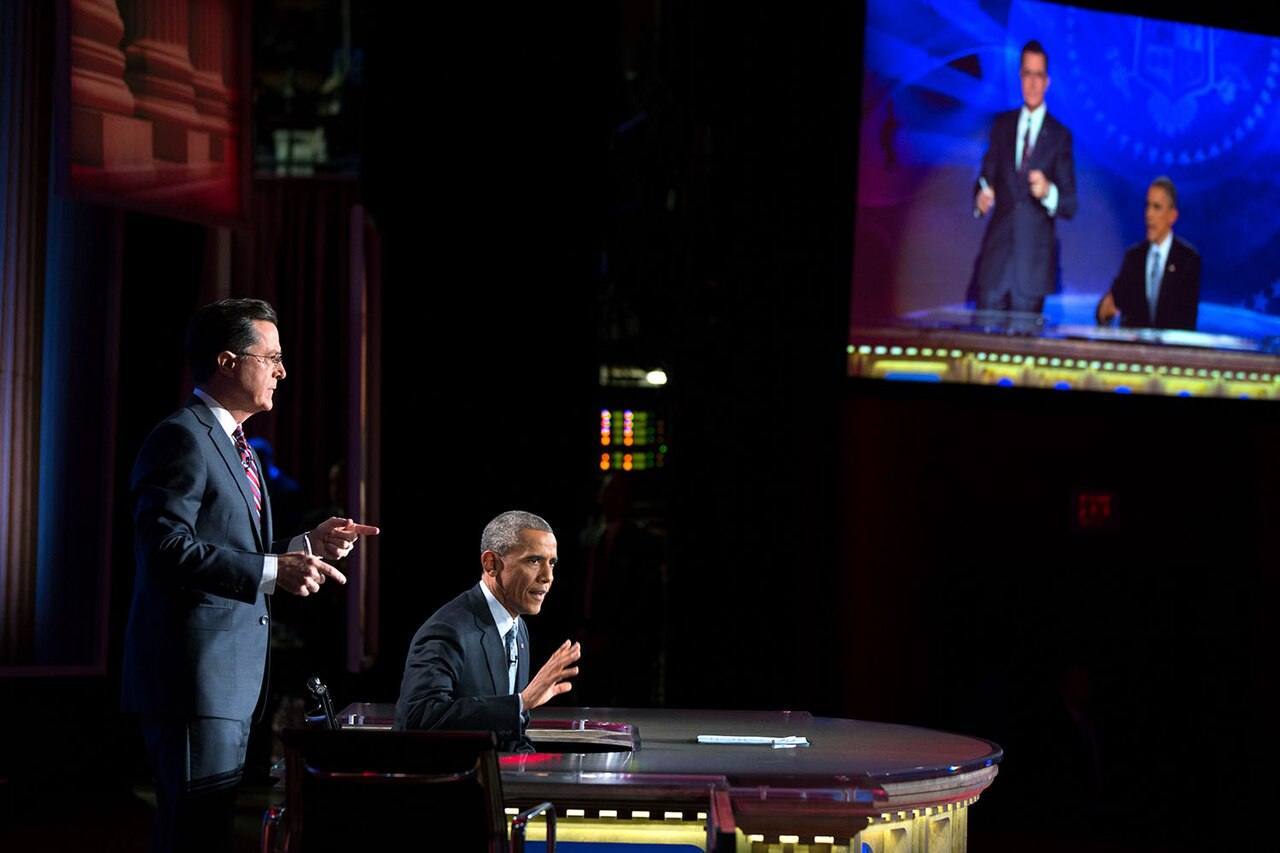
The Left's Pursuit of Progressivism
The progressive wing of the Democratic Party is riding high on a wave of support for issues like income inequality, healthcare reform, and climate change. While these topics resonate with a growing base of younger voters, the methods employed to advocate for them often veer into extremes. The rhetoric surrounding these issues sometimes dismisses legitimate concerns from moderate voices within the party and the public. This could alienate potential allies who might otherwise support incremental changes.

For instance, while it is commendable to push for a higher minimum wage, the insistence on a rapid hike without a comprehensive economic analysis can lead to unintended consequences. Many small businesses express apprehension that such a move might lead to layoffs or reduced hiring, particularly in regions where the cost of living does not justify such an increase. The left’s drive for bold initiatives must be tempered by the realities faced by everyday workers and employers to maintain broad support.
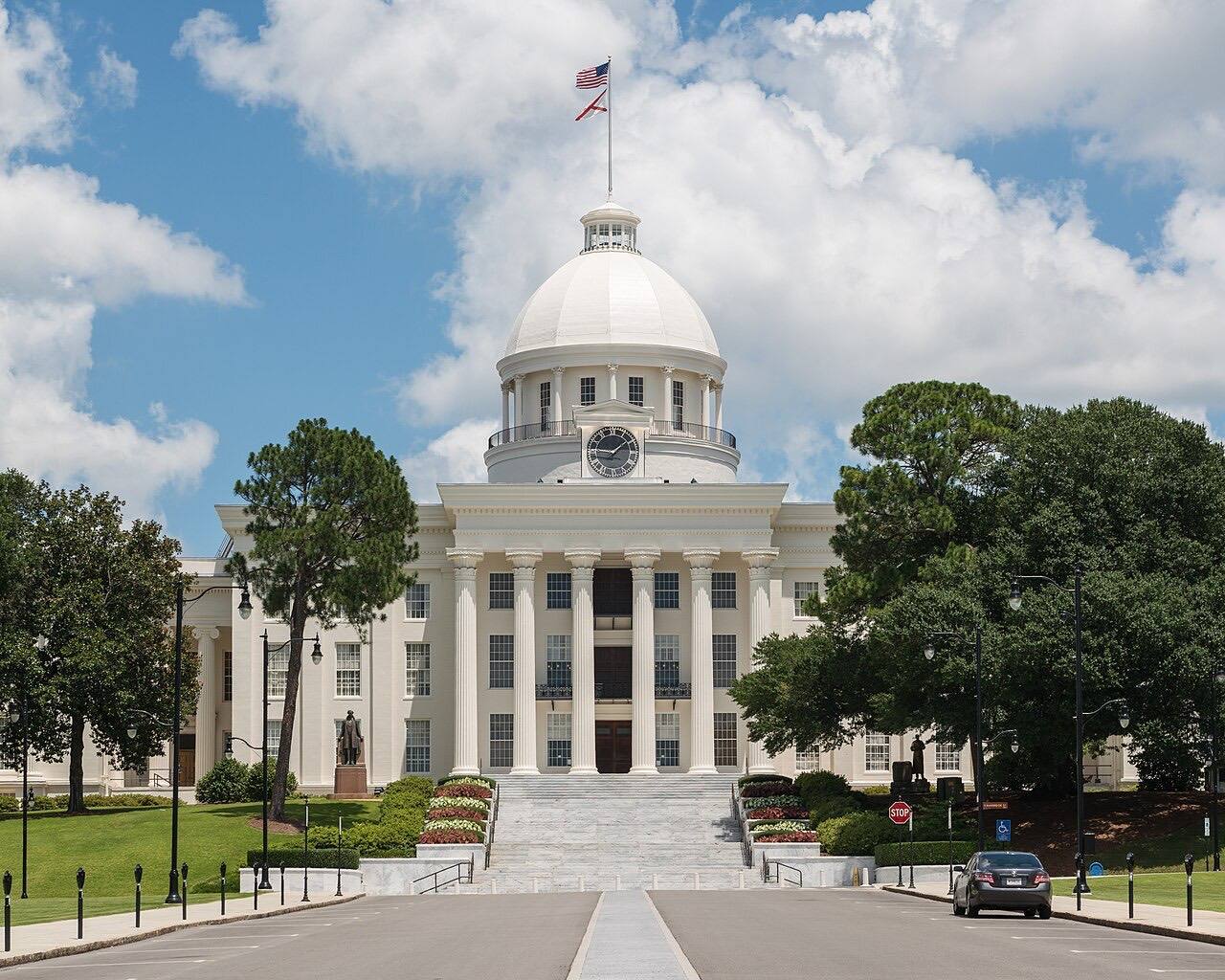
The Right's Rhetoric of Resistance
On the other side of the aisle, the Republican Party finds itself entrenched in a culture of resistance. The reactionary stance against the President’s proposals often prioritizes political posturing over genuine debate. In a time when bipartisan solutions could address pressing issues, the right's insistence on a hardline approach can lead to gridlock. It's a strategy that energizes the base but risks sidelining moderate Republicans and independents who crave pragmatic solutions.

Take, for example, the fervor surrounding the Affordable Care Act. While legitimate critiques exist regarding its implementation and costs, the outright rejection of any reform or adaptation fosters an environment where constructive dialogue is nearly impossible. The rhetoric often devolves into name-calling rather than focusing on finding common ground to improve healthcare access for all Americans.
The path forward requires a recognition that both extremes can hinder progress, with the left potentially alienating moderate allies and the right stifling necessary debate.
Finding Common Ground
As both parties navigate their own internal pressures and the demands of their bases, the pursuit of common ground becomes crucial. Voter fatigue with partisan bickering is palpable, and many Americans are searching for leadership that prioritizes results over rhetoric. This presents an opportunity for elected officials to emerge as pragmatic leaders who can bridge divides and tackle issues collaboratively.

One area ripe for such collaboration is infrastructure. With a crumbling transportation system and underfunded public projects, both parties could benefit from acknowledging the need for investment. Rather than framing it as a partisan issue, leaders could advocate for infrastructure improvements as a means of stimulating the economy and creating jobs, a topic that resonates across the political spectrum.
The Role of Voter Sentiment
Voter sentiment is a powerful force that both parties must heed as they navigate this complex landscape. Polling suggests that Americans are increasingly frustrated with the status quo, favoring candidates who promise to break the mold. The political extremes may capture attention, but many voters are yearning for candidates who demonstrate the ability to listen, compromise, and lead with integrity.
As the 2016 election approaches, both parties must recognize that their incentives can lead to excesses that ultimately undermine their goals. For Democrats, the challenge lies in balancing bold progressive ideas with the realities faced by constituents. For Republicans, the imperative is to engage in constructive debate while resisting the allure of extreme partisanship. Each party has the opportunity to redefine their narrative and present a vision that resonates with the American public.
Conclusion
In the aftermath of the State of the Union, it is clear that the incentives driving both the left and the right may lead them down paths of excess that hinder progress. A commitment to collaboration, an understanding of the electorate's desires, and a willingness to engage in genuine dialogue could pave the way for meaningful change. As the political climate continues to evolve, it is up to leaders from both parties to rise above the fray and work towards solutions that benefit all Americans.
✦ ✦ ✦