From the file. Written for the paper dated May 2015. Opened in the public stacks July 14, 2026.
As we watch rockets ascend into the cosmos, the thrill of exploration captivates our imagination. Yet, behind the spectacle of space launches, a deeper conversation often gets lost in the noise.

The Reality Behind the Launches
In recent years, space exploration has seen a surge in public interest, spurred by high-profile missions and the promise of new technologies. Companies like SpaceX and Blue Origin have made headlines with their ambitious goals, from colonizing Mars to developing reusable rockets. However, what often gets overlooked in the excitement are the intricate details and challenges that accompany these launches.

The media coverage frequently focuses on the launch countdown, the rocket's ascent, and the subsequent scientific discoveries. But what about the months or even years of painstaking preparation that occurs before the launch? The meticulous engineering, the rigorous testing, and the countless hours of labor put in by scientists and engineers rarely receive the same spotlight as the launch itself.
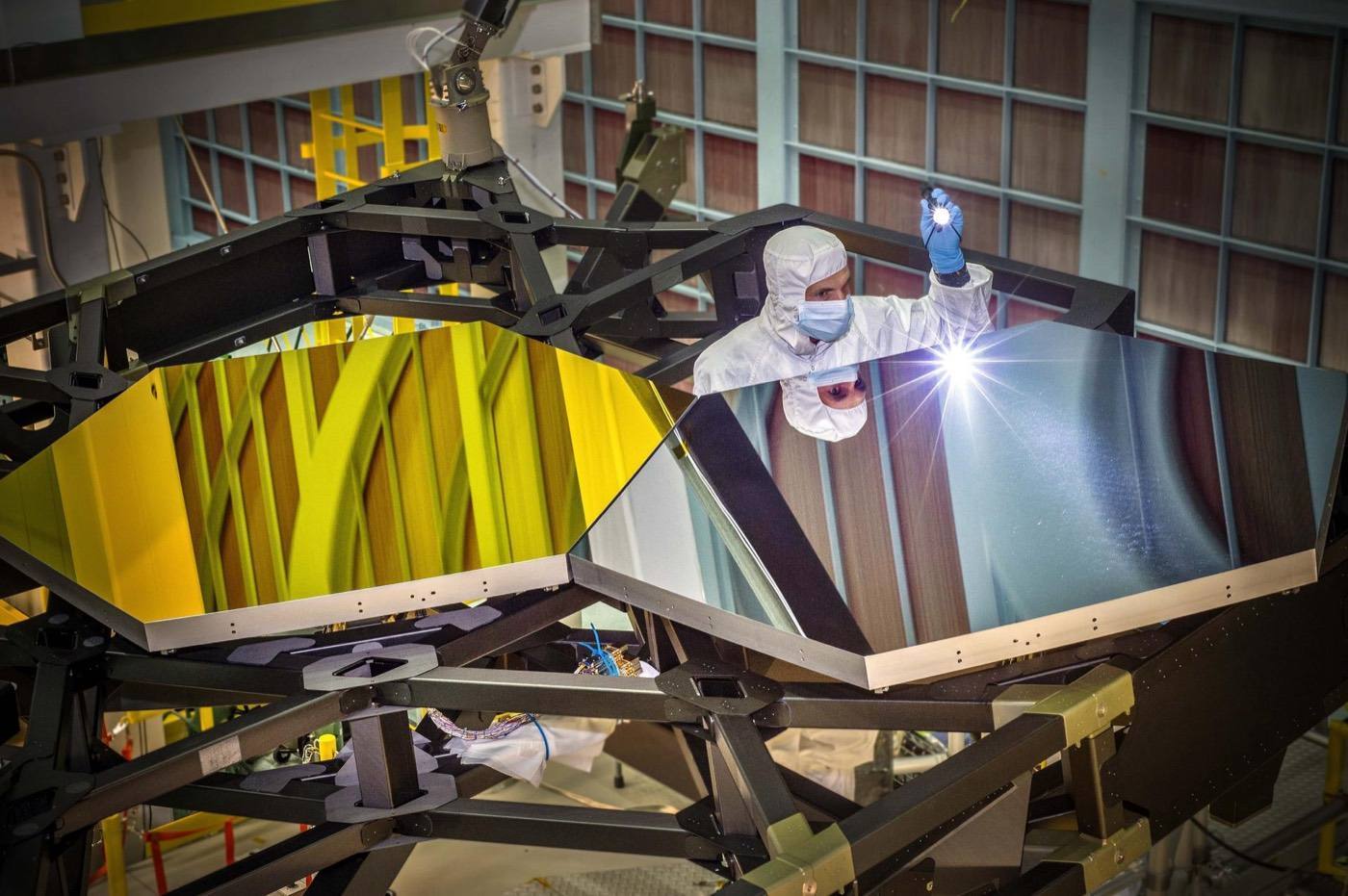
"The excitement of a launch can overshadow the immense work behind it."
When a rocket finally takes off, it is the culmination of a symphony of efforts from various teams, each contributing their expertise. Yet, the average viewer is often left with a simplified narrative: a rocket launches, and humanity reaches for the stars. The less glamorous aspects, such as budget constraints, political pressure, and the ethical implications of space exploration, tend to remain unspoken.

Budget Battles and Bureaucratic Bumps
Funding for space programs is a perennial issue that highlights the ongoing tug-of-war between different factions within government and private sectors. While the right champions the idea of private enterprise leading the charge, often casting government space agencies as bureaucratic behemoths, the left tends to emphasize the need for public investment in science and exploration. Both sides have valid points, yet the conversation often devolves into a binary debate that ignores the complexities of funding space initiatives.
On one hand, the right argues that the free market can innovate and drive costs down. They point to the successes of private companies as proof that government involvement is unnecessary. However, this perspective can overlook the foundational work that government agencies like NASA have done for decades in laying the groundwork for these private successes. On the other hand, the left often criticizes corporate interests, arguing that profit motives could cloud the ethical considerations of space exploration. Yet they, too, can exhibit their own excesses by pushing for funding without fully accounting for the realities of budgetary constraints.

Both sides can benefit from a more nuanced approach to the funding of space exploration. A collaborative model that incorporates public funding and private innovation may be the most effective path forward, yet the entrenched perspectives often prevent meaningful dialogue.
The Human Element
In the rush to celebrate technological achievements, we often forget the human stories behind the missions. The engineers, technicians, and researchers who toil away in labs and control rooms are the unsung heroes of space exploration. Their dedication and passion drive progress, yet they rarely feature in the headlines. The narrative of space exploration tends to focus on the "heroic" astronauts while sidelining the many contributors who make the missions possible.
"The engineers and scientists are the backbone of every successful mission."
Moreover, the broader implications of space exploration, such as the ethical considerations of colonizing other planets or the environmental impact of rocket launches, are often glossed over in favor of more sensational headlines. These discussions are crucial, as humanity ventures further into the cosmos. How do we ensure that our ambitions do not come at the expense of our home planet or the integrity of potential extraterrestrial environments?
Looking Beyond the Launch
As we celebrate each successful launch, it is essential to remember the myriad factors that contribute to these achievements. From funding battles to ethical dilemmas, the complexities of space exploration extend far beyond the launch pad. Both left and right perspectives have their merits, but a more comprehensive dialogue is necessary to address the challenges we face as we reach for the stars.
The future of space exploration depends on collaboration, understanding, and a willingness to engage in thoughtful discussions that transcend political divides. It is only through this lens that we can hope to navigate the uncharted territories ahead.
✦ ✦ ✦