From the file. Written for the paper dated April 2015. Opened in the public stacks July 14, 2026.
In an age where certainty is worshipped, both sides of the political spectrum have become enraptured by their own narratives, often at the expense of truth and nuance.

The Illusion of Certainty
The political climate of April 2015 is characterized by an unwavering demand for certainty - from the right's insistence on strict interpretations of policies and ideologies to the left's passionate defense of progressive values. This obsession with certainty, however, comes at a steep price. When individuals and groups become entrenched in their beliefs, they often ignore the complexities of the issues at hand, leading to oversimplification and polarization.
The right, for example, has embraced a narrative that paints government intervention as inherently detrimental to individual freedoms and economic prosperity. This perspective often overlooks the historical context of how certain policies have provided safety nets for the most vulnerable in society. Conversely, the left's approach to social justice and environmental issues often hinges on the idea that immediate and sweeping reforms are the only acceptable solutions, dismissing gradual approaches that may lead to more sustainable progress.
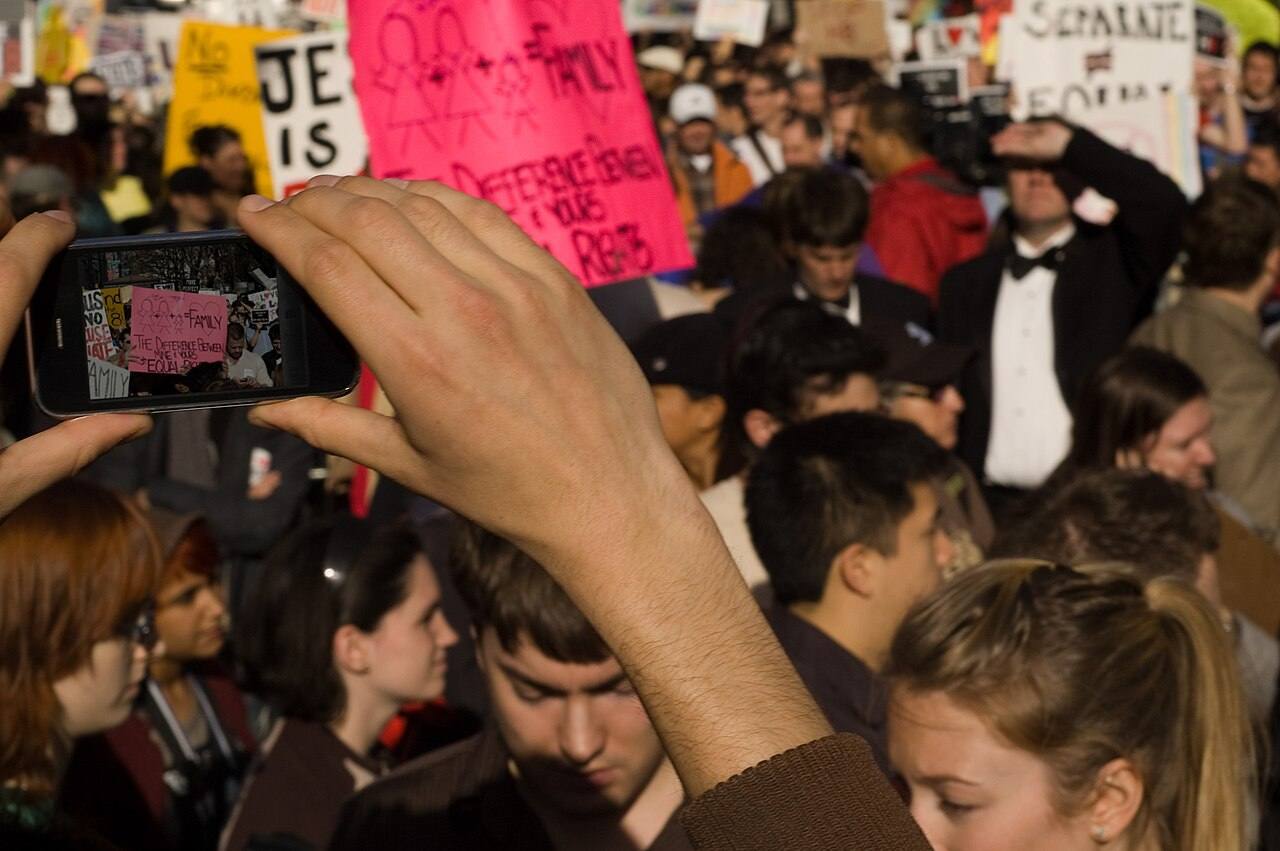
Cherry-Picking Data
Both sides have become adept at cherry-picking data to reinforce their respective arguments. The right frequently cites statistics that showcase the failures of government programs, while the left points to the stark inequalities that persist in society as evidence of systemic failure. This selective use of numbers breeds a culture where facts are not just manipulated, but weaponized. The result is a public discourse that is less about finding solutions and more about winning arguments.

“When certainty becomes the ultimate goal, the pursuit of truth is sacrificed.”
Take, for instance, the debate surrounding healthcare reform. Proponents of the Affordable Care Act argue that increased access to healthcare will ultimately reduce costs and improve outcomes. Critics, however, focus on rising premiums as evidence that the law is failing. Both sides present statistics to support their claims, yet the reality is often more nuanced. The interplay between cost, access, and quality is complex and cannot be distilled into a single narrative.
A Call for Nuance
In this environment of certainty, it is crucial to advocate for nuance and a willingness to engage with the complexities of the issues we face. Rather than clinging to rigid ideologies, we should strive for an understanding that embraces the gray areas in between. This does not mean abandoning our principles; rather, it encourages a more open-minded approach to policy-making and societal change.
Both the left and right have the opportunity to learn from one another. The right can acknowledge that certain government interventions can promote fairness and equity, while the left can consider that not all government programs yield optimal results. A collaborative approach can lead to more innovative solutions that address the needs of a diverse society.
The Dangers of Extremism
As we navigate this tumultuous political landscape, the dangers of extremism become increasingly apparent. On both sides, there is a tendency to vilify the opposition, which only serves to deepen divisions. The left often portrays the right as cruel, while the right depicts the left as naive. Such characterizations not only stifle productive dialogue but also hinder progress.
The current state of political discourse suggests that many are more interested in maintaining their ideological purity than in seeking a common ground. This is particularly troubling in an era where pressing issues such as climate change, economic inequality, and healthcare require collaborative, multifaceted approaches. Solutions are rarely found in black and white; they exist in the shades of gray that require compromise and understanding.
Moving Forward
As we look ahead, it is essential to foster an environment where healthy debate can thrive. Encouraging critical thinking and open dialogue will challenge the status quo of certainty and allow for a more informed citizenry. Political leaders, media, and the public alike must prioritize truth over certainty and seek to engage with opposing viewpoints rather than dismiss them outright.
In conclusion, the cost of certainty may be too high for a society that thrives on diversity of thought. We must reject the notion that certainty equates to strength and instead embrace the complexities that come with a more nuanced understanding of our world. Only then can we begin to address the real challenges we face, moving beyond the trenches of partisanship to find meaningful solutions.
✦ ✦ ✦