From the file. Written for the paper dated April 2015. Opened in the public stacks July 14, 2026.
As the world stands at the precipice of a new era in space exploration, the numbers behind recent space launches reveal a story of ambition, investment, and potential pitfalls that deserve scrutiny.

The Thrill of Launches
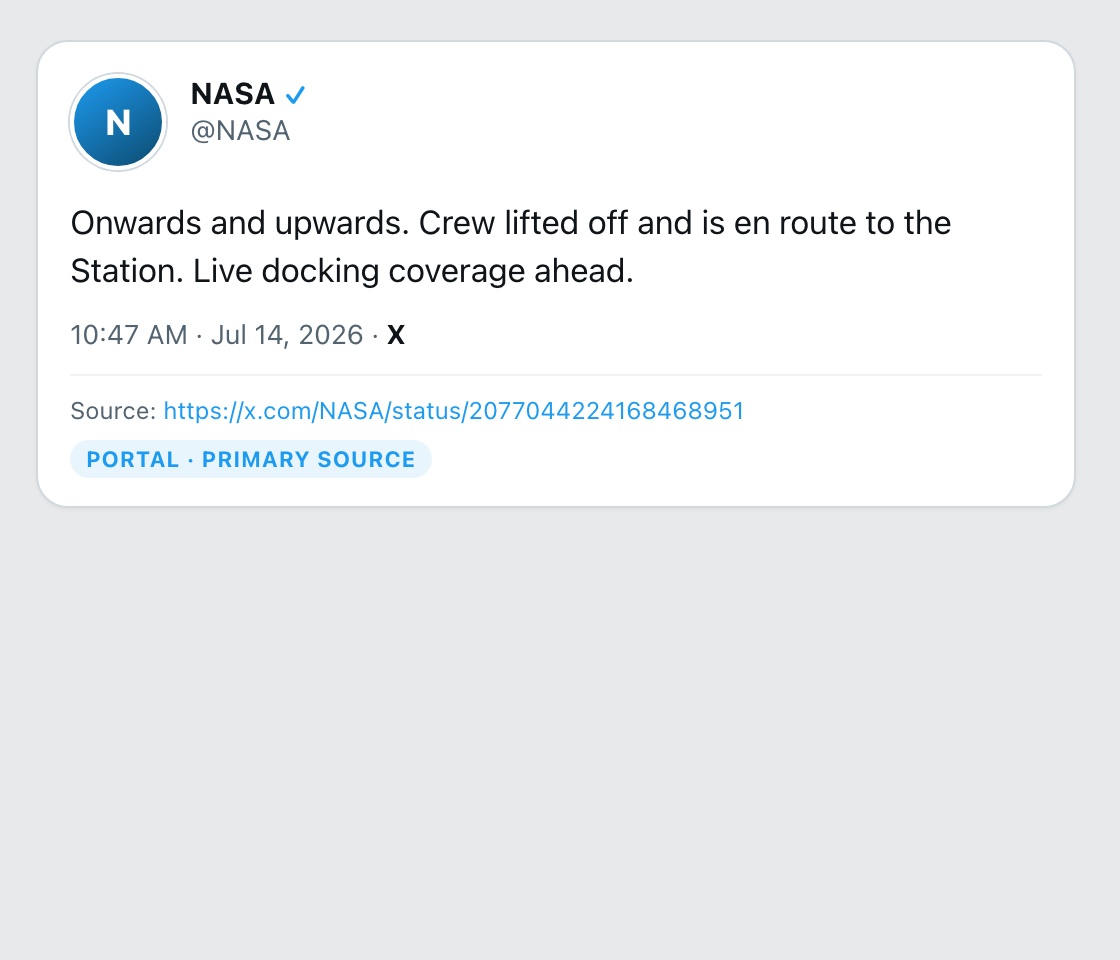
In recent months, excitement surrounding space launches has reached a fever pitch. Private companies like SpaceX and Blue Origin are at the forefront, racing to secure their place in the future of interplanetary travel and satellite deployment. Governments, too, are reinvigorating their space programs, with NASA's Mars missions and international collaborations making headlines. But while enthusiasm is warranted, a closer examination of the statistics paints a more nuanced picture.
Investment vs. Reality
It is easy to get swept up in the optimism of new ventures, especially when they promise to push the boundaries of human capability. However, the financial investment in these initiatives raises questions about sustainability and practicality. For instance, while SpaceX has celebrated successful launches, the costs associated with developing, manufacturing, and launching rockets are staggering. Many of these companies operate on a model that relies heavily on government contracts and venture capital - both of which are inherently volatile.
"The numbers suggest that while we are aiming high, we may be building castles in the sky."
The claim that commercial spaceflight will soon become a routine mode of transportation is often met with skepticism by industry experts. The reality is that the infrastructure necessary for mass space travel is still in its infancy, and the investment needed to bring it to fruition is astronomical. Critics argue that the public and private sectors may be overly optimistic about the pace of development and the actual demand for space services.
Environmental Concerns
On the other hand, the rise of private space companies also raises serious environmental concerns. The environmental impact of frequent rocket launches is not well understood. As the frequency of launches increases, so does the potential for increased carbon emissions and pollution. The scientific community is divided on whether the benefits of space exploration outweigh these potential harms.
Public Perception vs. Reality
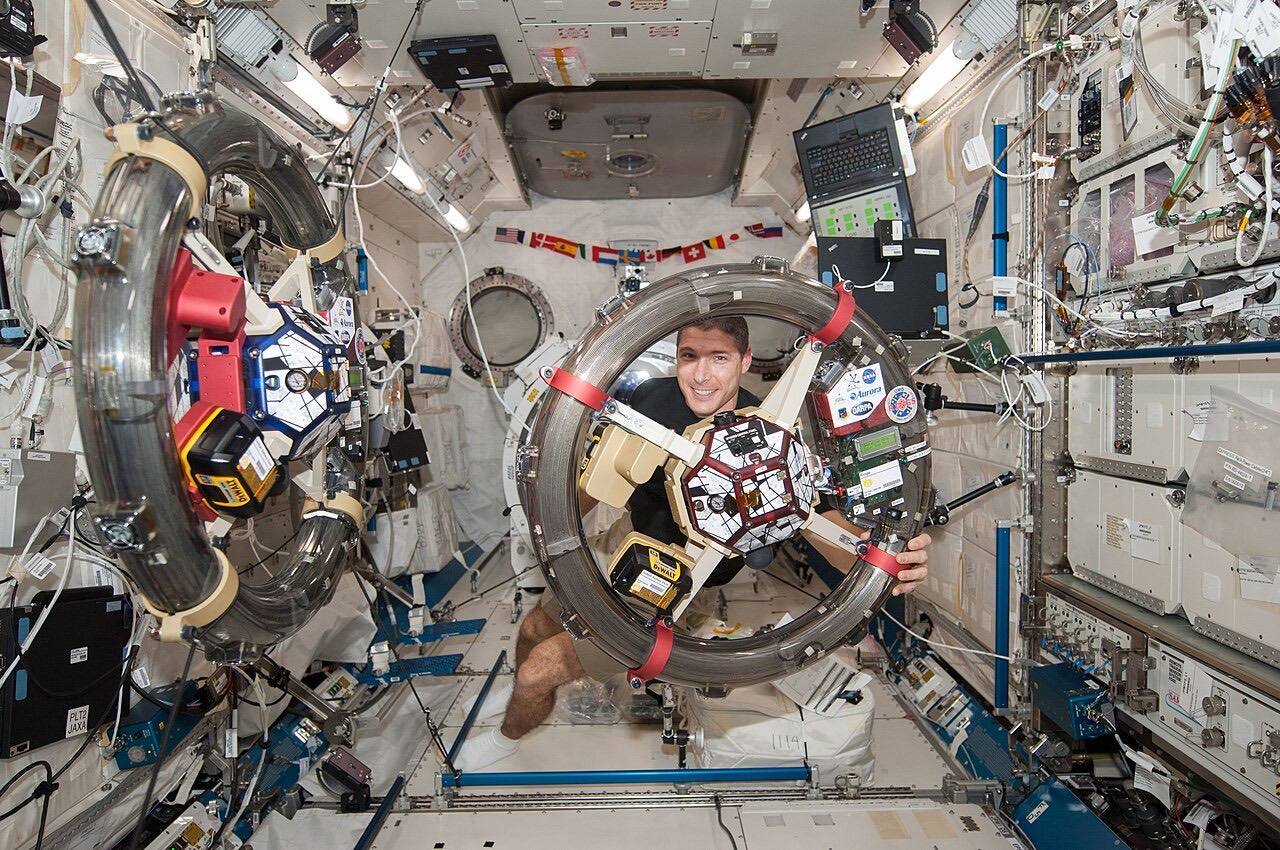
Public perception of space exploration is often shaped by sensational media coverage that touts the promise of colonizing Mars and mining asteroids. However, the actual data suggests a need for caution. While the allure of space is captivating, the challenges of human life beyond Earth are monumental. Factors such as radiation exposure, resource scarcity, and the psychological effects of extended space travel are critical issues that are often overlooked in the excitement of launch announcements.
It is important to recognize that while the ambition to explore space is a unifying goal, the reality of achieving such goals requires a grounded approach. The public deserves accurate information about the risks and rewards associated with space initiatives, rather than hype that could lead to disillusionment.
Political Posturing and Space Policy
Political actors on both sides of the aisle have been quick to embrace the excitement surrounding space exploration, often using it as a platform to showcase their vision for the future. However, the excesses of political posturing can lead to dangerous oversimplifications. The funding for NASA and other space agencies is often caught in the crossfire of partisan debates, which can hinder the long-term planning necessary for sustained exploration efforts.
"We need a cohesive space policy that transcends party lines and focuses on the future."
Instead of rallying around a unified space policy, political leaders risk fracturing support based on short-term objectives and flashy announcements. The result is a lack of continuity that could stifle innovation and progress in the long run. A robust space policy requires cooperation and commitment from both parties to ensure that the United States maintains its leadership in space exploration.
Conclusion: A Call for Responsibility
As we stand on the brink of unprecedented advancements in space exploration, it is crucial that we examine the numbers behind the excitement. The pursuit of knowledge and exploration is noble, but it must be tempered with responsibility. The public deserves transparency about the costs, risks, and environmental impacts associated with these endeavors. Only then can we hope to embark on a journey into the cosmos that is sustainable, equitable, and beneficial for all.
✦ ✦ ✦