From the file. Written for the paper dated April 2015. Opened in the public stacks July 14, 2026.
In an age where statistics are wielded like weapons in political debates, understanding the importance of primary sources can’t be overstated. Yet, both the left and right continue to selectively interpret data to fit their narratives, often at the expense of meaningful discourse.

Unpacking the Numbers
As we approach the 2016 presidential elections, the cacophony of opinions and data-driven arguments is reaching a fever pitch. Politicians and pundits alike are quick to cite figures from studies and surveys, but how many of them have actually taken the time to read the primary sources behind those numbers? The truth is, many of us accept the headlines and sound bites without digging deeper.

For instance, a recent poll indicated that a significant percentage of Americans support a particular policy proposal. However, upon examining the methodology of that poll, one might find that the sample size was limited or that the questions were framed in a leading manner. Such nuances can drastically alter the interpretation of data, yet they often go unnoticed amid the noise of campaign rhetoric.

The Left vs. The Right
On the left, there is a tendency to cling to data that supports progressive ideals, often touting statistics that highlight social inequality and the need for reform. While these issues are undeniably important, the left sometimes overlooks studies that might counter their positions. For example, in discussions about minimum wage increases, advocates often cite studies showing increased earnings for low-wage workers without addressing potential job losses or reduced hours as a consequence of such policies.

Conversely, the right frequently embraces figures that emphasize economic growth and fiscal responsibility while dismissing evidence that underscores the plight of marginalized communities. When discussing tax cuts, conservatives may focus solely on the benefits for high earners, neglecting the impact these cuts might have on social services that support the less fortunate. In doing so, they create a skewed narrative that fails to account for the full spectrum of economic realities.
"Statistics are often used to manipulate rather than illuminate."
The Dangers of Selective Interpretation
The selective interpretation of data not only fuels division but also undermines the credibility of important discussions. When both sides cherry-pick statistics, they create an environment where dialogue becomes nearly impossible. Instead of fostering understanding, the political landscape is dominated by inflammatory rhetoric and half-truths.
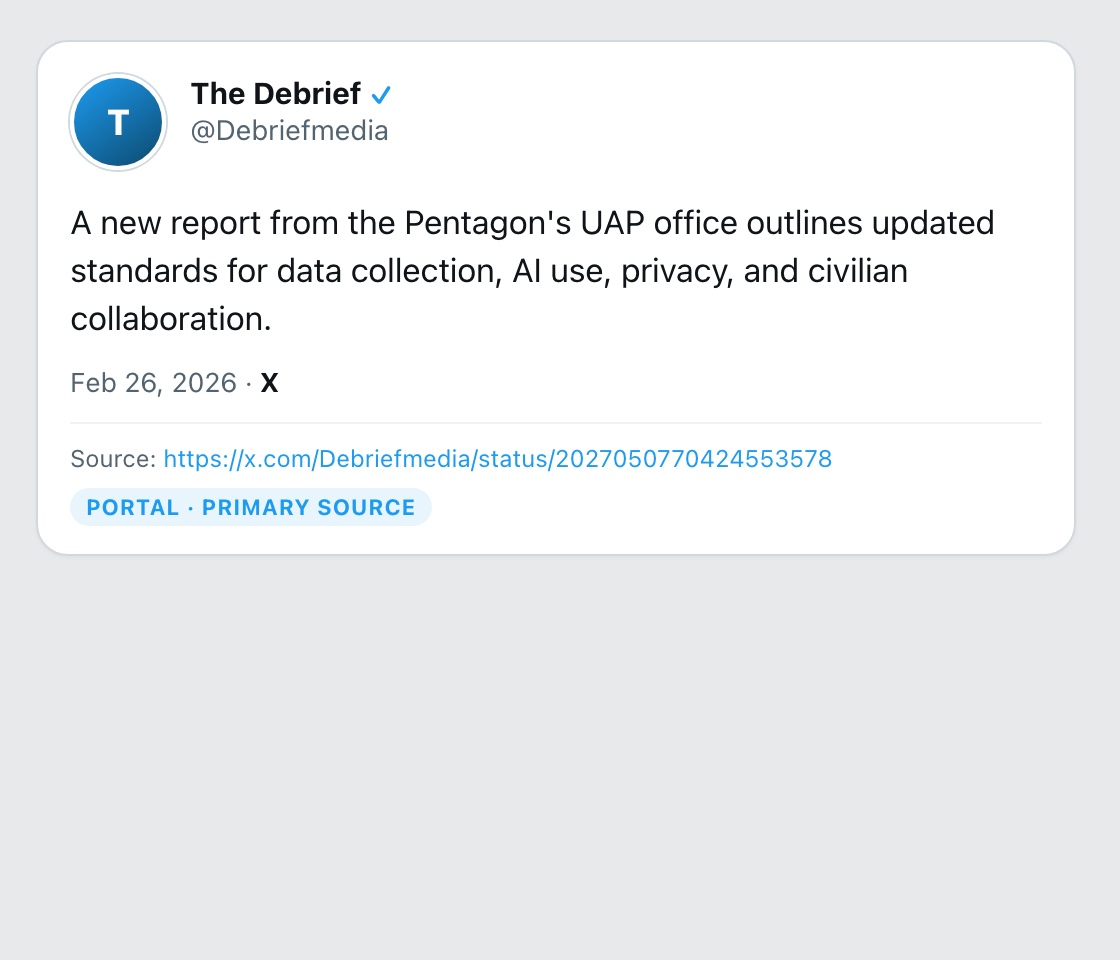
Consider the heated debates surrounding healthcare reform. Advocates on both sides have marshaled statistics to support their arguments, yet many have failed to engage with comprehensive studies that provide a nuanced view of the issues at hand. By neglecting to consult primary sources, we risk adopting narratives that may not align with the realities faced by everyday Americans.
Encouraging Critical Engagement with Data
To bridge the divide and foster a more informed electorate, we must encourage critical engagement with data. This means not just relying on secondhand interpretations but actively seeking out original studies and reports. By doing so, we can better understand the complexities of the issues we care about and make more informed decisions.
Moreover, as consumers of news, we have a responsibility to question the sources of information we encounter. Are the data being presented backed up by rigorous research? Who funded the studies, and what biases might they carry? By asking these questions, we can begin to sift through the noise and arrive at a more accurate understanding of the issues facing our society.
The Call for Accountability
As the political climate heats up, it is imperative that we hold our leaders accountable for their use of data. We must demand transparency and rigor in the statistics they present, urging them to engage with the full body of evidence rather than cherry-picking figures to advance their agendas. This call for accountability extends to the media as well; journalists have a duty to report on the intricacies of data and provide context to the numbers they share.
In conclusion, while statistics can illuminate important truths about our society, they can also obscure the complexities of real-world issues when misused. It is only by engaging critically with primary sources that we can hope to foster a political discourse grounded in reality, rather than one driven by partisan agendas. As we move towards the next election, let us commit to being informed citizens who prioritize understanding over rhetoric.
✦ ✦ ✦