From the file. Written for the paper dated March 2015. Opened in the public stacks July 14, 2026.
In a moment marked by political fervor and an increasingly polarized landscape, the recent oversight hearing has become a stage for the extremes of both the left and the right, each claiming to possess the unassailable truth.
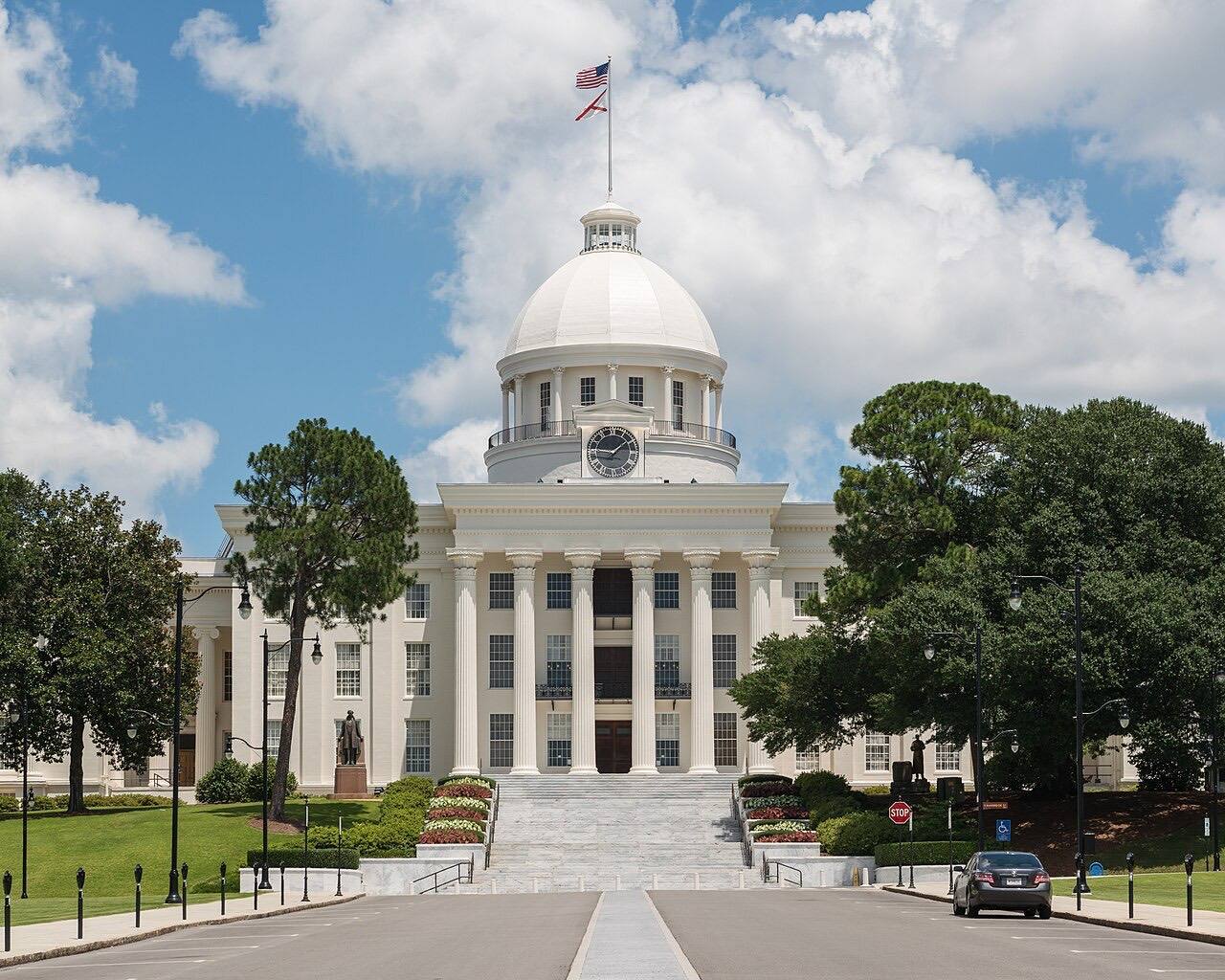
The Oversight Circus
The oversight hearing held last week in Congress was anything but a straightforward inquiry. Instead, it morphed into a spectacle of partisan theatrics, where certainty is sold as the ultimate commodity. For many, the hearing was less about accountability and more about performance, with both sides eager to demonstrate their unwavering commitment to their respective causes.
On one side, the left has taken the opportunity to wield the hearing as a hammer, aiming to drive home narratives of corporate greed and government negligence. The rhetoric was stark and unyielding, painting a picture of a system rigged against the common man. Witnesses called to testify were often met with leading questions, crafted to elicit responses that would reinforce a predetermined narrative. This tactic, while effective for rallying the base, raises questions about the integrity of the oversight process itself.
Conversely, the right has responded with its own brand of certitude, claiming to expose the supposed failures of government oversight and to defend the sanctity of individual freedoms against overreach. Their approach, while often couched in a language of accountability, occasionally strayed into the territory of conspiracy, with accusations flying that seemed more rooted in ideology than in fact. For them, the hearing was a chance to showcase their resolve and to position themselves as the guardians of liberty.
“Certainty is the currency of our time, and both sides are cashing in.”
In this climate, the concept of nuance has all but vanished. Both sides have become entrenched in their positions, unwilling to acknowledge any complexities that lie beyond their narratives. This binary view of governance is not only damaging but also detrimental to the very fabric of democratic discourse. When certainty reigns supreme, dialogue is stifled, and real accountability becomes an afterthought.
Why Certainty Sells
So why is certainty selling so briskly in today's political climate? The answer lies in the emotional resonance of absolute belief. In an era rife with uncertainty - economic instability, shifting global dynamics, and social upheaval - people are drawn to those who present clear-cut answers. Certainty offers a sense of security that many find appealing, even if it comes at the expense of reasoned debate.

This phenomenon is exacerbated by the media landscape, where sound bites and viral moments often overshadow substantive discussions. The spectacle of the oversight hearing was amplified by coverage that prioritized conflict over collaborative solutions. Headlines blared with sensationalism, reinforcing the very divisions that the hearing sought to address.
Moreover, this fixation on certainty is not limited to the political arena; it seeps into everyday conversations among citizens. The tendency to hold fast to absolutes can be observed in social gatherings, online forums, and even family dinners, where differing opinions are often met with hostility rather than understanding. As a result, the potential for constructive dialogue diminishes, leaving many feeling alienated and frustrated.
Finding Common Ground
To counteract this trend, it is essential for both political leaders and citizens to embrace complexity and seek common ground. Oversight is not merely about assigning blame or championing a cause; it is about understanding the multifaceted nature of governance and the shared responsibilities that come with it. Acknowledging that no single side holds all the answers is crucial for fostering a healthier political discourse.
Furthermore, we must demand more from our representatives. Oversight hearings should not devolve into partisan shows; they should be opportunities for genuine inquiry and constructive dialogue. Elected officials must remember that their role extends beyond scoring political points; they are tasked with serving the public interest, which often requires a willingness to listen and compromise.
As we move forward, it is vital for citizens to engage critically with the narratives presented by both sides. Instead of succumbing to the allure of certainty, we must strive for a deeper understanding of the issues at hand. Only then can we hope to restore integrity to the oversight process and foster a political environment that values dialogue over division.
✦ ✦ ✦