From the file. Written for the paper dated March 2015. Opened in the public stacks July 14, 2026.
In the rapidly evolving field of materials science, certainty has become a hot commodity, with researchers and industries alike clamoring for definitive answers to complex problems. But as the stakes rise, so does the danger of oversimplification and the allure of tribalism.

The Quest for Certainty
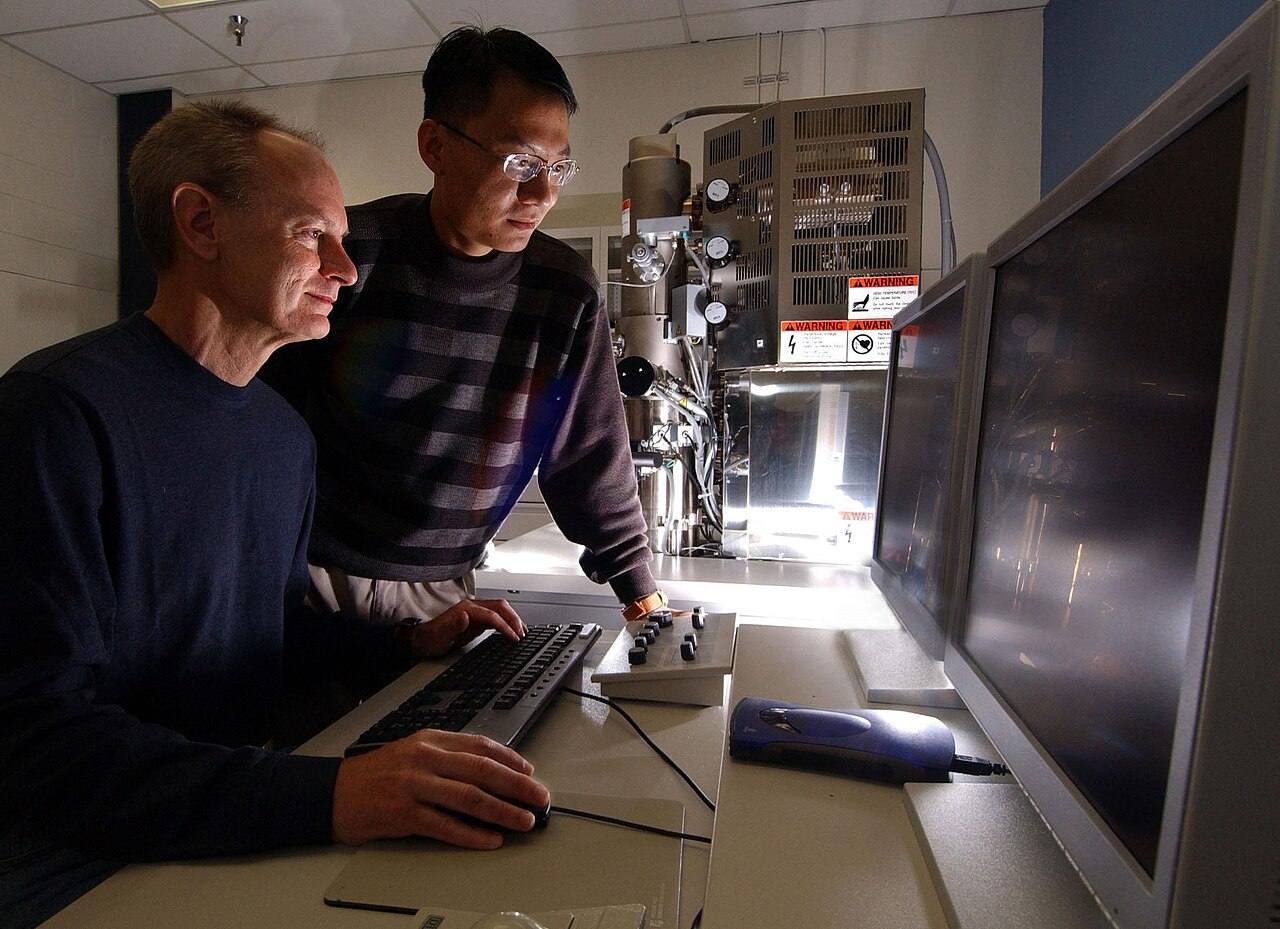
In recent years, the materials science community has witnessed a surge in demand for reliable, testable results. Researchers are under pressure to produce findings that can be quickly translated into real-world applications, from renewable energy solutions to advanced medical technologies. This environment fosters a mindset where certainty is not just preferred, but often essential.

However, this desire for certainty can lead to a narrow focus, encouraging some scientists to prioritize expediency over comprehensive understanding. The temptation to present findings as solid and unequivocal can overshadow the inherent uncertainties that are characteristic of scientific inquiry. As the race to publish groundbreaking research heats up, the potential for misinterpretation and overstatement grows.
The Left’s Overreach
On the left, there are calls for a more open and democratic approach to science, emphasizing the importance of community input and ethical considerations in research. While these ideals are commendable, they can sometimes devolve into a form of anti-intellectualism that dismisses rigorous scientific inquiry in favor of consensus. The insistence that all voices must be heard - even those lacking scientific basis - can dilute the quality of research and hinder meaningful progress.
"In the quest for certainty, we must not forget the complexities that lie beneath the surface."
The Right’s Simplistic Solutions
Conversely, the right often champions a more traditional view of science, emphasizing the importance of individual merit and the belief in free-market solutions to scientific problems. While this approach can lead to significant advancements, it also risks oversimplifying the multifaceted nature of scientific research. The reduction of complex issues to simple slogans can obscure the need for nuanced understanding and careful deliberation.
Both sides are guilty of embracing extremes that ultimately undermine the integrity of scientific discourse. The left’s push for inclusivity and the right’s focus on individualism may sound appealing, but they often ignore the fundamental truths of materials science: that uncertainty is an inherent part of the process and that collaboration, rather than division, is key to innovation.
Finding Balance
To navigate the complexities of materials science effectively, there needs to be a middle ground - a recognition that while certainty is desirable, it should not come at the expense of accuracy or depth. Researchers and policymakers alike should be encouraged to embrace uncertainty as a tool for discovery rather than a barrier to progress.
The Role of the Public
The public also plays a crucial role in this conversation. As citizens become more engaged with science, they should be encouraged to question findings critically but also to appreciate the intricacies involved in the scientific method. A well-informed public can advocate for policies that support rigorous research while also demanding transparency and accountability from scientists and institutions.
In a time when scientific research is often viewed through a political lens, it is vital to keep the dialogue focused on the principles of inquiry, skepticism, and the value of uncertainty. By fostering a culture that respects both the need for certainty and the complexities of materials science, we can advance the field without succumbing to the pitfalls of polarization.
Conclusion
As we move forward in this era of rapid scientific advancement, it is crucial for both the scientific community and society at large to resist the lure of certainty at all costs. Instead, we must embrace the uncertainties inherent in research, recognizing them as opportunities for exploration and understanding. In doing so, we can pave the way for a more robust and responsible approach to materials science, one that values both the quest for knowledge and the realities of the unknown.
✦ ✦ ✦