From the file. Written for the paper dated February 2015. Opened in the public stacks July 14, 2026.
In the current political climate, the tendency for both left and right to engage in selective memory is not only evident but increasingly troubling. As each side battles for the narrative that best serves its interests, the very essence of truth is lost amid the din of partisan rhetoric.

The Echo Chamber Effect
Today’s political discourse often resembles an echo chamber where only the voices that align with one’s beliefs are amplified. For the left, this can mean focusing exclusively on the failures of the current administration while conveniently glossing over the shortcomings of their own party during previous years. The right, in turn, tends to highlight the same failures but downplays or completely ignores the consequences of policies enacted before the current leadership took office.
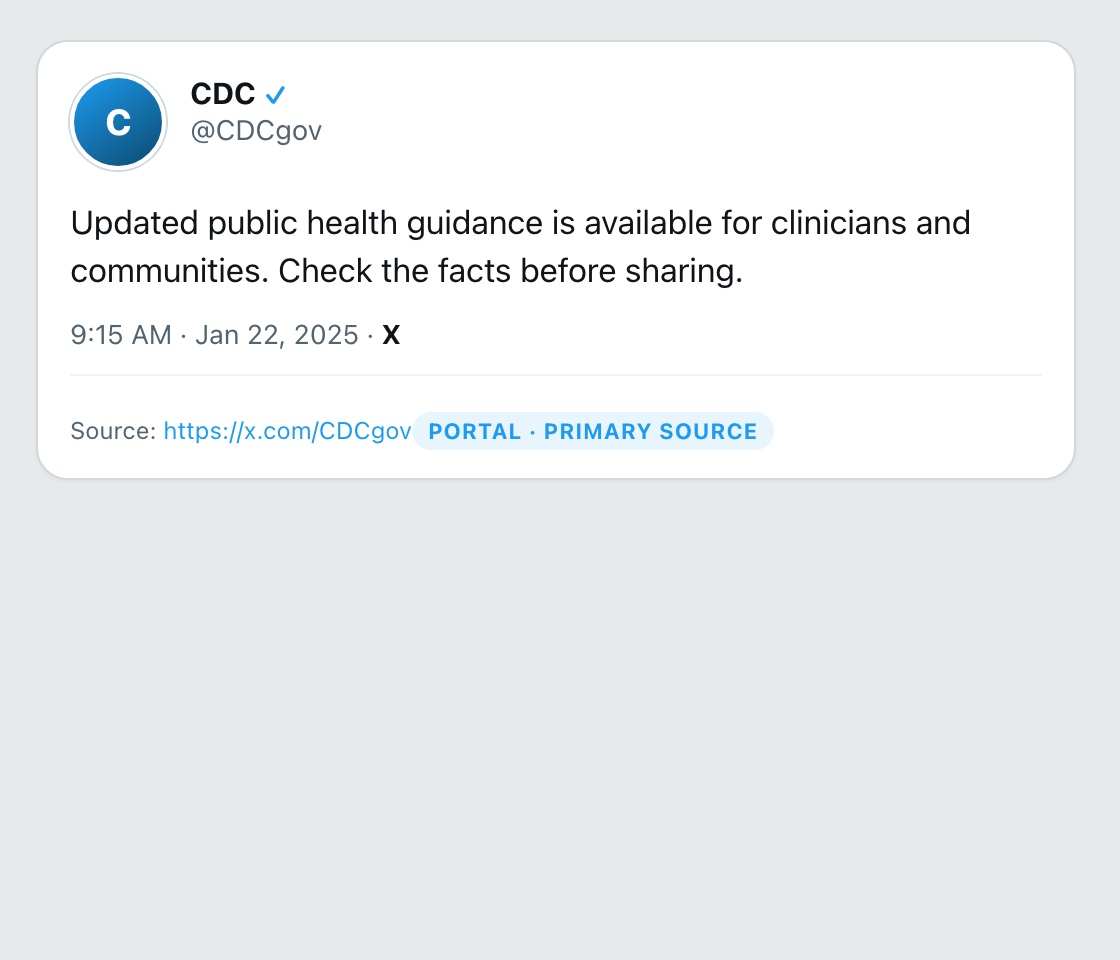
“Selective memory is a bipartisan affliction, but the consequences are felt by all.”
This selective memory is not merely a quirk of political debate; it has real implications for governance and public trust. When both sides refuse to acknowledge their roles in the current state of affairs, they undermine the very foundation of democracy. Citizens deserve a full and honest accounting of events and policies, not a cherry-picked narrative that serves a specific agenda.

Historical Amnesia
Both major parties have displayed a troubling trend of historical amnesia. Take the Affordable Care Act, for instance. While Democrats tout it as a monumental achievement, they often overlook the complexities and challenges that remain, especially regarding implementation and public reception. Conversely, Republicans have made it their mission to dismantle the Act, often ignoring the fact that healthcare reform has been a subject of debate long before President Obama took office.
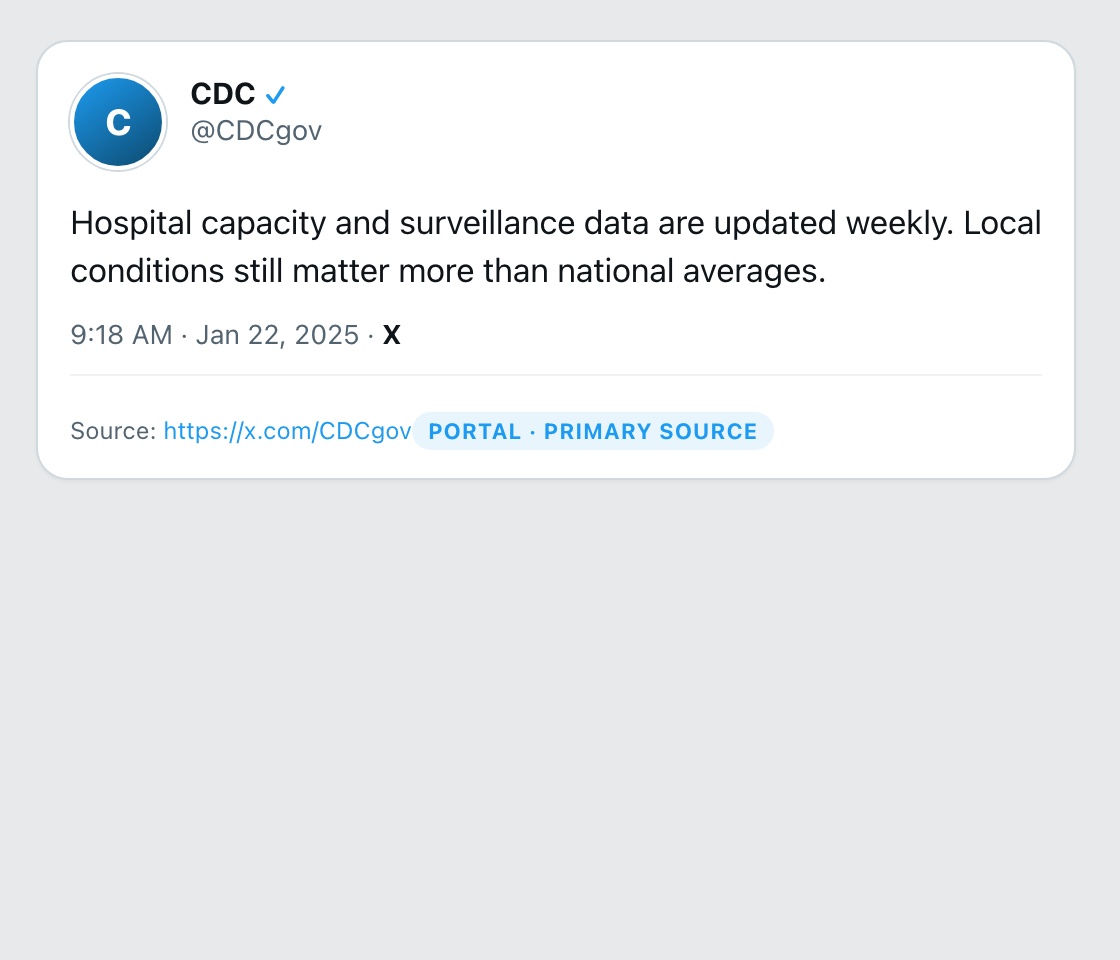
Moreover, the rhetoric surrounding immigration reform is a prime example of this selective memory. Conservatives often invoke images of chaos at the border, neglecting the fact that the issue has been decades in the making, with roots in policies and economic factors that have been ignored by both sides. Liberals, on the other hand, tend to focus solely on humanitarian aspects, sometimes to the detriment of addressing valid security concerns.
The Role of Media
The media landscape has also evolved to accommodate this selective memory. Partisan news outlets thrive on sensationalism, often distorting facts to fit narratives that cater to their audiences. This creates a vicious cycle where misinformation breeds more misinformation, further entrenching the divide between left and right. The responsibility lies not just with politicians but also with the media to provide a fair and balanced view of events.
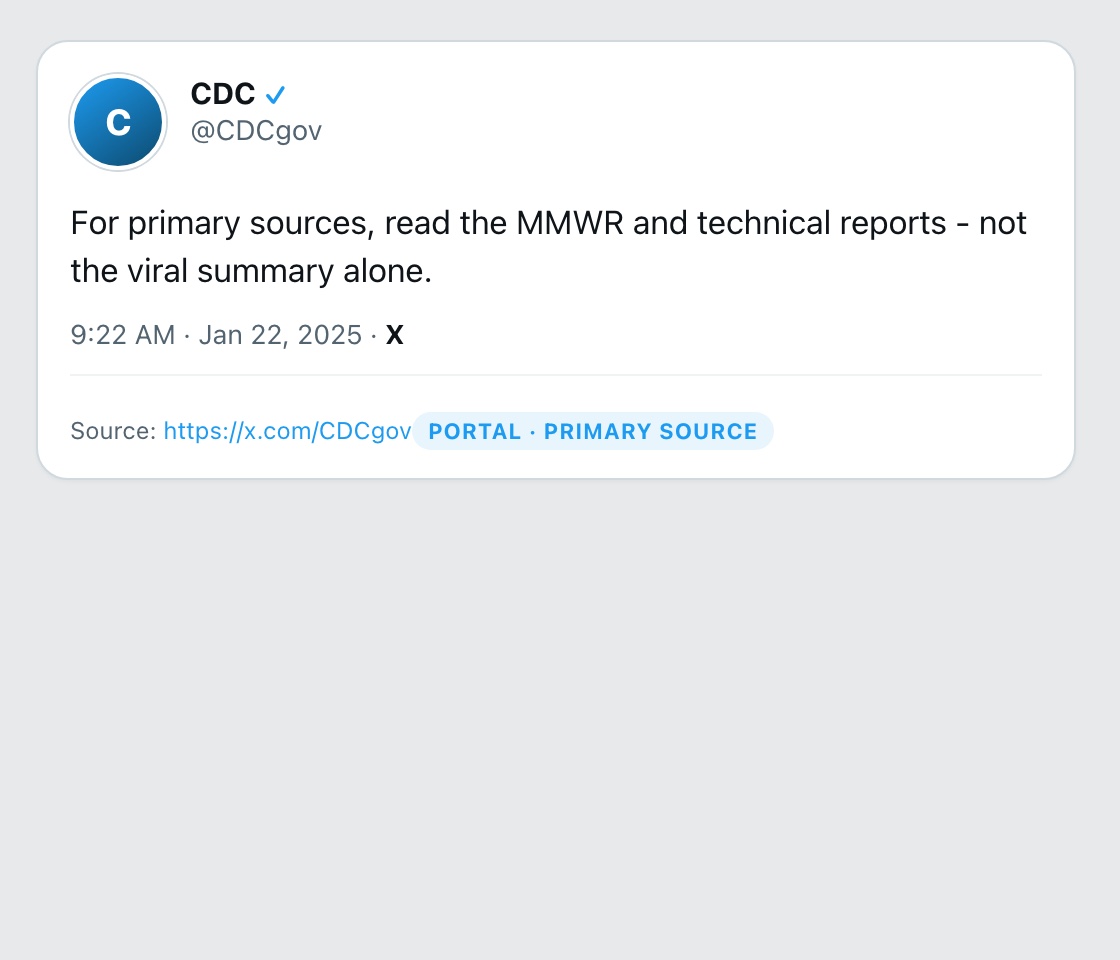
As a result, many citizens find themselves caught in a web of misinformation, unsure of what to believe. This confusion can lead to apathy and disengagement from the political process, which is the last thing a healthy democracy needs. Instead of fostering informed debate, the media often fuels the flames of division by prioritizing ratings over truth.
Bridging the Divide
To move forward, both sides must engage in a collective effort to confront this habit of selective memory. Acknowledging past mistakes and failures is essential for growth and progress. Building a culture of accountability can help restore faith in political institutions and encourage more productive dialogue.
“True progress requires an honest assessment of our past.”
Citizens, too, have a role to play. Engaging with a wider array of perspectives can help break down the echo chamber effect. By seeking out information from multiple sources and being willing to question one’s own beliefs, individuals can contribute to a more informed electorate.
Conclusion
The bipartisan habit of selective memory poses a significant challenge to the functioning of our democracy. It is a habit that both the left and right must confront if we are to foster a political environment where truth prevails over narrative. Only then can we hope to address the pressing issues facing our nation with the seriousness they demand. The path forward requires courage, honesty, and a collective commitment to seek out the truth, no matter how uncomfortable it may be.
✦ ✦ ✦