From the file. Written for the paper dated February 2015. Opened in the public stacks July 14, 2026.
In an era defined by political polarization, outrage has become a product - one that is consumed eagerly by both sides of the aisle, often without regard for the facts. As we move deeper into 2015, it’s clear that selective memory is not just a tactic; it’s a bipartisan habit that undermines our democracy.

The Outrage Economy
The outrage economy thrives on a simplistic narrative that appeals to our emotions rather than our reason. It is an effective tool for both the left and the right, allowing each side to rally their bases while demonizing the other. This cycle is fed by a steady stream of sensationalized news reporting and viral anecdotes that, more often than not, ignore the broader context. The results can be seen in the way discussions about critical issues devolve into shouting matches instead of constructive dialogues.
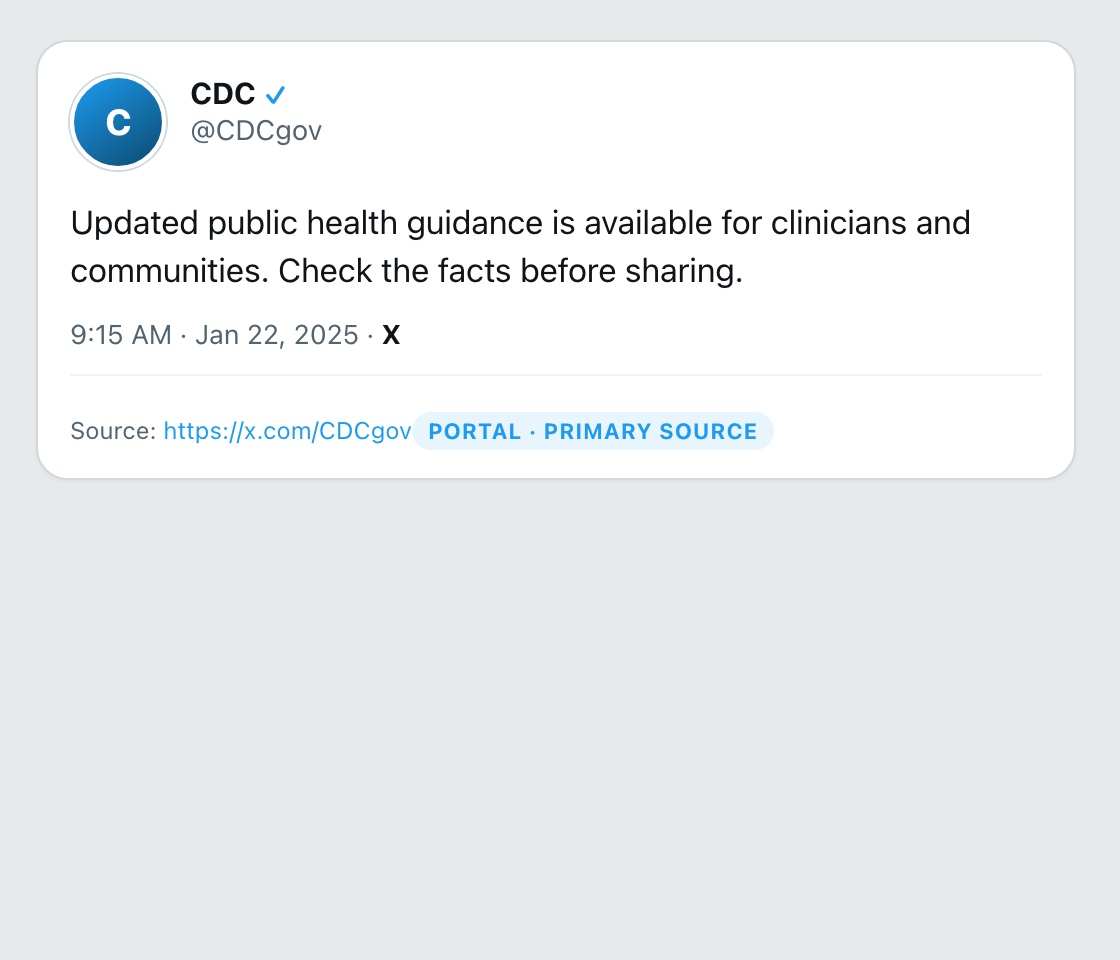
For instance, consider the recent debates around immigration policy. Both sides have their talking points, but the narratives often ignore the complexities of the situation. On the left, there is an almost romanticized view of immigrants as solely victims of a broken system. On the right, the conversation often veers into fear-mongering about crime and economic strain. Both perspectives selectively highlight facts that serve their agendas while conveniently overlooking the nuances that might lead to a more balanced understanding.

Selective Memory and Its Consequences
This selective memory is not limited to immigration. It permeates discussions around healthcare, gun control, and economic policy. The left tends to remember the promises made by the Affordable Care Act, ignoring the flaws and complications that have arisen since its implementation. Meanwhile, the right recalls the failures of government intervention while forgetting the ways in which regulations have benefited public health and safety.
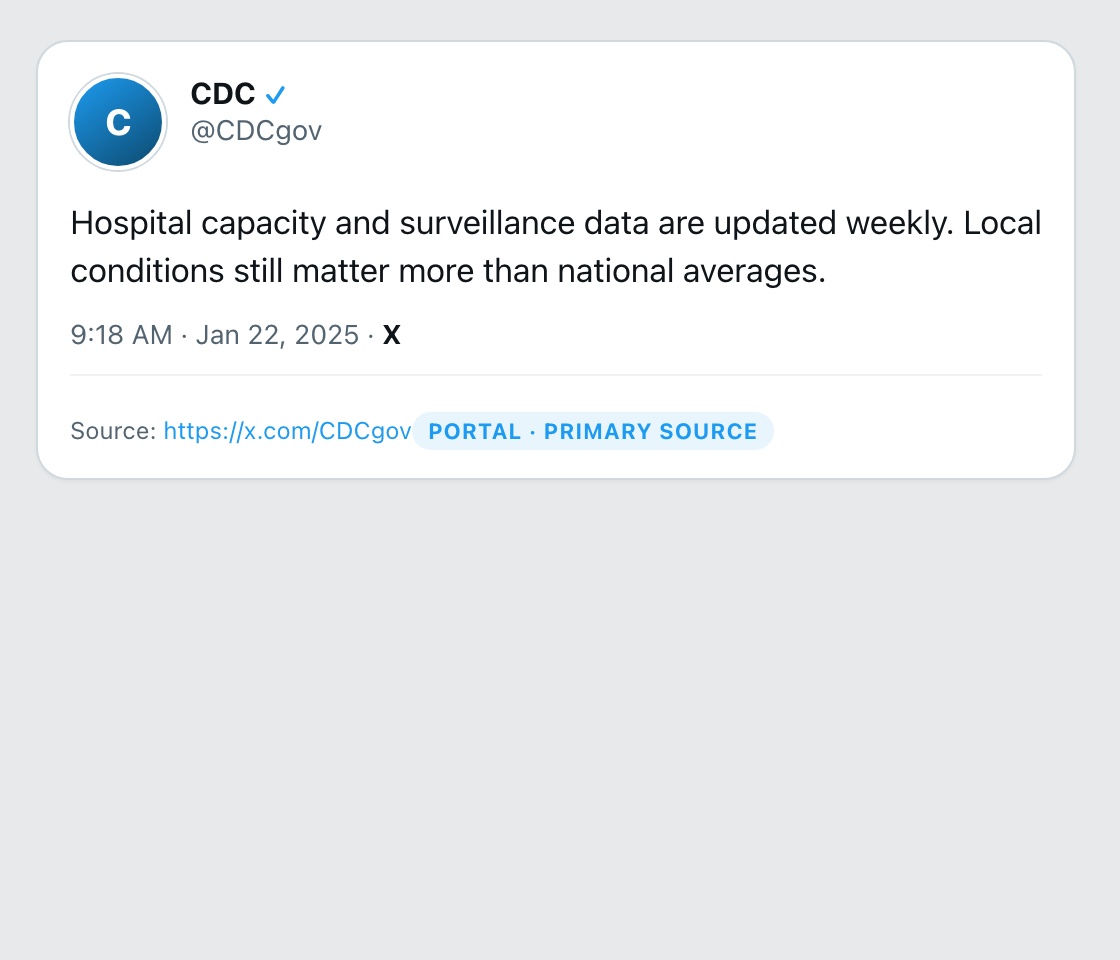
"In the end, it is the American people who suffer from this selective memory." - Anonymous
As both sides cling to their preferred narratives, the truth becomes a casualty of the ongoing battle for public opinion. The result is a citizenry that is ill-informed and often more passionate about winning arguments than understanding the issues at hand.
The Role of Media
Media outlets, in their quest for ratings and clicks, have not only participated in this outrage economy but have also helped to amplify it. Coverage often favors sensational stories that evoke strong emotional reactions rather than nuanced discussions that might promote understanding. This trend further entrenches the divide, as audiences seek out news that aligns with their preconceived notions.
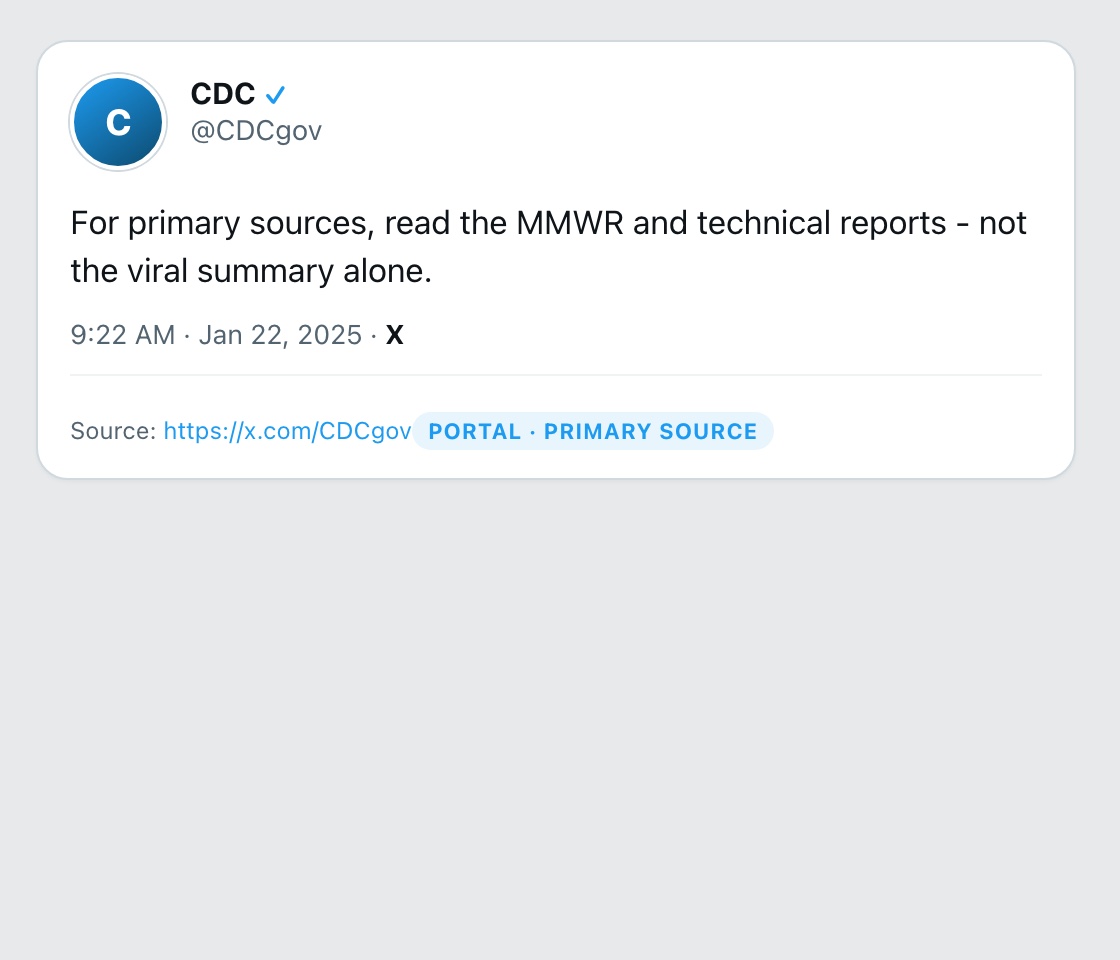
In many ways, the media has become complicit in the manipulation of public sentiment. By focusing on the extreme voices on both sides, they often drown out moderate opinions that could bridge the divide. It is not uncommon for viewers to come away from a news segment feeling more polarized than informed.
A Call for Reflection
As we navigate this landscape of outrage, it is crucial for both individuals and institutions to engage in self-reflection. The desire for outrage may serve immediate emotional needs, but it ultimately stifles progress. Seeking out diverse perspectives and acknowledging the validity of opposing views is essential for fostering a healthier political discourse.
We must challenge ourselves to rise above the outrage. We should demand better from our leaders and media, insisting that they provide us with comprehensive narratives instead of convenient sound bites. Our democracy relies on informed citizens who are capable of engaging in thoughtful discussion - something that outrage as a product will never facilitate.
In this moment of intense partisanship, it is crucial that we recognize the dangers of selective memory and the outrage economy. If we are to move forward as a nation, we must collectively reject the allure of outrage and strive for a more informed and empathetic political discourse.
✦ ✦ ✦