From the file. Written for the paper dated January 2015. Opened in the public stacks July 14, 2026.
In our current political climate, certainty has become a commodity, wielded like a weapon by both the left and the right. This obsession with unwavering conviction has led to a quiet failure of oversight, allowing dogma to overshadow reasoned discourse.

The Cost of Certainty
Certainty, as it stands, has become an expectation rather than a reality. Politicians and their followers on both sides of the aisle cling to their respective narratives, as if wearing team jerseys that allow them to reject any viewpoint that deviates from their own. This binary thinking has turned complex issues into black-and-white debates where nuance is often lost. The cost of such certainty is steep: it stifles dialogue, breeds intolerance, and ultimately undermines the democratic process.
On the left, there is an increasing tendency to adopt an absolutist stance on social justice issues. While advocating for equality and inclusivity is laudable, there is a troubling trend where any dissent is quickly labeled as bigotry or ignorance. This division not only alienates moderate voices but also risks oversimplifying multifaceted issues. The idea that one can be wholly right in a complex world is not only naïve but dangerous.
Conversely, the right has become equally entrenched in its own certainties, often invoking a sense of nostalgia for an America that many believe is slipping away. This longing for a simpler time can lead to a rejection of progressive ideas that challenge traditional norms. The rhetoric surrounding issues like immigration and healthcare has become incendiary, with facts often overshadowed by fear-mongering. In this environment, constructive criticism is frequently dismissed as unpatriotic.
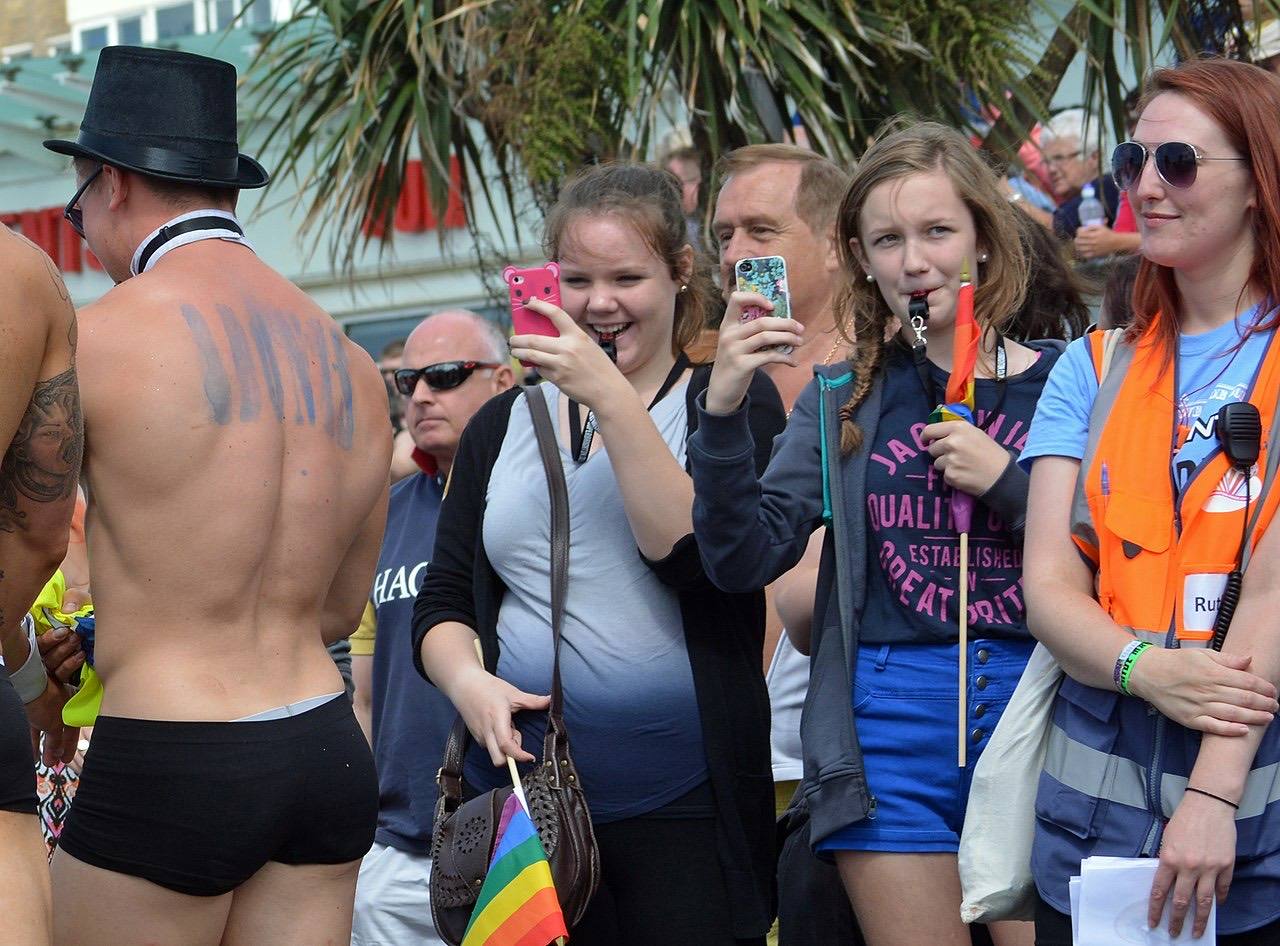
The obsession with certainty stifles dialogue and breeds intolerance.
Both extremes demonstrate a profound failure to engage with the complexity of modern governance. The refusal to consider opposing viewpoints not only marginalizes millions of Americans but also leads to policy choices that are based on ideology rather than evidence. The result is a political landscape where the loudest voices drown out the reasoned ones.
What is needed now more than ever is a culture of inquiry that values deliberation over dogmatism. This means embracing uncertainty and recognizing that not all questions have clear answers. For instance, issues such as climate change require a nuanced understanding and a willingness to adjust strategies as new information becomes available. Rigid adherence to a single narrative can lead to stagnation, preventing us from arriving at effective solutions.
Moreover, the blind spots created by this certainty affect not only the political realm but also our communities. Conversations that once fostered understanding have been replaced by echo chambers, where individuals only interact with those who share their beliefs. This insularity is detrimental; it perpetuates ignorance and fosters division.
The media landscape has also played a role in perpetuating this culture of certainty. Sensationalism often trumps substance, with outlets catering to specific ideological bases rather than providing balanced reporting. This has led to a public that is increasingly misinformed, as headlines become more about outrage than understanding. When the news becomes a battleground for competing certainties, the truth becomes a casualty.
To break this cycle, we must redefine our expectations of leadership and public discourse. Leaders should be encouraged to express uncertainty and to engage in dialogue that seeks common ground. This can be achieved by amplifying moderate voices and fostering environments where difficult conversations can take place without the fear of retribution.
As citizens, we must also take responsibility for our own engagement. This means seeking out diverse perspectives, reading broadly, and approaching discussions with an open mind. The willingness to question our own beliefs is essential in a democracy that thrives on difference. Only then can we hope to bridge the divide that has been so meticulously constructed over the years.
In a world that often feels polarized, it is essential to remember that progress is rarely linear, and certainty is often an illusion. It is through grappling with uncertainty that we can forge paths toward understanding and ultimately, solutions. The quiet failure of oversight we see today is not merely a political issue; it is a societal one that demands our immediate attention.
Moving Forward
In conclusion, the cost of certainty is not just theoretical; it manifests in our everyday lives and shapes the future of our nation. As we navigate this complex landscape, let us strive for a more thoughtful discourse that values nuance and encourages collaboration. Only then can we hope to heal the divides that have been drawn and work towards a more inclusive, understanding society.
✦ ✦ ✦