From the file. Written for the paper dated December 2014. Opened in the public stacks July 14, 2026.
As headlines about global shipping and trade dominate the news cycle, the complexities of shipping lanes often fall by the wayside, overshadowed by political rhetoric and sensationalized stories.
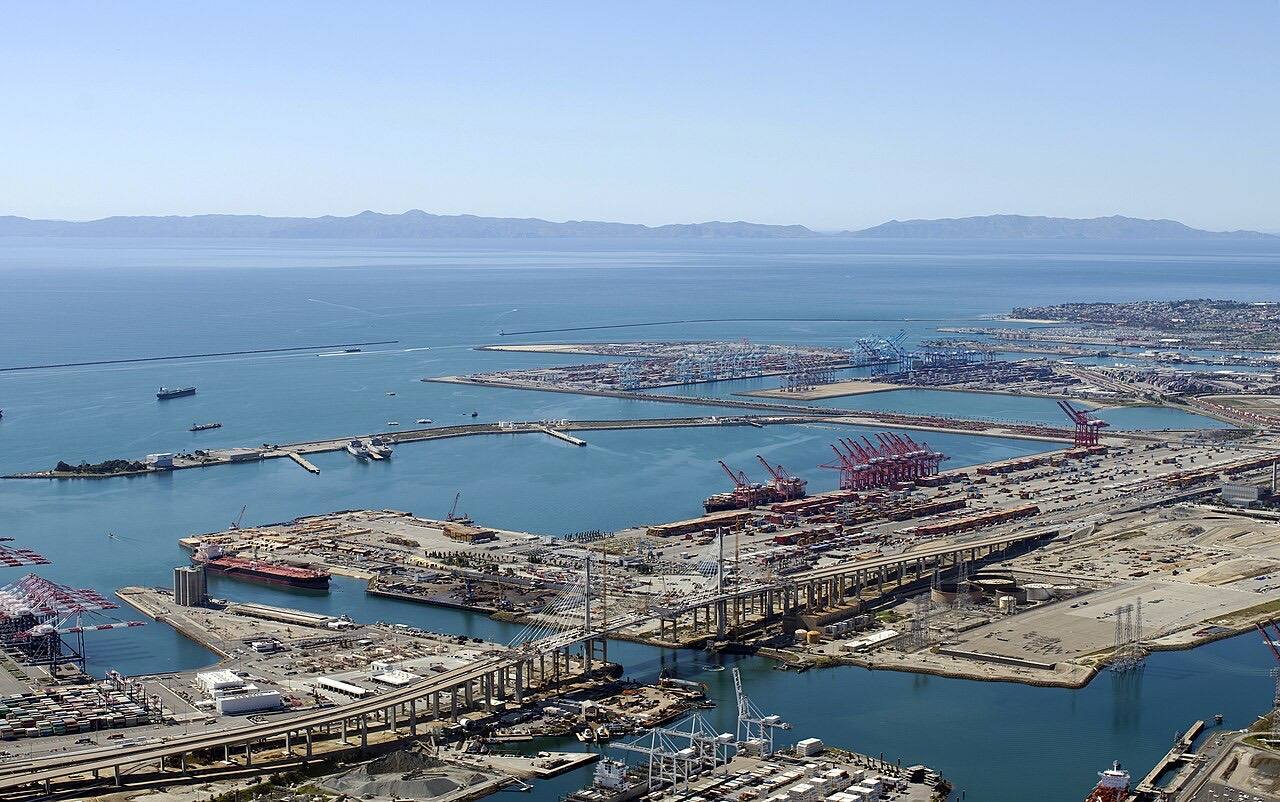
Understanding the Backbone of Trade
The shipping industry is the lifeblood of global commerce, facilitating the movement of goods that fuel economies worldwide. Yet, when discussions around trade agreements and tariffs erupt, the intricate network of shipping lanes tends to be overlooked. These lanes are not merely routes on a map; they are carefully charted paths that reflect geopolitical tensions, economic strategies, and environmental concerns.
The Impact of Geopolitical Conflicts
Recent conflicts in regions like the South China Sea have raised alarms about the security of maritime routes. Despite this, political discussions often gloss over how these tensions affect shipping lanes. The media frequently reports on military posturing and diplomatic negotiations, but the potential consequences for global trade - such as increased shipping costs or delays - are seldom addressed in depth.

"The health of our shipping lanes is as critical as legislative debates on trade policy."
Moreover, the ramifications of piracy off the coast of Somalia, for example, are rarely explored beyond sensational stories of hijacked vessels. Understanding how such threats could alter shipping routes or increase insurance costs for shipping companies is vital for grasping the broader implications for international trade.
The Economics of Shipping
On the economic front, the rise of mega-ships has transformed the shipping landscape. These vessels can carry thousands of containers at once, leading to economies of scale that benefit some companies but disadvantage smaller players. As corporations invest heavily in these fleets, smaller shipping companies are often squeezed out, which can lead to less competition and higher prices for consumers.
Yet, discussions about the economic implications of these changes tend to focus on stock prices and corporate profits rather than the long-term health of the shipping industry or the impact on workers. The labor force within shipping - dockworkers, crews, and logistics personnel - faces increasing pressures as automation and consolidation reshape their jobs, yet this aspect remains largely unexamined in mainstream narratives.
Environmental Concerns
The environmental impact of shipping is another area that receives scant attention in briefings and reports. The shipping industry is a significant contributor to global greenhouse gas emissions, yet regulations on emissions are often weak or poorly enforced. The International Maritime Organization has set ambitious targets for reducing emissions, but critics argue that progress has been slow and insufficient.
As climate change becomes an increasingly pressing issue, the shipping industry must grapple with its environmental footprint. However, the conversation often gets overshadowed by political debates about climate policy, leaving the industry itself to fend for changes without the necessary support or direction.
The Role of Technology
Technology is reshaping shipping lanes in ways that rarely make the headlines. From advanced navigation systems to automated ports, technology promises efficiency but also raises questions about job security and cybersecurity risks. The automation of ports may streamline operations, but it could also lead to significant job losses, an aspect that is often sanitized in discussions about technological progress.
Furthermore, the reliance on technology makes shipping vulnerable to cyberattacks, a consideration that is often neglected. As shipping becomes more interconnected, the potential for disruptions from cyber threats increases, yet the focus remains largely on physical security rather than the cybersecurity measures that need to be in place.
A Call for Holistic Reporting
As we survey the landscape of global shipping, it becomes clear that a holistic understanding is essential. The conversations that dominate public discourse need to incorporate a wider range of factors affecting shipping lanes. It is not enough to simply discuss tariffs and trade policies; we must also consider the geopolitical, economic, environmental, and technological dimensions that shape the shipping industry.
In an era where information is abundant yet often shallow, the challenge remains to dig deeper and provide nuanced reporting that reflects the complexities of global commerce. As the headlines fade, the realities of shipping lanes will continue to affect our daily lives, and it is critical that we do not lose sight of their importance.
✦ ✦ ✦