From the file. Written for the paper dated November 2014. Opened in the public stacks July 14, 2026.
As the U.S. grapples with an ongoing trade deficit, voices from both sides of the political spectrum are quick to assign blame. But what do the numbers actually reveal about the complexities of trade and its impact on the economy?

The Trade Deficit: A Double-Edged Sword
In recent months, the U.S. trade deficit has drawn considerable attention, with critics on both the left and right clamoring for reform. The left often argues that the deficit is a symptom of corporate greed and trade policies that favor the wealthy, while the right typically blames excessive regulation and government intervention. However, a closer look at the numbers reveals a more nuanced picture.
The trade deficit, currently hovering around $40 billion a month, signifies that the U.S. imports more goods and services than it exports. While this figure raises alarms, it's essential to understand the context surrounding it. For instance, a deficit can also indicate a robust consumer economy, where demand for goods, both domestic and foreign, is high.
"The trade deficit is not solely a negative indicator; it can also reflect a strong economy that is willing to spend."
Understanding the Components
To grasp the implications of the trade deficit, one must differentiate between goods and services. The U.S. has a significant deficit in goods, with imports from countries like China driving the numbers up. Yet, when it comes to services, the U.S. boasts a surplus, exporting more services than it imports. This imbalance points to the reality that not all sectors of the economy are performing equally, and highlighting this complexity can help to refine the discussion surrounding trade policy.
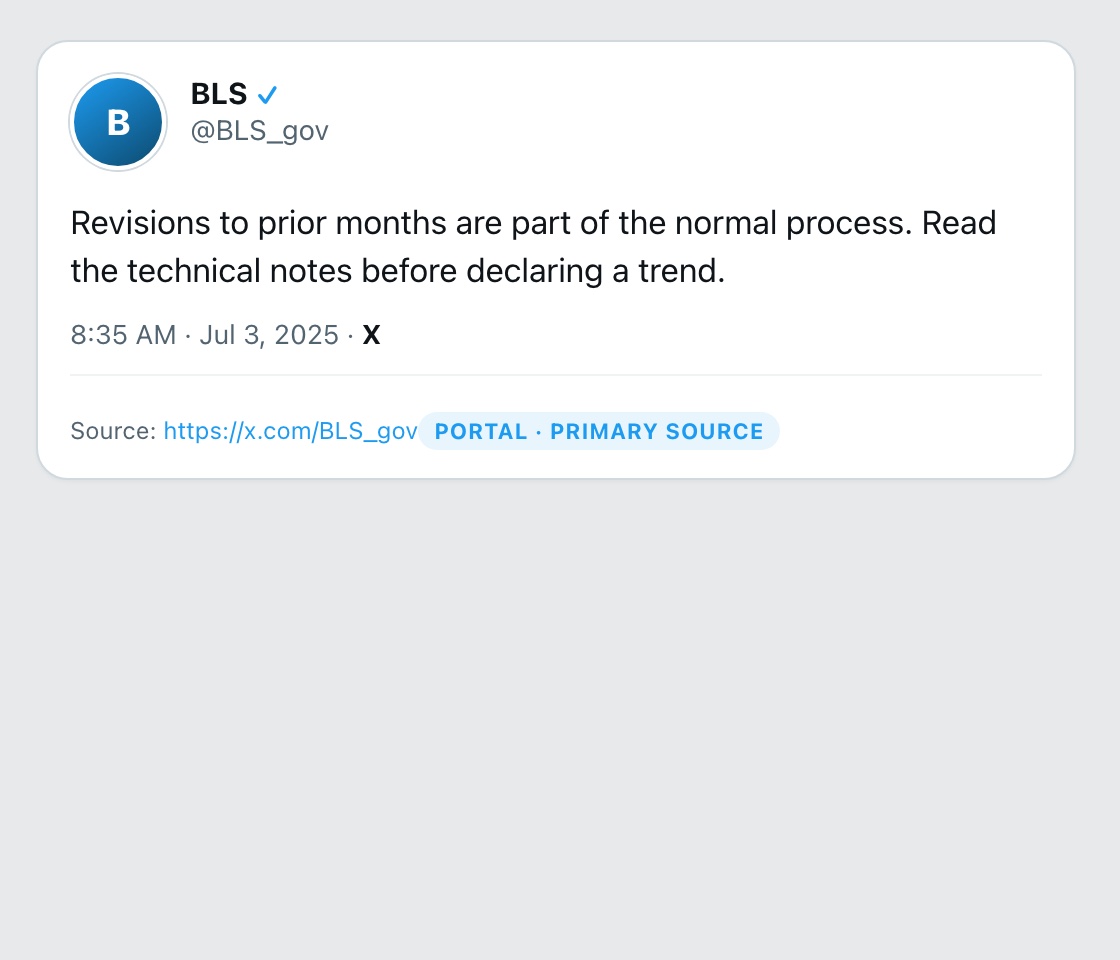
Moreover, many Americans may not realize that the trade deficit is often tied to foreign investment in the U.S. economy. Countries with large trade surpluses, like China, invest their earnings back into U.S. assets, effectively stimulating local markets. This influx of foreign capital can help maintain lower interest rates and drive economic growth. Critics from both sides may overlook this critical aspect in their rush to simplify the narrative into a binary argument of 'good' versus 'bad.'
The Political Landscape
The ongoing debate surrounding the trade deficit has become increasingly polarized. Democrats often champion trade agreements aimed at fostering fair competition and labor rights, while Republicans tend to advocate for protectionist measures that prioritize American workers. Yet, both sides risk oversimplifying a complex issue that requires a more informed approach.
For instance, recent discussions about the Trans-Pacific Partnership (TPP) illustrate the chasm between these two factions. Proponents from the left argue that the TPP could undermine labor rights and environmental protections, while critics on the right deem it as another step toward globalization that threatens American jobs. However, such arguments often neglect the potential benefits of expanded trade, including job creation in export sectors and increased consumer choice.
"Both sides of the aisle need to move beyond rhetoric and engage in a serious discussion about the future of American trade."
Looking Ahead: A Collaborative Approach
As the U.S. navigates its trade relations, a collaborative approach is essential. Rather than casting blame, lawmakers should focus on policies that enhance competitiveness while protecting workers and the environment. This includes investing in education and training programs to equip the American workforce for high-demand industries, as well as ensuring that trade agreements uphold labor rights and environmental standards.
Moreover, fostering a culture of innovation and entrepreneurship can bolster U.S. exports, helping to mitigate the trade deficit. By nurturing domestic industries and supporting small businesses, there exists a path forward that does not rely solely on protectionist measures, which could ultimately stifle economic growth.
Conclusion
In conclusion, the U.S. trade deficit is a complex issue that warrants a thorough examination beyond partisan rhetoric. Both sides would do well to recognize the multifaceted nature of trade and its implications for the economy. By moving past the extremes of blame and embracing a collaborative approach, policymakers can pave the way for a more prosperous future.
✦ ✦ ✦