From the file. Written for the paper dated November 2014. Opened in the public stacks July 14, 2026.
As the election season approaches, a critical examination of the primary calendar reveals underlying trends that could shape the political landscape for both parties. While the left and right may fixate on their respective narratives, a deeper look at the numbers tells a more nuanced story.

The Primary Calendar: A Key to Understanding Voter Sentiment
The primary calendar is not merely a series of dates on a calendar; it is a reflection of party strategy, voter engagement, and grassroots enthusiasm. For Democrats, the calendar has traditionally favored states with larger urban populations, which tend to lean left. Conversely, Republicans have often dominated in states more representative of rural America. However, the dynamics this year are shifting, with both parties facing unique challenges and opportunities.

As of November 2014, the Democratic Party is gearing up for a primary calendar that includes early voting in states like Iowa and New Hampshire. These states have historically been pivotal in shaping candidate viability. Yet, the question remains: do they accurately represent the Democratic electorate or merely the loudest voices within it?
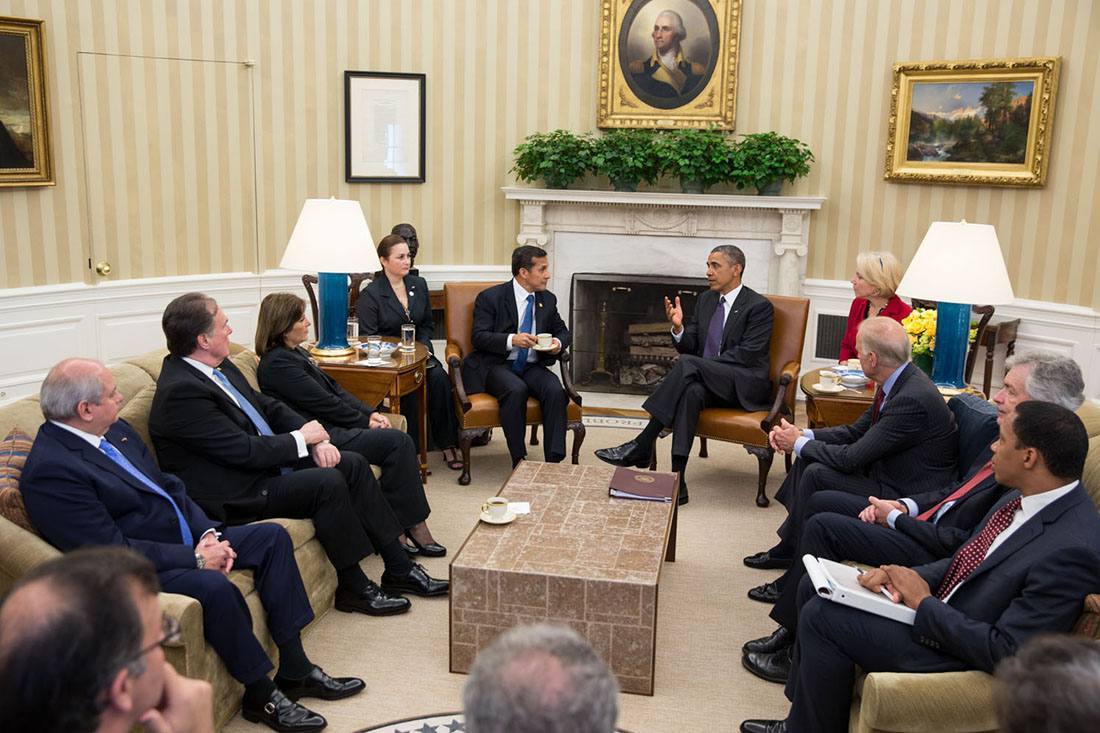
"The primary calendar is a reflection of party strategy, voter engagement, and grassroots enthusiasm."
On the Republican side, the calendar is equally consequential. With states like South Carolina and Florida moving up in the schedule, the stakes are high. Candidates must appeal to a diverse electorate that ranges from moderate suburban voters to staunch conservatives. The challenge lies in balancing these differing priorities while also maintaining party unity. As we saw in the previous election cycle, divisive primary battles can lead to a fractured base going into the general election.

Interpreting the Numbers: What They Really Mean
When analyzing the numbers from previous primaries, a couple of key points stand out. First, turnout rates tend to fluctuate significantly between state primaries. For instance, while Iowa has historically had a high turnout for Democrats, its Republican counterpart has seen less enthusiasm in past cycles. This disparity raises questions about which candidates are truly resonating with the electorate.
Moreover, fundraising numbers can often skew perceptions of viability. A candidate may have a substantial war chest, but that does not guarantee voter support. The disconnect between financial backing and grassroots enthusiasm highlights a critical flaw in how both parties gauge candidate effectiveness. It is not uncommon to see candidates with robust fundraising lagging behind those with strong field operations and volunteer networks.

Excesses of the Left and Right
As we navigate these waters, it is essential to critique the excesses of both sides. The left often champions a narrative that emphasizes diversity and inclusivity, yet the primary calendar does not always reflect this ideal. The dominance of early states can skew the focus toward a more homogeneous voter base, sidelining voices from urban areas and communities of color in favor of more traditional Democratic strongholds.
On the other hand, the right's approach can sometimes veer into populism, where the loudest voices drown out reasoned debate. The fervor seen in rallies often overshadows the need for substantive policy discussions. Candidates may cater to the base's anger, but this can lead to an echo chamber that ultimately alienates moderate voters who are crucial in a general election.
Both extremes risk creating a political climate where compromise is viewed as weakness. Voters are left yearning for candidates who can bridge the divide rather than exacerbate it. Understanding the primary calendar dynamics is essential not just for party strategists but for voters seeking representation that truly reflects their values.
The Road Ahead: A Call for Reflection
As we look toward the upcoming primaries, it is vital for both parties to reflect on their strategies and the implications of the primary calendar. The numbers tell a story, but it is one that requires careful interpretation. Candidates must prioritize voter engagement over fundraising metrics, and party leaders should consider how the primary structure can be reformed to better reflect the diversity of their constituents.
The primary calendar is a powerful tool, but it can also be a double-edged sword. It can either elevate candidates who resonate with the broader electorate or entrap them in a cycle of appeasing the loudest factions within their parties. Ultimately, the responsibility lies with the candidates and party leaders to ensure that the primary process serves the interests of all voters, not just a select few.
✦ ✦ ✦