From the file. Written for the paper dated November 2014. Opened in the public stacks July 14, 2026.
In today's America, the concept of pharmacy deserts is increasingly coming to light, drawing attention to the troubling reality that many communities lack access to essential medications and health services. As the debate continues, it is crucial to examine the numbers behind pharmacy deserts and what they reveal about our healthcare landscape.

Defining Pharmacy Deserts
Pharmacy deserts are areas where residents have limited or no access to pharmacies, particularly in low-income neighborhoods. These areas may be characterized by a lack of nearby pharmacies or, when pharmacies do exist, a significant gap in the range of services and medications offered. The implications of such deserts are profound, as they can lead to poor health outcomes for residents who may struggle to access necessary medications.
The Numbers Behind the Deserts
According to various studies, pharmacy deserts are more prevalent in urban areas, where socioeconomic factors play a critical role. In some regions, data indicates that low-income neighborhoods have 30 percent fewer pharmacies than their wealthier counterparts. This disparity raises questions about equity in healthcare access and the responsibility of both public and private sectors to address these gaps.
"The existence of pharmacy deserts underscores the growing need for comprehensive healthcare reforms that prioritize accessibility for all."
Left and Right Perspectives
The issue of pharmacy deserts has sparked a polarized discourse among political factions. On the left, advocates argue that government intervention is essential to rectify these inequities. They call for increased funding for community health centers and initiatives aimed at incentivizing pharmacies to operate in underserved areas. Proponents of this approach emphasize that healthcare is a right, and access to medications should not be determined by one's zip code.
Conversely, voices on the right advocate for private market solutions. They suggest that deregulation and tax incentives for pharmacy chains could encourage businesses to open locations in underserved areas. They argue that the free market should dictate where pharmacies are located, with the belief that competition will ultimately enhance accessibility. However, this perspective often overlooks the complexities of healthcare access and the persistent barriers faced by low-income populations.
The Reality of Access
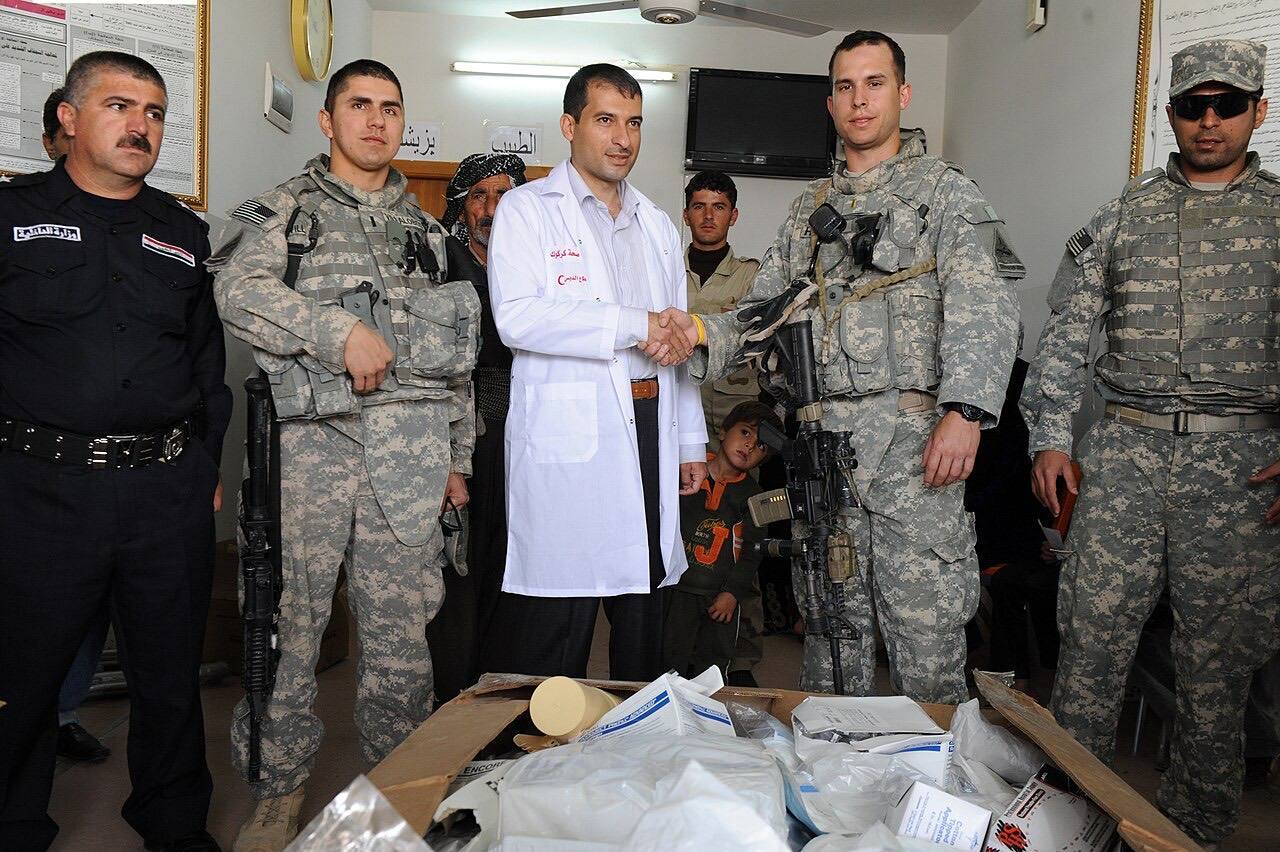
While both sides present compelling arguments, the reality is that pharmacy deserts are a multifaceted problem that cannot be solved through one-size-fits-all solutions. For instance, while increasing the number of pharmacies in low-income neighborhoods may seem like a straightforward remedy, it is crucial to consider the underlying factors that contribute to these deserts, such as transportation barriers, health literacy, and systemic inequalities.
Moreover, the lack of access to pharmacies often intersects with other social determinants of health. Individuals living in pharmacy deserts may also face challenges related to food insecurity, limited access to healthcare providers, and inadequate public transportation. These interconnected issues highlight the need for a holistic approach to health equity that goes beyond simply placing pharmacies in underserved areas.
Community Solutions
In the face of these challenges, many communities are seeking innovative solutions to bridge the gap in pharmacy access. Some local initiatives have focused on mobile pharmacies that travel to underserved neighborhoods, providing medications and healthcare services directly to residents. These mobile units have shown promise in improving access and fostering health education in areas where traditional pharmacies may be lacking.
Additionally, partnerships between local governments, non-profits, and pharmacy chains could pave the way for more inclusive healthcare access. Collaborative efforts that prioritize community needs and involve residents in decision-making processes are essential for creating sustainable solutions that address the root causes of pharmacy deserts.
The Path Forward
As the conversation around pharmacy deserts continues to gain traction, it is imperative for policymakers and stakeholders to consider the complexities of healthcare access. While the left and right may differ in their approaches, the ultimate goal should be the same: ensuring that all individuals have access to the medications and services they need to lead healthy lives.
In conclusion, the numbers surrounding pharmacy deserts reveal a stark reality that demands urgent attention. By fostering dialogue across the political spectrum and exploring innovative community-based solutions, we can work towards dismantling the barriers that perpetuate these deserts and move closer to achieving health equity for all.
✦ ✦ ✦