From the file. Written for the paper dated November 2014. Opened in the public stacks July 14, 2026.
In an age dominated by immediate gratification, the age-old virtue of patience seems to be slipping through our fingers. But what do the numbers really tell us about our capacity for patience and its implications on our society?
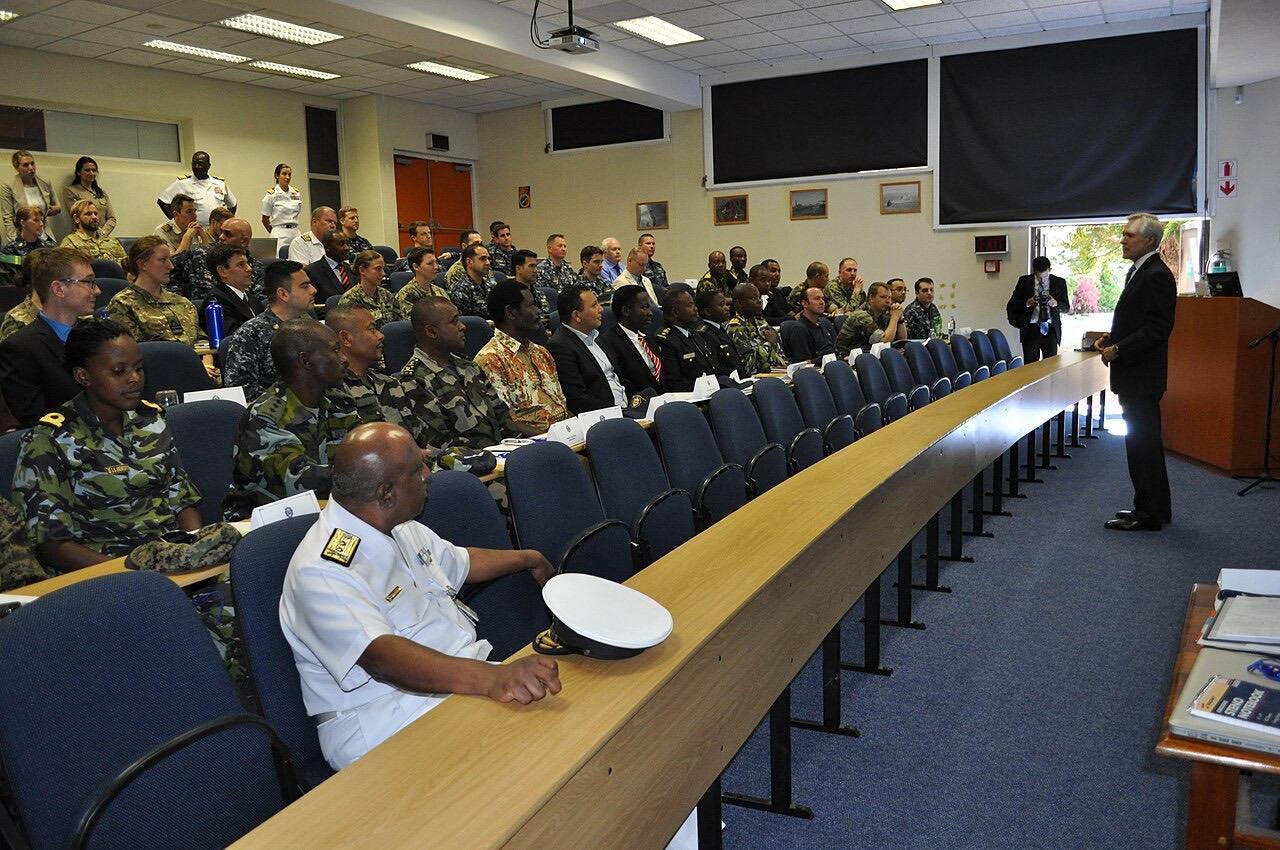
The Decline of Patience in a Fast-Paced World
In a world where the speed of communication and consumption has accelerated beyond comprehension, the virtue of patience finds itself increasingly under siege. The advent of technology has not only transformed how we connect with one another but has also altered our expectations. Are we, as a society, losing our ability to wait for what we want? Is impatience becoming a defining characteristic of our times?
Recent surveys indicate a growing trend of impatience among the American populace. For instance, a study conducted by a major research firm suggests that a significant percentage of individuals now find it intolerable to wait three seconds for a website to load. If this is how we react to minor inconveniences, what does it say about our ability to practice patience in more substantive aspects of life?

Patience and Personal Relationships
Patience is often heralded as a cornerstone of strong relationships. Yet, the cultural shifts we are experiencing seem to undermine this very foundation. With the rise of dating apps and quick-fix relationships, the art of waiting for the right partner is being replaced by a desire for instant connections. This shift raises questions about the depth and durability of relationships formed in such haste.
"Impatience in relationships may lead to superficial connections that lack the depth necessary for long-term commitment."
Moreover, the pressure to respond promptly to messages can create an atmosphere of anxiety in friendships and romantic partnerships. The expectation that we must always be available and responsive erodes the space needed for thoughtful communication. Is the culture of instant replies reinforcing a generation that struggles to engage in meaningful conversations?
The Political Landscape: Impatience on Both Sides
Turning to the political arena, impatience is rampant on both the left and the right. The polarization of opinions has led to an environment where compromise is viewed as weakness, and patience is often seen as a lack of urgency. On the left, there are calls for immediate reforms - be it on climate change, healthcare, or social justice - frequently accompanied by protests demanding swift action. While these issues are undeniably critical, the rush to enact sweeping changes can lead to oversight and unanticipated consequences.

Conversely, the right often expresses impatience with government initiatives, advocating for rapid rollbacks of regulations and policies. This reactionary stance can overlook the potential benefits of thoughtful deliberation and the need for a measured approach to governance. In both instances, the absence of patience can result in hasty decisions that may not serve the long-term interests of the nation.
What the Numbers Actually Show
While impatience may appear to be a growing phenomenon, the numbers also highlight the benefits of patience in various facets of life. Research demonstrates that individuals who practice patience tend to experience greater emotional well-being and satisfaction in their relationships. Furthermore, studies suggest that patience can lead to better decision-making outcomes, particularly in high-stakes situations.
In the realm of education, students who exhibit patience are more likely to succeed academically. They tend to engage more deeply with the material, fostering a love for learning that transcends rote memorization. The numbers indicate that cultivating patience could be a key factor in educational success and personal growth.
Finding Balance in a Fast-Paced World
As we navigate the complexities of modern life, it is essential to recognize the value of patience. The challenge lies not in rejecting the conveniences that technology affords us but in finding a balance that allows for thoughtful engagement and reflection. We must consciously counteract the instinct towards immediacy by setting aside time for contemplation in our daily lives.
✦ ✦ ✦