From the file. Written for the paper dated November 2014. Opened in the public stacks July 14, 2026.
As the nation grapples with the implications of disaster declarations, a closer examination of the numbers reveals a complex picture that transcends partisan rhetoric.
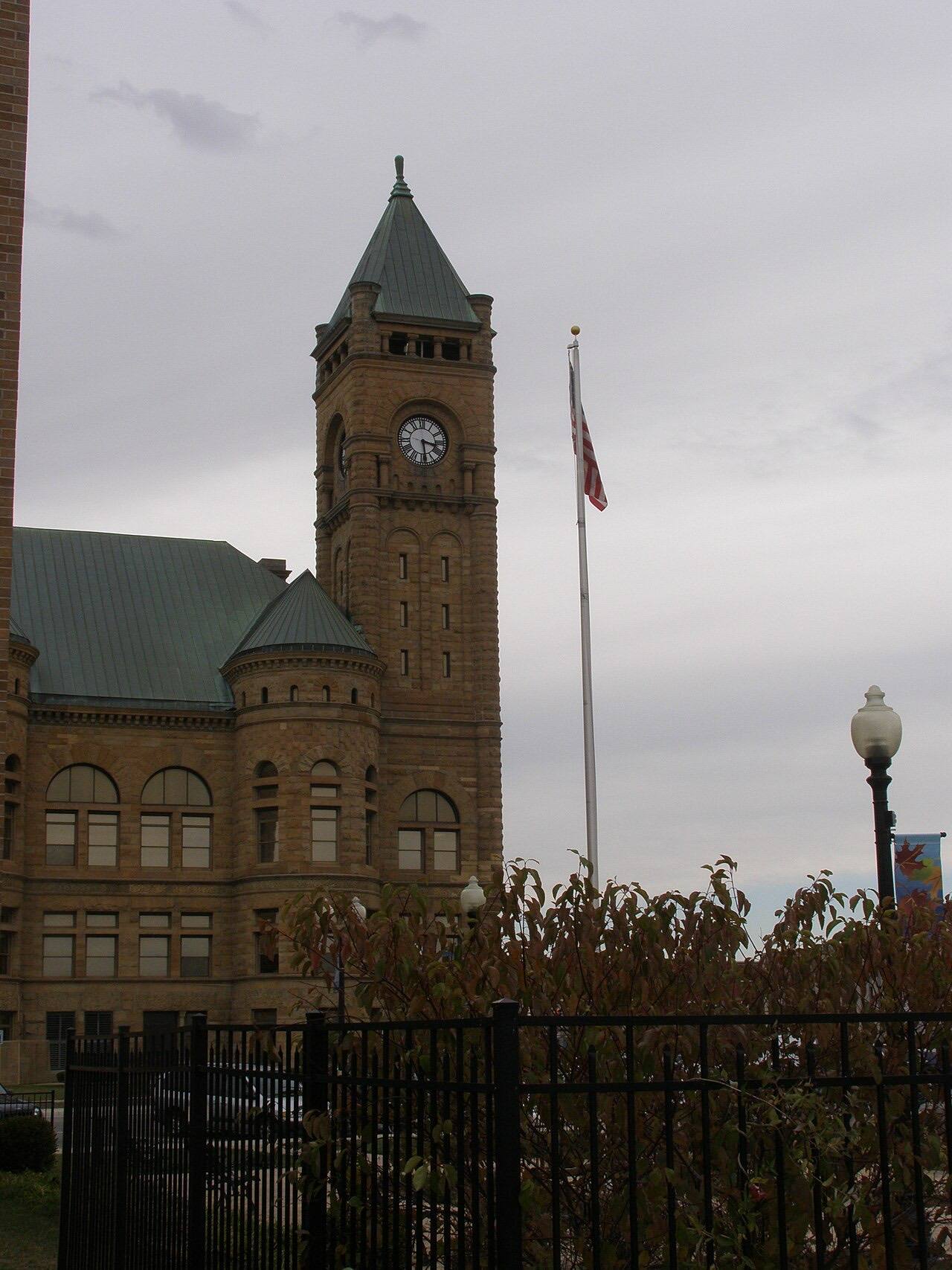
Understanding Disaster Declarations
Disaster declarations have become a critical tool for federal, state, and local governments in responding to natural calamities. However, the process is often mired in political maneuvering, with both sides of the aisle using these declarations to bolster their narratives. The reality is that the statistics surrounding disaster declarations tell a story that is often overlooked amid the cacophony of political discourse.
In recent years, we have seen an increase in the frequency of disaster declarations. Whether it is hurricanes, wildfires, or floods, the data shows that the impacts of climate change are becoming more pronounced. In a nation that prides itself on resilience, these declarations should serve as a clarion call for action rather than a tool for scoring political points.

The Political Landscape
The political landscape surrounding disaster declarations is fraught with tension. On one hand, we have Democrats who often argue for a more robust federal response, viewing these disasters as a direct result of climate change. On the other hand, Republicans frequently emphasize local control and fiscal responsibility, arguing that states should take the lead in disaster management.
Yet, both sides often miss the mark. The left's push for increased federal funding can sometimes overlook the need for accountability and effective resource allocation. Meanwhile, the right's insistence on local control can result in a lack of necessary support for communities that are ill-equipped to handle large-scale disasters. This tug-of-war over disaster declarations often leaves the most vulnerable populations in the lurch.
"Disaster declarations should not be a political football; they are a reflection of our national priorities and preparedness."
Data and Misinterpretation
A recent analysis of disaster declaration data reveals that while the number of declarations has indeed increased, the reasons behind these declarations are varied and often misinterpreted. For instance, some argue that an increase in declarations signifies a government that is too eager to intervene, while others use this data to claim that the nation is facing an unprecedented crisis.
In reality, a portion of the increase can be attributed to better reporting and a more comprehensive understanding of what constitutes a disaster. Local governments are more aware of the federal assistance available, leading to a rise in the number of declarations. This is a positive development, as it indicates a growing recognition of the need for support in the face of natural disasters.
The Role of Media
Media coverage of disaster declarations also plays a pivotal role in shaping public perception. Sensationalist reporting can amplify fears and create a narrative that may not align with the data. In an era where ratings often take precedence over accuracy, it is essential for journalists to exercise caution in their reporting.
Both left-leaning and right-leaning outlets have been guilty of exaggerating the implications of disaster declarations to fit their narratives. This not only misinforms the public but also complicates the political discourse surrounding disaster management. A more responsible approach would involve presenting the facts without the sensationalism, allowing for a more informed discussion on how to effectively respond to disasters.
Moving Forward
As we look to the future, it is imperative that we approach disaster declarations with a sense of urgency and responsibility. Bipartisan cooperation is essential for ensuring that resources are allocated efficiently and effectively. Both sides must recognize that this is not merely a political issue; it is a matter of public safety and welfare.
Moreover, we must advocate for policies that address the underlying issues contributing to the frequency and severity of disasters. Climate change is a reality that cannot be ignored, and our response must reflect a commitment to addressing this existential threat. This requires a shift away from partisan bickering and towards a collaborative approach that prioritizes the wellbeing of all citizens.
Conclusion
The data surrounding disaster declarations paints a picture that is far more nuanced than the political narratives suggest. It is crucial that we engage with this data thoughtfully, recognizing that the stakes are high and the consequences of inaction are dire. Only by moving beyond the left-right divide can we forge a path forward that truly reflects our national values of resilience and solidarity.
✦ ✦ ✦