From the file. Written for the paper dated October 2014. Opened in the public stacks July 14, 2026.
As the smoke from the latest military engagements clears, a new battleground emerges in the form of the war powers debate, igniting discussions across party lines and challenging the very fabric of American governance.
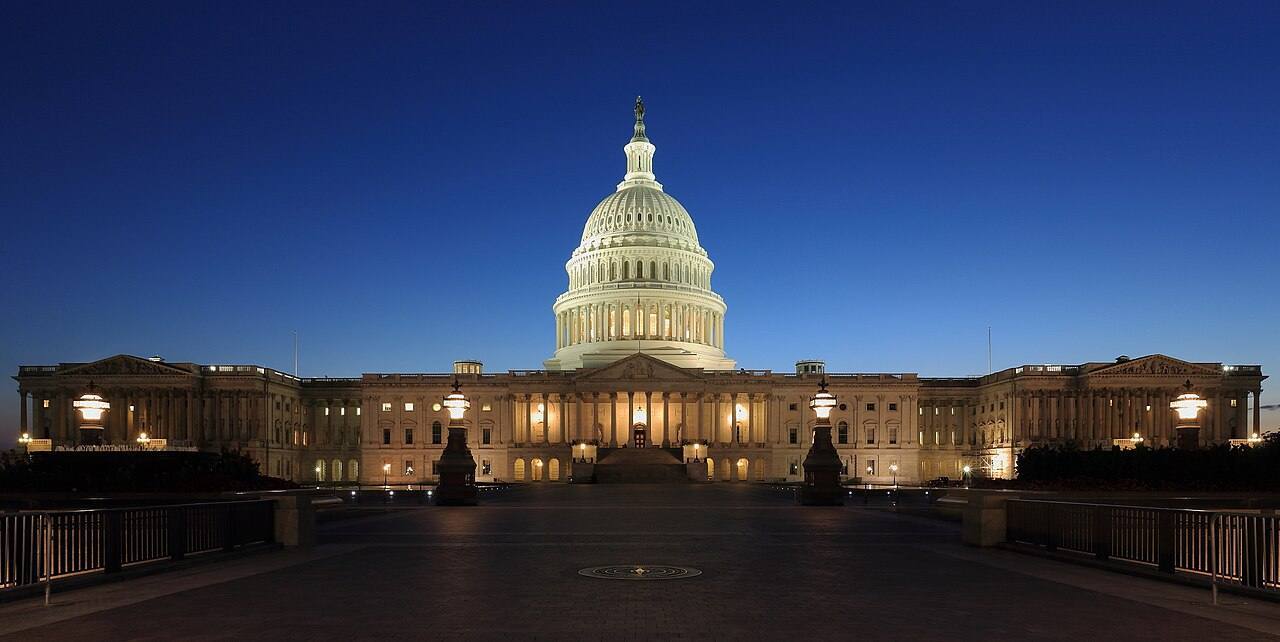
Certainty in Uncertain Times
In a world teeming with chaos - ranging from the rise of extremist groups abroad to the persistent threats of terrorism - many Americans seem to crave certainty. This desire manifests in an increased willingness to endorse military action without the usual deliberations that have historically characterized American foreign policy. The debate over war powers, once a nuanced conversation, is now overshadowed by a stark choice: action or inaction.

On one side, the left has positioned itself as the guardian of civil liberties, advocating for a more measured approach to military intervention. However, some voices within the progressive camp have paradoxically endorsed the very actions they once criticized, citing a need to respond decisively to threats. It is a troubling inconsistency that raises questions about the integrity of their stance. Are they willing to sacrifice their principles in the name of expediency?
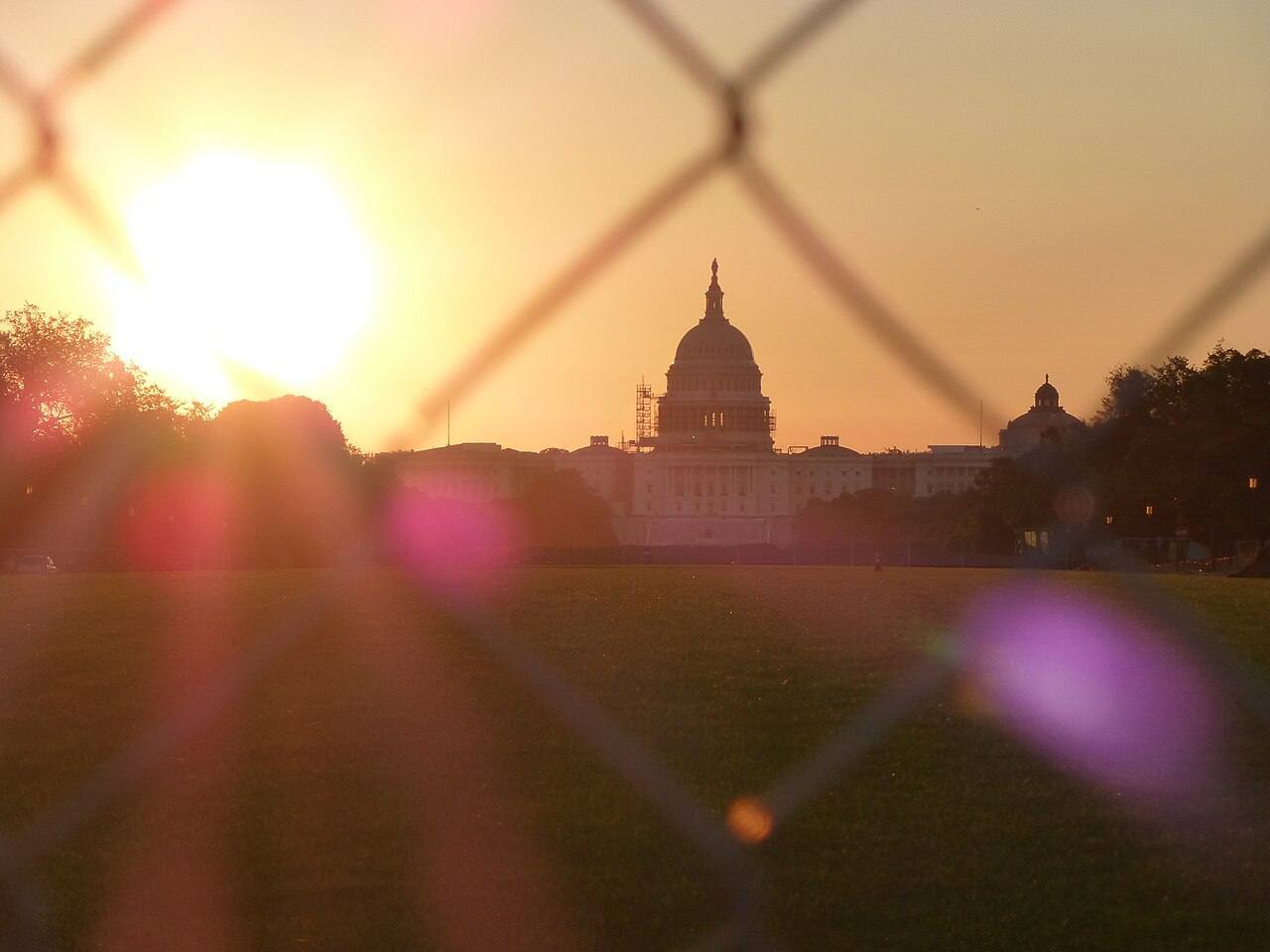
Meanwhile, the right seems emboldened, rallying around the idea that military might is the only viable solution to international crises. The call to arms has become a rallying cry, with politicians and pundits advocating for aggressive military action without sufficient reflection on the long-term consequences. This rush to engage in warfare, often accompanied by bombastic rhetoric, ignores the complexities of global politics and the human cost of such decisions.

The Paradox of Partisan Politics
As we dissect the current climate, it becomes evident that both sides of the aisle are flirting with a dangerous paradox. The left, while advocating for restraint, often finds itself cornered by the very real threats that demand immediate action. The right, in its pursuit of a muscular foreign policy, risks alienating those who question the efficacy and morality of such an approach. Both extremes seem to be sacrificing thoughtful debate for the allure of a simplistic narrative.
"In times of crisis, clarity often trumps complexity, but at what cost?"
The allure of certainty can be intoxicating. It promises a quick fix to multifaceted dilemmas, but history teaches us that such shortcuts rarely lead to sustainable solutions. The fervor with which both sides cling to their narratives reflects a broader malaise in American political discourse - a reluctance to engage in the messy realities of governance. In a polarized environment, where compromise is often viewed as weakness, the path forward grows increasingly convoluted.

Public Sentiment and the Media's Role
Public sentiment plays a critical role in shaping the war powers debate. Polls suggest that a significant portion of Americans supports military action against perceived threats. This support, however, can be fleeting; it often ebbs and flows with the news cycle. The media, in its coverage of military engagements, has a responsibility to provide context, yet sensationalized reporting tends to overshadow the complexities involved. This creates a feedback loop where public opinion is swayed by the loudest voices, rather than informed by thoughtful analysis.
It is essential to remember that war is not merely a political tool; it is an act that carries profound human consequences. For every military strike, there are families torn apart, lives lost, and communities forever changed. The debate over war powers should focus not only on the legality of actions taken by the executive branch but also on the ethical implications of those decisions.
Looking for a Middle Ground
As we navigate this contentious landscape, it is imperative to seek a middle ground. Politicians from both sides must engage in an honest dialogue about the implications of military action and the responsibilities that come with it. This requires a commitment to transparency and accountability, as well as an acknowledgment that war should not be the first, but rather the last, option.
Furthermore, citizens must hold their elected representatives accountable, demanding a rigorous examination of any proposed military action. The stakes are too high for us to accept a simplistic narrative. Instead, we must strive for a more nuanced understanding - one that recognizes the complexities of international relations and the moral imperatives that should guide our actions.
✦ ✦ ✦