From the file. Written for the paper dated October 2014. Opened in the public stacks July 14, 2026.
As communities across the nation grapple with the aftermath of natural disasters, the political discourse surrounding disaster declarations reveals a troubling trend: certainty is being marketed as a commodity, and those who sell it are reaping substantial rewards.
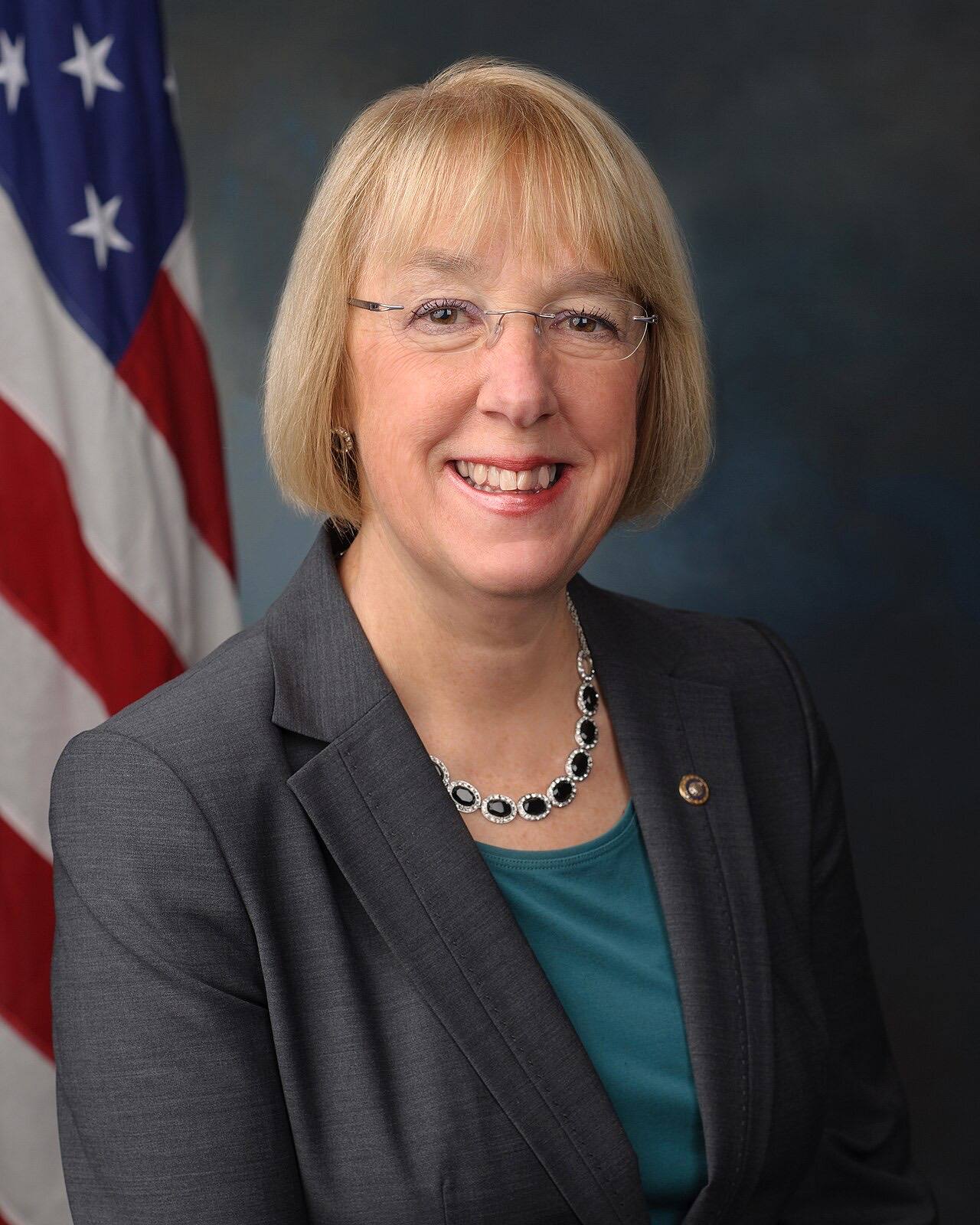
Certainty in Uncertain Times
In the wake of disasters like Hurricane Sandy and the ongoing fallout from wildfires in the West, the American public has grown accustomed to the swift action of government declarations. These declarations, which often signal federal assistance, are crucial for communities in distress. Yet, as politicians and leaders attempt to project a sense of control, there is an undercurrent of manipulation that is hard to ignore.

From the left, there is a tendency to frame government intervention as the sole solution to these crises. The message is clear: without federal assistance, communities will struggle to rebuild. This rhetoric, while grounded in the reality of disaster recovery, risks oversimplifying the complex issues at play. It can create a dependency on government aid rather than encouraging local resilience and initiative.

On the right, the narrative often shifts to one of fiscal responsibility. Some conservative lawmakers argue against disaster declarations, citing the costs associated with federal aid. However, in doing so, they often overlook the very real human suffering that follows disasters. The reluctance to act can be viewed as an absence of empathy, further complicating the recovery process.
"In an age of uncertainty, politicians are selling certainty, and both sides are guilty of using disasters as political pawns."
Political Pawns and Public Perception
The ongoing tug-of-war between political ideologies has led to an environment where disaster declarations are often used as political tools rather than genuine efforts to help those in need. Politicians on both sides of the aisle are quick to capitalize on the emotional weight of disasters, using them to bolster their narratives and agendas.
For instance, during a recent disaster declaration, one senator took to the airwaves to highlight their efforts in securing federal funds, framing it as a triumph for their constituents. Meanwhile, opponents were quick to criticize the alleged inefficiencies of government response, creating a cycle where every disaster becomes a battleground for political points rather than a moment for unified response.
The Media's Role
The media, too, plays a significant role in shaping the narrative surrounding disaster declarations. News outlets have a responsibility to inform the public about the realities of these situations, yet sensationalism often takes precedence. Headlines that focus on the chaos and destruction can lead to a distorted view of the recovery process, perpetuating a sense of helplessness among those affected.
Coverage that emphasizes government action can inadvertently suggest that recovery is solely the responsibility of federal assistance, thereby sidelining the efforts of local organizations and community leaders who are instrumental in rebuilding. This dynamic can skew public perception, leading people to believe that only the government can provide the necessary support when, in fact, many successful recovery efforts are community-led.
A Call for Balanced Discourse
As we navigate these turbulent times, it is essential for both political leaders and the media to strike a balance in their discourse about disaster recovery. Acknowledging the complexities of each situation, rather than framing it as a binary issue of government intervention versus fiscal responsibility, could lead to more productive conversations.
Politicians should aim to empower communities through a mix of support and encouragement, recognizing that local resilience is equally important as federal aid. Meanwhile, media outlets must prioritize responsible reporting that highlights the multifaceted nature of disaster recovery, showcasing not only government actions but also the grassroots efforts that are vital to rebuilding.
Conclusion
In a time when certainty is in high demand, it is crucial for all parties involved to foster an environment of honest communication and collaborative action. Disaster declarations should not be a vehicle for political gain but rather a means to unite and support those who are most affected. Only then can we begin to rebuild not just structures, but communities and trust.
✦ ✦ ✦