From the file. Written for the paper dated October 2014. Opened in the public stacks July 14, 2026.
In an age marked by an unrelenting news cycle and a cacophony of political rhetoric, the phenomenon of civic boredom has emerged as a strange but palpable reality. As headlines fade, so too does the urgency to engage - leaving many citizens feeling detached from the very issues that demand their attention.
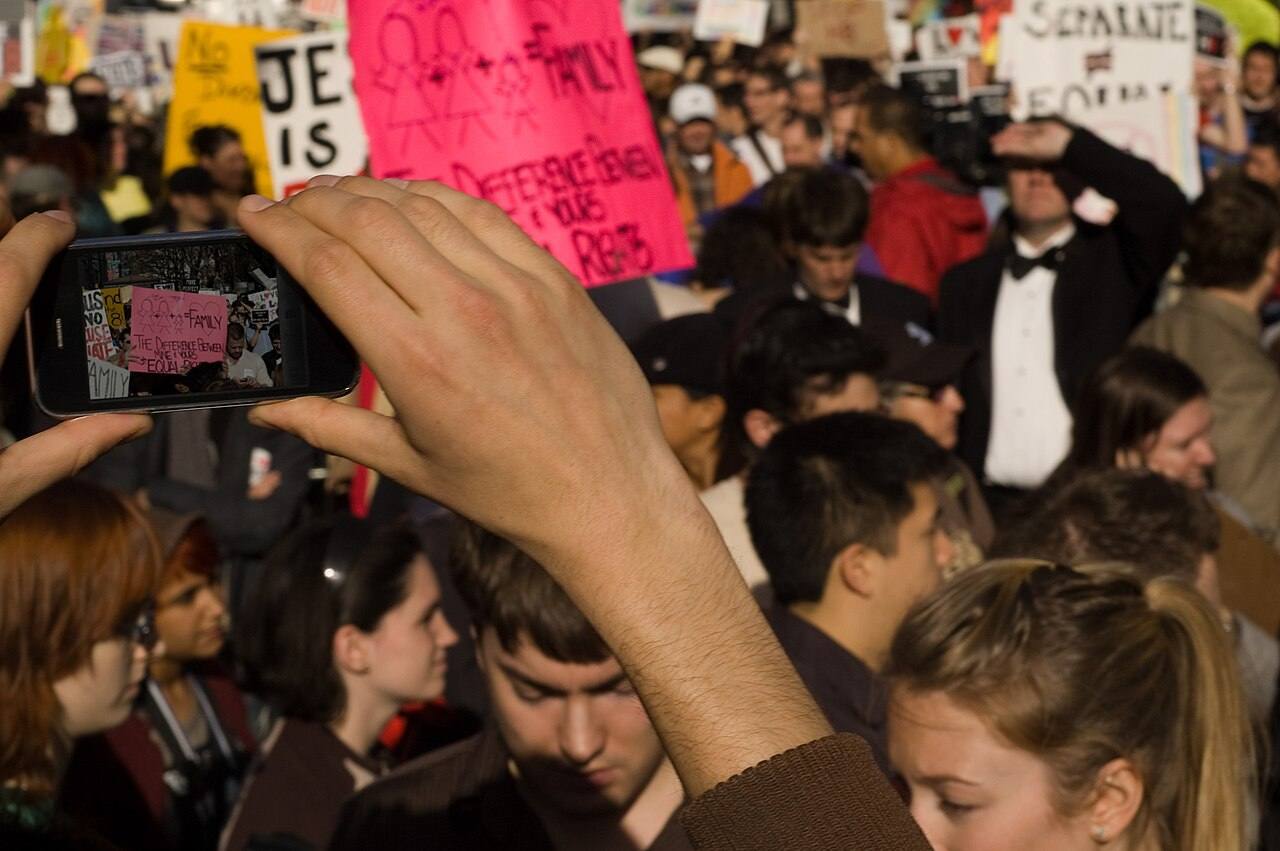
The Illusion of Certainty
In a world where complex issues are often reduced to sound bites, it is no surprise that certainty has become a hot commodity. Political leaders and media figures alike capitalize on this demand, offering up simplistic solutions to intricate problems. Whether it is the debate over healthcare reform or the ongoing discussions around immigration, the allure of clear-cut answers can overshadow the messy intricacies that define these issues.
Consider the current discourse surrounding the Ebola outbreak. As fear grips the nation, voices on both the left and right have seized the moment to push their agendas. On the left, there is a push for increased funding for public health initiatives, while the right clamors for stricter border controls. In both instances, the conversation is often framed in absolutes, leaving little room for nuance. The result is a populace that either feels reassured by the certainty offered or frustrated by the lack of substantive discussion.

The Left’s Overreach
While the left seeks to promote a narrative of compassion and inclusivity, recent actions suggest an overreach that risks alienating moderate voices. The push for blanket amnesty for undocumented immigrants, for instance, has drawn backlash from those who feel it undermines the rule of law. This has created a sharp divide, leaving many to feel that they must either fully embrace the progressive agenda or stand against it entirely.
"In their zeal to champion social justice, the left risks creating an environment where dissent is not just unwelcome but actively punished."
Furthermore, the left's insistence on political correctness has made civil discourse increasingly fraught. The fear of being labeled a bigot or a xenophobe for expressing a contrary opinion has left many citizens hesitant to engage in meaningful conversations. The result is a growing sense of disconnection from the very issues that are meant to foster civic engagement.
The Right’s Reactionary Stance
On the other side of the aisle, the right has embraced a reactionary stance that often prioritizes outrage over constructive dialogue. In their pursuit of a smaller government and lower taxes, many conservatives have resorted to fearmongering tactics that oversimplify complex issues. The portrayal of immigrants as threats to American jobs and safety is a prime example of this trend, painting entire groups with a broad brush and fostering an atmosphere of hostility.

Moreover, the right's tendency to dismiss climate change as a hoax has not only hindered progress on environmental issues but has also contributed to the collective cynicism towards science and expertise. This skepticism feeds into the broader narrative of uncertainty that permeates our civic life, leaving many citizens feeling adrift.
Finding Middle Ground
In this polarized environment, the challenge lies in forging a middle ground that encourages civic engagement without falling prey to the extremes. Both sides must recognize that the issues facing our society are multifaceted and cannot be reduced to binary choices. Acknowledging the complexity of issues like immigration, healthcare, and climate change is vital to fostering a healthier public discourse.
Moreover, leaders on both sides of the political spectrum should strive to promote dialogue over division. This means encouraging conversations that embrace diverse perspectives and understanding that dissent is a crucial component of democracy. Civic engagement does not have to mean uniformity of thought; rather, it should celebrate the rich tapestry of opinions that define our nation.
A Call to Action
As citizens, we bear the responsibility to demand more from our leaders and ourselves. We must reject the allure of certainty that stifles critical thinking and engagement. Instead, let us embrace the discomfort that comes with uncertainty and complexity. It is in this space that true civic engagement can flourish.
In order to counteract the pervasive sense of boredom and disengagement, we must actively seek out opportunities for dialogue and participation in our communities. Whether it is attending town hall meetings, engaging in local initiatives, or simply discussing issues with friends and family, every effort counts. By fostering a culture of engagement, we can combat the ennui that threatens to undermine our civic life.
✦ ✦ ✦