From the file. Written for the paper dated September 2014. Opened in the public stacks July 14, 2026.
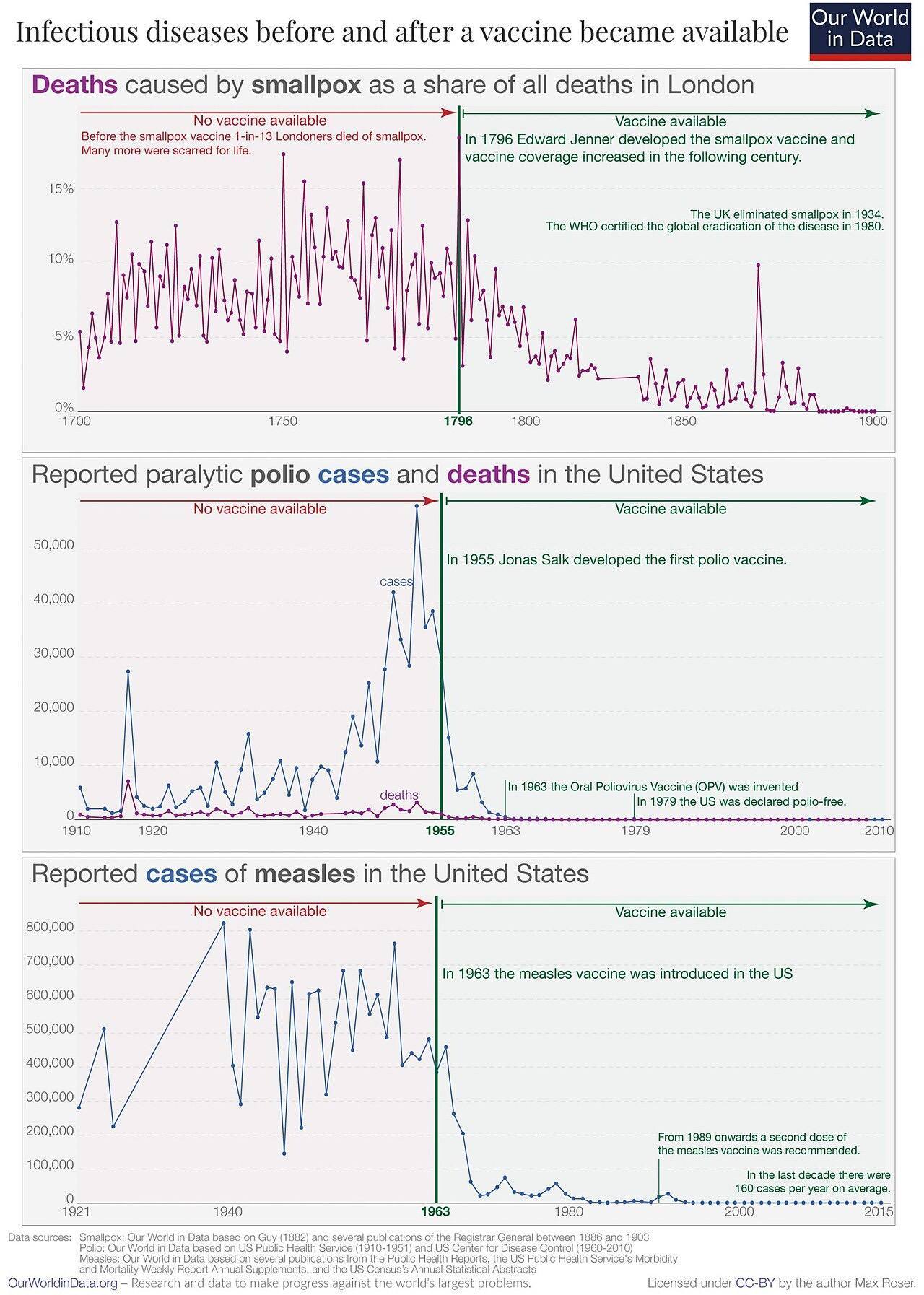
As the world grapples with the ongoing ramifications of the recent Ebola outbreak, the question of pandemic preparedness has come sharply into focus. Both sides of the political aisle are displaying a troubling trend: selective memory about their own roles in the nation's health infrastructure.
The Political Tug-of-War on Health Policy
The response to public health crises often becomes a political football, tossed back and forth between the parties. The current Ebola scare has prompted an outpouring of rhetoric from both Democrats and Republicans, each eager to position themselves as the champions of public health. Yet, this posturing reveals a disturbing pattern: both parties seem to conveniently overlook their own past contributions to the current state of pandemic readiness.
On one hand, the Democrats, who have criticized the Republicans for their cuts to the Centers for Disease Control and Prevention (CDC) and other public health agencies, often forget that their own administration has faced criticism for not adequately preparing for outbreaks during their tenure. The Affordable Care Act, while a landmark achievement, has also faced scrutiny regarding its implications for public health funding.

Meanwhile, Republicans are quick to highlight the failures of the Obama administration in managing health crises, particularly in the realm of CDC funding and preparedness policies. However, they conveniently sidestep their own history of austerity measures that have weakened public health initiatives in the name of fiscal conservatism.
“The selective memory on both sides of the aisle is astounding; neither seems willing to take full responsibility for public health failures.”
Public Health: A Shared Responsibility
What is perhaps most disheartening is that the issues surrounding pandemic readiness should not fall solely on one party's shoulders. Public health is, and always has been, a shared responsibility. The recent Ebola outbreak serves as a reminder that infectious diseases do not recognize political affiliations. The bipartisan habit of selective memory only serves to undermine the very real need for cohesive action.
As we confront these emerging health threats, it is imperative for both parties to acknowledge their roles in shaping the public health landscape. The funding cuts, policy changes, and regulatory shifts that have occurred over the years have all contributed to the complexities we now face in terms of managing outbreaks and ensuring the safety of the American public.
Lessons Unlearned
We should not forget the lessons of previous outbreaks, such as H1N1 and SARS. Each time, the political blame game ensued, with parties accusing one another of negligence rather than working together to bolster our health infrastructure. The current crisis demonstrates that the stakes are too high for partisan bickering. The public deserves better than a political landscape riddled with self-serving narratives.
In the face of a global pandemic, it is crucial that lawmakers prioritize public health over partisan gain. A comprehensive approach that includes investment in research, training, and infrastructure is needed to ensure that we are prepared for future threats. This requires a commitment from both sides to work collaboratively rather than engage in selective memory of their past actions.
Moving Forward
As we continue to confront the realities of global health threats, let us hope that our leaders will learn from the past rather than repeat it. A united front in the face of public health crises is not just idealistic; it is essential. The American public deserves leaders who are willing to put aside their partisan differences and work together for the common good.
Both parties must recognize their roles in shaping policies that affect public health. By moving past selective memory and engaging in honest discussions, we can build a more resilient health system that can withstand the pressures of future pandemics. Only then can we hope to emerge from the shadows of crisis and into a healthier, more prepared future.
✦ ✦ ✦