From the file. Written for the paper dated September 2014. Opened in the public stacks July 14, 2026.
In the world of international relations, the nuances of communication can often be overshadowed by political theatrics. As we parse through the latest diplomatic cables, it becomes increasingly clear that both sides of the political spectrum indulge in a dangerous habit: selective memory.
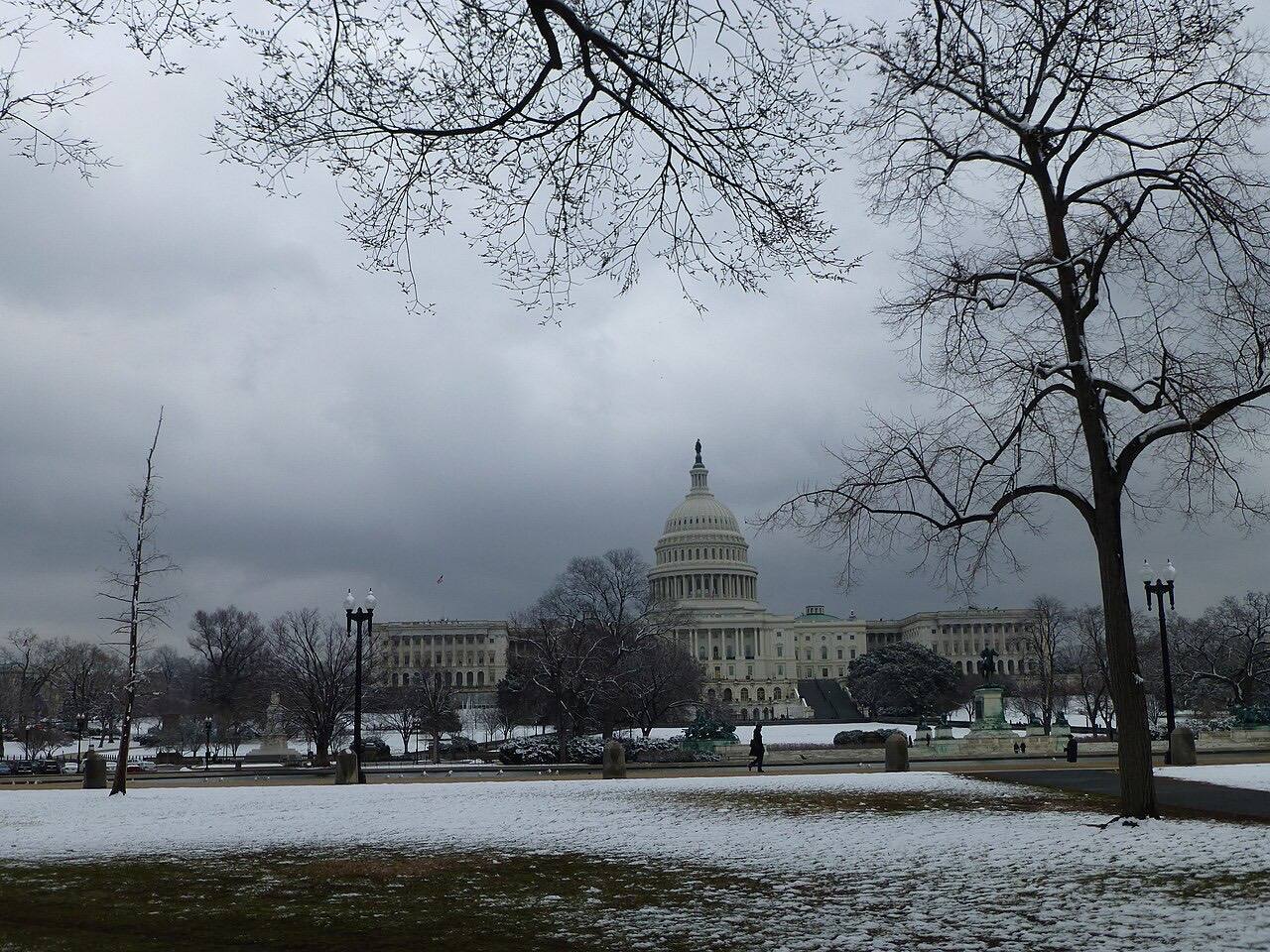
The Diplomatic Cable Landscape
Recent revelations from diplomatic cables have sparked a renewed debate over how information is interpreted and utilized in the political arena. These documents, often viewed as dry bureaucratic paperwork, can actually illuminate the motivations and intentions of foreign policy decisions. Yet, when it comes to interpreting these cables, both the Left and Right are guilty of cherry-picking data that supports their narratives while ignoring the broader context.
"In the realm of foreign policy, selective memory is not just a tool; it is a weapon."
For instance, take the ongoing discussions surrounding U.S. relations with Russia. On one hand, Democrats are quick to highlight the aggressive posturing of the Kremlin as evidence of a need for a firmer stance, while conveniently glossing over the historical context that led to such tensions. On the other hand, Republicans may focus on past Democratic administrations' failures, painting the current administration's approach to Russia as weak without acknowledging their own party’s complicity in past foreign policy blunders.
Context and Consequences
This selective amnesia has consequences beyond mere political posturing. It creates an environment where foreign policy decisions are made in a vacuum, devoid of historical lessons that could guide more effective actions. Furthermore, when both parties engage in this practice, the American public is left with a fragmented understanding of global issues, fueling mistrust and cynicism toward government institutions.
In the current climate, where partisan divides seem to widen by the day, one might expect that a shared commitment to factual accuracy would take precedence. Unfortunately, each party’s need to frame the narrative to its advantage often overshadows the truth. This is particularly evident in the conversations surrounding military interventions, trade agreements, and human rights violations.
The Role of Media
The media, too, plays a significant role in perpetuating this cycle of selective memory. Sensational headlines and sound bites can distort the complexity of diplomatic communications, reducing intricate issues to simplistic narratives that serve to rally the base rather than inform the public. It is imperative for media outlets to strive for a more balanced approach in their reporting, emphasizing the importance of context and the multifaceted nature of international diplomacy.
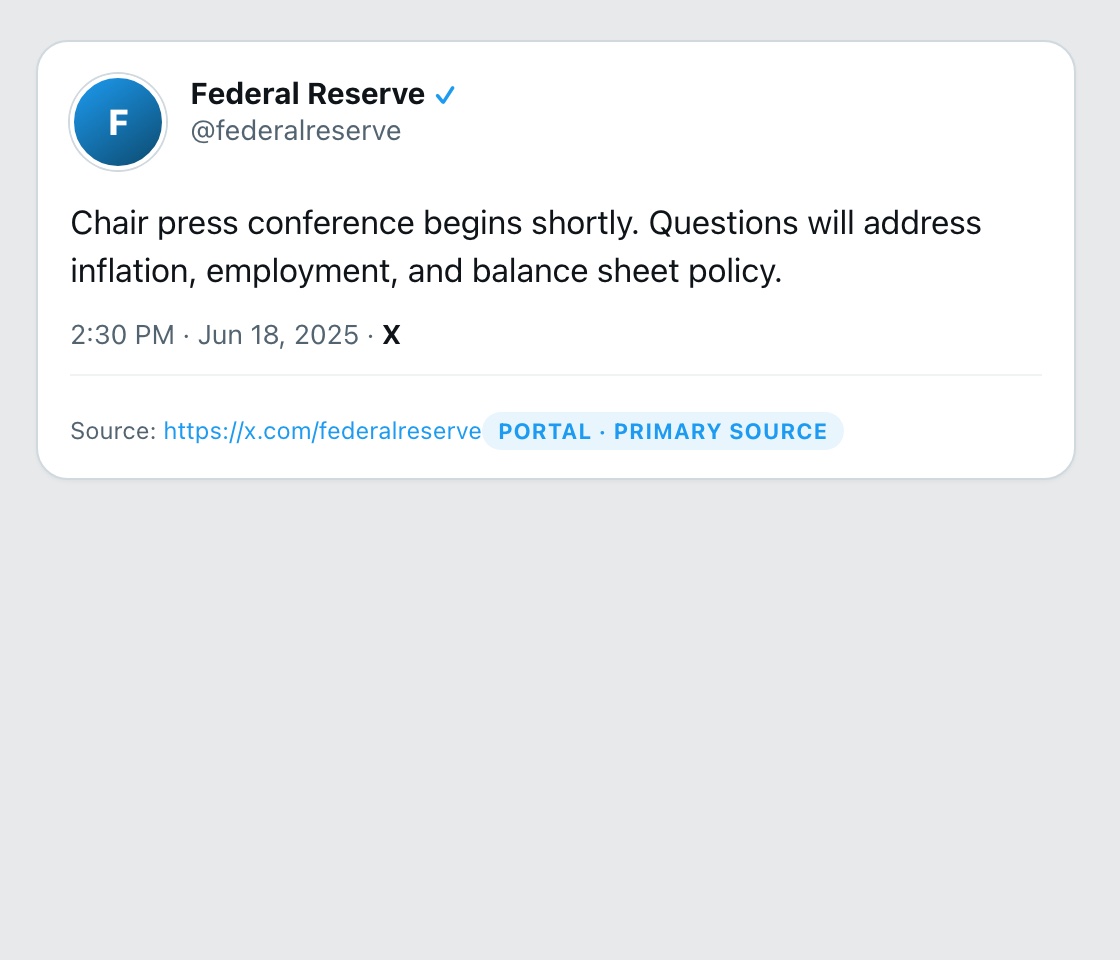
"When the media simplifies complex issues, the public's understanding suffers."
Both sides of the aisle must recognize that the stakes of foreign policy are too high for such games. The consequences of misinterpretation can lead to military escalation or diplomatic failures that echo for years to come. Rather than falling into the traps of selective memory and partisan narratives, lawmakers must commit to a more honest and nuanced approach to foreign policy, one that acknowledges the failures and successes of previous administrations while seeking to learn from them.
A Call for Accountability
As the debate around diplomatic cables continues, it is crucial for both citizens and their representatives to hold each other accountable. This means demanding transparency and integrity from our leaders and media sources, ensuring that the full story is told rather than a selective version that serves a political agenda. Only then can we hope to foster a more informed citizenry capable of engaging meaningfully with the complexities of international relations.
✦ ✦ ✦