From the file. Written for the paper dated August 2014. Opened in the public stacks July 14, 2026.
As the headlines shift from one crisis to the next, the war powers debate simmering beneath the surface reveals a troubling lack of congressional oversight and accountability.
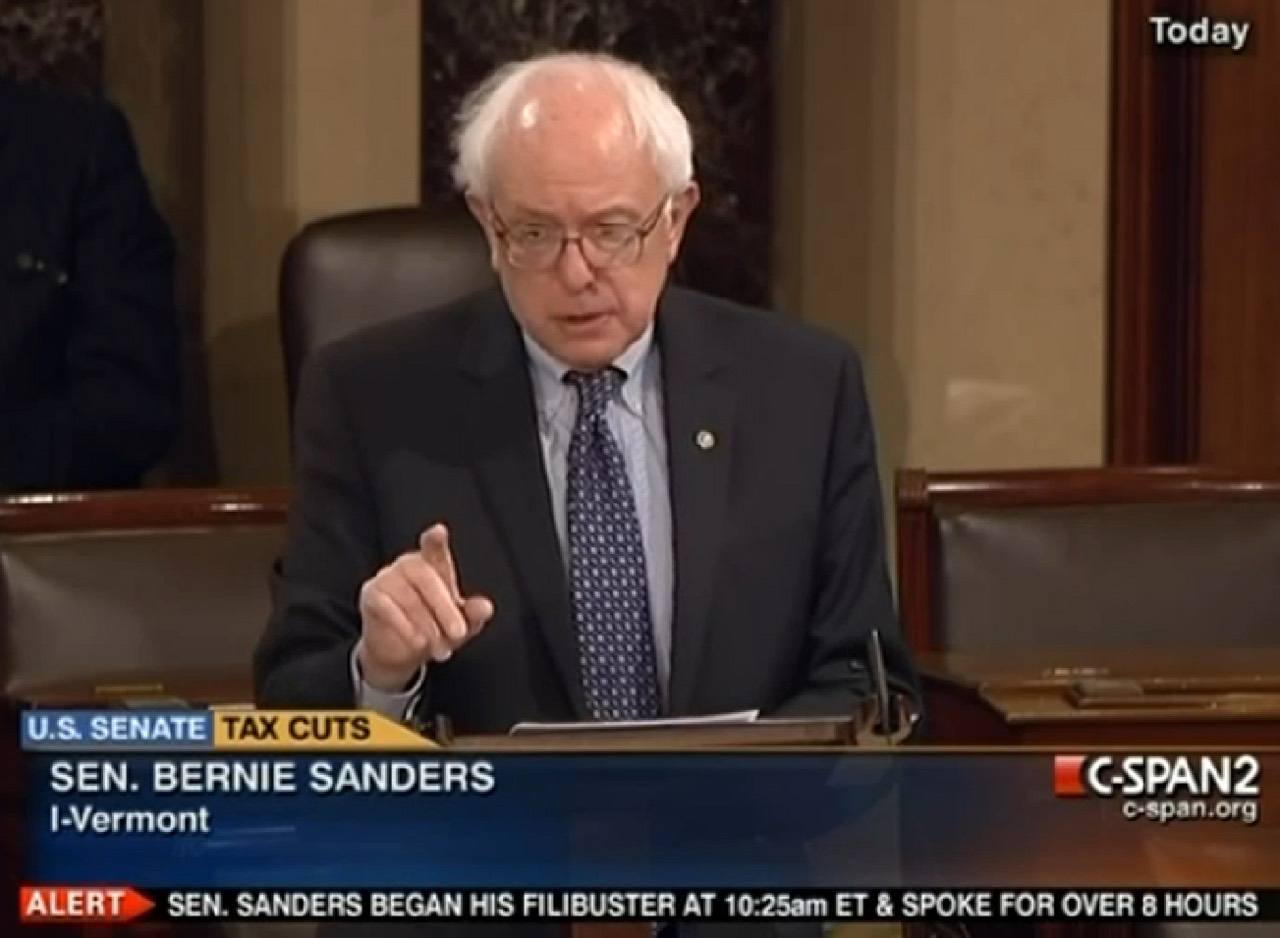
Escalation Without Deliberation
In recent weeks, the United States has seen an alarming escalation of military action abroad, particularly in Iraq and Syria. The Obama administration’s approach to combating the rise of ISIS has raised critical questions about the extent of executive power in military engagements. While the administration argues that swift action is necessary to protect national interests and prevent further atrocities, many lawmakers are concerned that this unilateral approach undermines the checks and balances that are meant to govern such decisions.
Congress, which holds the constitutional authority to declare war, has largely remained silent amid these escalating tensions. The reluctance of many lawmakers to assert their powers reflects a broader trend of acquiescence to executive authority. The War Powers Resolution of 1973, designed to ensure that Congress retains a role in military decisions, appears to be more of an afterthought than a guiding principle for modern conflicts.
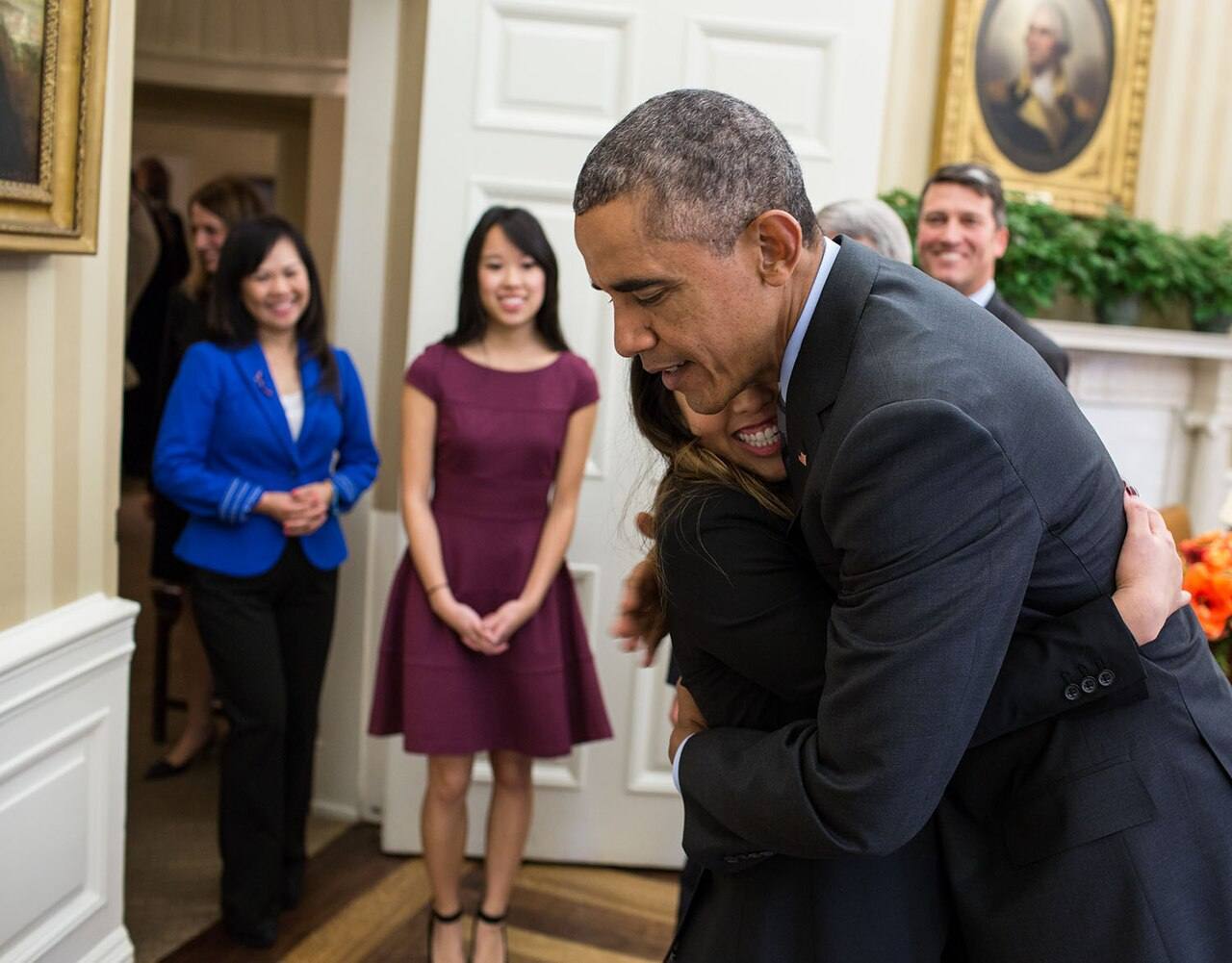
"If we are to engage in military actions, Congress must have a role in that decision-making process." - A bipartisan group of lawmakers
The Political Vacuum
The current political landscape further complicates the war powers debate. With midterm elections approaching, many members of Congress are hesitant to take a definitive stand on military intervention, fearing backlash from constituents. This has created a political vacuum where critical discussions about the use of military force are sidelined in favor of safer, less controversial topics.

On one side, the administration maintains that it has the authority to act without congressional approval, citing the need for swift action against a perceived threat. On the other, critics from both parties argue that this mindset fosters a dangerous precedent. The reluctance to engage in rigorous debate about the implications of military action reflects a broader issue of accountability and transparency in government.
Left and Right: A Call for Balance
What is particularly striking in this moment is the way both sides of the political aisle are failing to engage in a meaningful discourse about military intervention. The left, traditionally more cautious about military engagements, risks becoming complacent, supporting actions that they would have vehemently opposed a few years ago. The right, meanwhile, seems eager to embrace a hawkish stance, advocating for increased military action without adequately considering the long-term consequences.

This lack of balance is detrimental not only to the integrity of U.S. foreign policy but also to the principles of democracy itself. The American public deserves a robust debate about military actions that are funded by taxpayer dollars and undertaken in their name. Yet, as the rhetoric heats up, it becomes increasingly clear that both sides are more interested in scoring political points than in seeking constructive solutions.
The Consequences of Inaction
As the United States navigates these tumultuous waters, the consequences of inaction on the part of Congress could be severe. A lack of oversight not only emboldens the executive branch but also hinders the ability of lawmakers to fulfill their constitutional responsibilities. Furthermore, it risks alienating the very citizens who are most affected by these decisions.
Military actions often have far-reaching implications beyond the immediate conflict. The decision to engage in warfare involves complex considerations, including humanitarian impacts, international relations, and the long-term stability of the regions involved. Without meaningful input from Congress, the U.S. risks repeating past mistakes, entering conflicts without a clear understanding of the potential fallout.
Moving Forward
To address these concerns, a renewed commitment to the principles of oversight and accountability is essential. Lawmakers must engage in open discussions about the implications of military action and work to ensure that any military engagement is justified and well-considered. The American public deserves to have its voice heard in these discussions, and Congress must take the lead in facilitating that dialogue.
As the headlines fade and the urgency of the moment shifts, it is crucial that the war powers debate does not fall by the wayside. The integrity of the democratic process hinges on the ability of Congress to assert its authority and engage in robust discussions about the use of military force. Only through careful deliberation can the U.S. navigate the complexities of modern warfare while honoring the principles of democracy.
✦ ✦ ✦