From the file. Written for the paper dated August 2014. Opened in the public stacks July 14, 2026.
In an era of heightened global tensions, the release of diplomatic cables has once again ignited debates on transparency and the consequences of oversight failures. As the headlines fade, the implications of these cables linger, revealing a troubling trend in the management of sensitive information.

The Oversight Gap
In the world of diplomacy, the importance of oversight cannot be overstated. Yet, recent revelations suggest a quiet failure in this essential area. The diplomatic cables, which were once considered a cornerstone of international communication, now serve as a stark reminder of the vulnerabilities that can arise when oversight mechanisms falter.
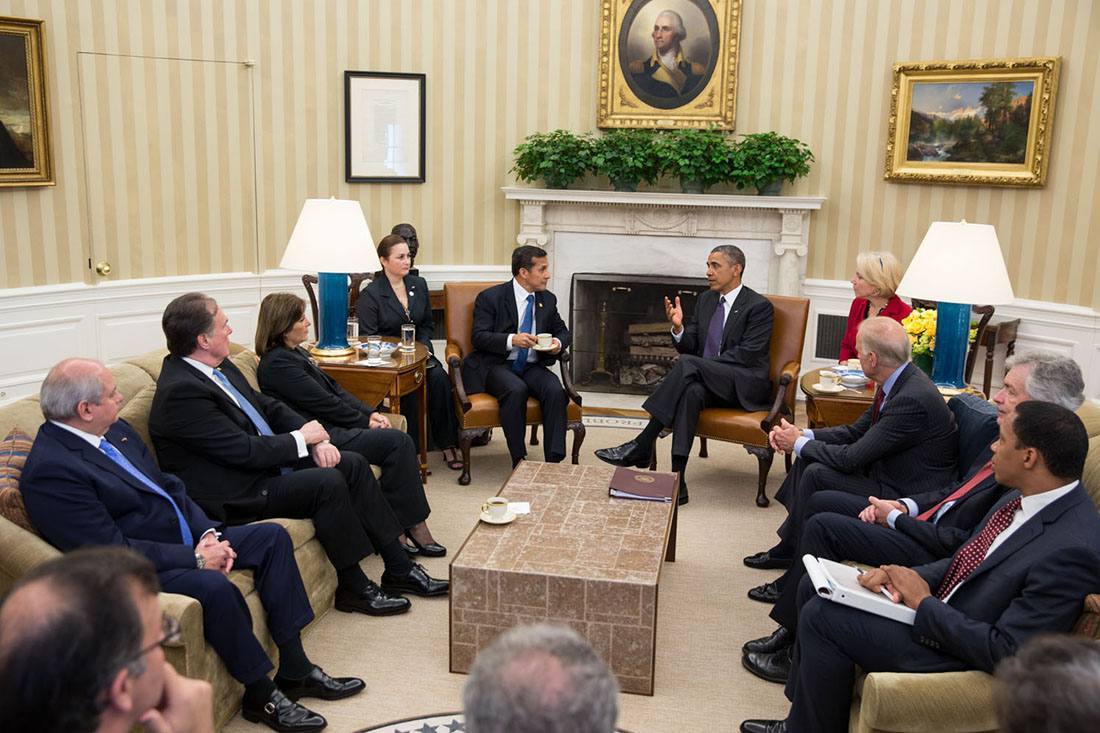
These cables, intended to provide insight into U.S. foreign policy and international relations, often reflect the complex interplay of power dynamics. However, the lack of stringent oversight has allowed certain messages to slip through the cracks, leading to misinterpretations and, in some cases, diplomatic blunders.
"Without proper oversight, the potential for miscommunication increases exponentially."
The Right's Call for Transparency
On the right, calls for transparency have gained momentum. Conservative voices argue that the public deserves access to these cables to hold the government accountable. However, this push for transparency often morphs into a rallying cry against the perceived secretive nature of the Obama administration. The narrative can veer into sensationalism, suggesting that every withheld document is a sign of nefarious intent.

While the desire for accountability is noble, this approach risks undermining the careful balance required in diplomatic communications. The right's emphasis on transparency can sometimes overshadow the necessity of discretion, which is vital for effective diplomacy.
The Left's Reactionary Stance
Conversely, the left has taken a more defensive posture, often advocating for the protection of classified information under the guise of national security. This reactionary stance can lead to an overreliance on secrecy, stifling necessary conversations about government accountability and the public's right to know.

The left's tendency to dismiss concerns about oversight as partisan attacks often results in a failure to engage with valid criticisms regarding the handling of sensitive information. By painting all criticisms as politically motivated, the left risks alienating those who seek genuine reform in the oversight processes.
The Consequences of Inaction
The consequences of these oversight failures are not merely theoretical. As diplomatic relations become increasingly fraught, the stakes are higher than ever. Missteps in communication can exacerbate tensions, leading to conflicts that could have otherwise been avoided.
Furthermore, the culture of secrecy fostered by an overly cautious approach to classified information can breed distrust among allies. When diplomatic cables are perceived as unreliable or intentionally misleading, the very foundation of international relations is put at risk. This situation calls for a reassessment of how we approach the balance between transparency and secrecy.
"Trust is the currency of diplomacy, and without it, our international relationships weaken."
A Call for Balanced Solutions
As we navigate this complex landscape, it is crucial for both sides of the political spectrum to find common ground. The right must recognize that while transparency is essential, it should not come at the expense of national security. Similarly, the left should acknowledge that excessive secrecy can erode public trust and accountability.
Moving forward, a collaborative approach that emphasizes the importance of oversight without compromising necessary confidentiality is needed. Establishing clear guidelines for when and how information is shared can help bridge the gap between transparency advocates and those who prioritize secrecy.
Conclusion
As diplomatic cables continue to shape our understanding of international relations, it is imperative that we address the oversight failures that have emerged. Both the right and left must engage in constructive dialogue about the balance between transparency and security. Only through this collaboration can we hope to restore trust in our diplomatic institutions and ensure that the lessons learned from past oversights inform a more responsible approach to international communication.
✦ ✦ ✦