From the file. Written for the paper dated June 2014. Opened in the public stacks July 14, 2026.
In the wake of high-profile scandals and the ensuing media frenzy, it is tempting to believe that the spotlight alone can ensure accountability. However, true oversight requires a commitment to procedure that often goes unacknowledged amidst the noise.

The Invisibility of Oversight
Oversight is a term frequently invoked in political discourse but rarely understood in its full complexity. It encompasses much more than merely reacting to crises or scandals. It requires a systematic approach to maintaining checks and balances, a commitment to transparency, and a willingness to engage in the nitty-gritty of governance.
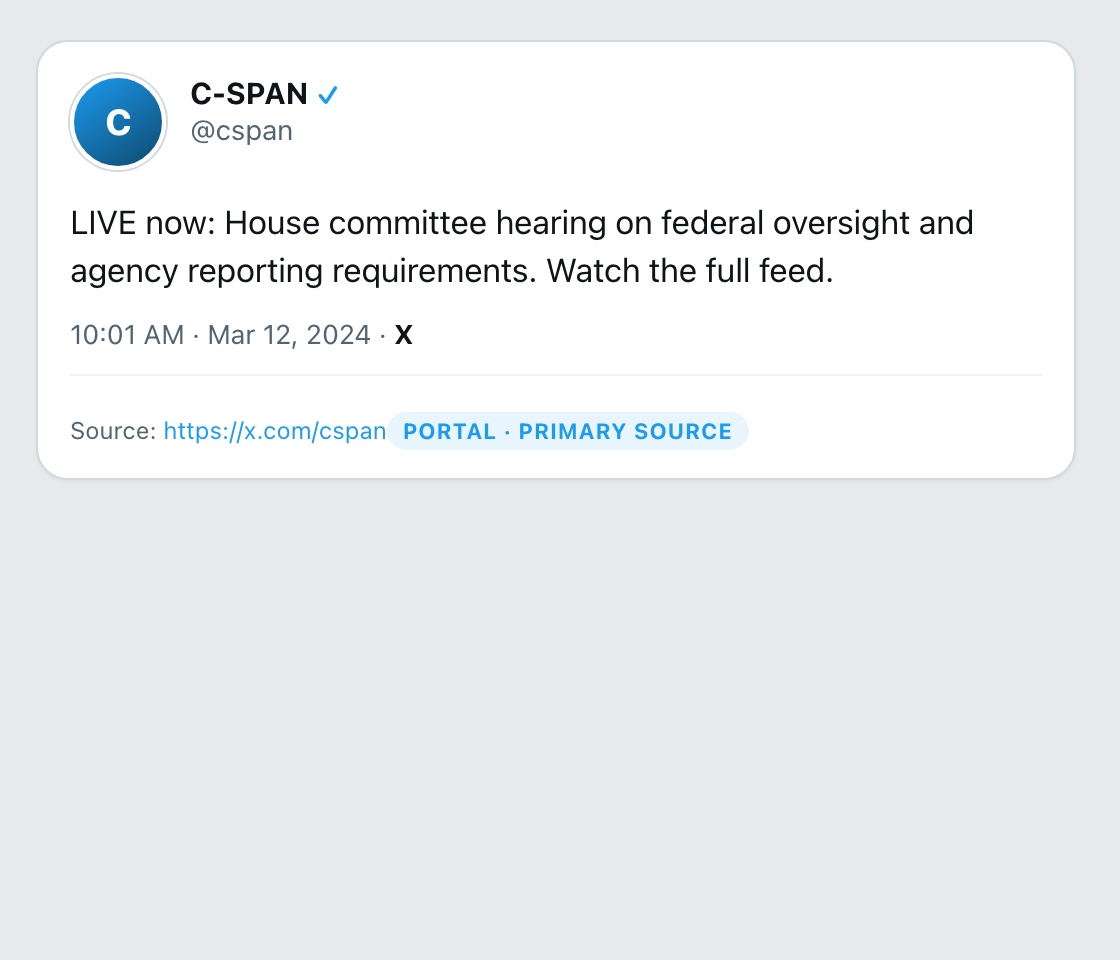
As we have seen in recent months, from the fallout of the IRS targeting of conservative groups to the controversies surrounding the National Security Agency’s surveillance practices, the desire for oversight can sometimes become a weapon wielded by those seeking to advance their own agendas. The left and right both exhibit tendencies to exploit these situations, often prioritizing political gain over genuine accountability.

“Oversight cannot be an afterthought; it must be embedded in the very fabric of governance.”
The Left's Overreach
On one side, there are elements of the left that have leveraged these scandals to push for sweeping reforms. While the calls for greater transparency and limits on government power are commendable, the approach often seems to veer dangerously into the territory of overreach. For instance, the push for expansive legislation could inadvertently stifle legitimate governmental functions, impeding the very processes that are essential for effective oversight.
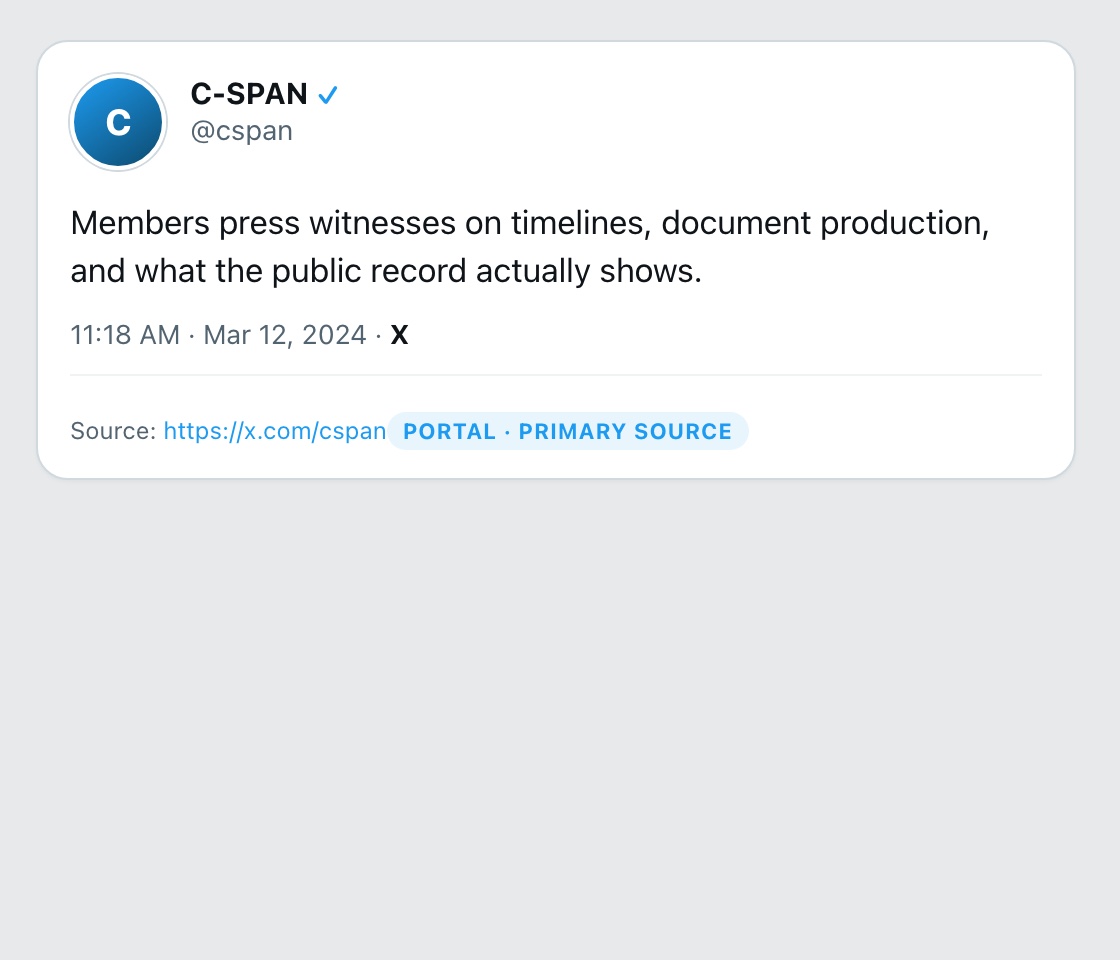
Advocates for such measures often frame their arguments around protecting civil liberties, yet they may also overlook the need for a balanced approach that respects both individual rights and the necessity of government operations. The tendency to paint every government action in a negative light can create an environment where legitimate oversight mechanisms are vilified, leading to an erosion of trust in public institutions.
The Right's Reactionary Rhetoric
Conversely, the right has often reacted to these calls for oversight with skepticism, sometimes dismissing them as politically motivated attacks on the government. This reactionary stance not only undermines the importance of accountability but also fosters an environment of complacency. By framing oversight as an attack on government itself, the right risks alienating those who understand that oversight is not inherently adversarial. Rather, it is a necessary part of a functioning democracy.

Moreover, the right’s resistance to oversight can lead to a culture of secrecy, where the public is left in the dark about governmental actions. This secrecy breeds distrust and fuels conspiracy theories, which can be more harmful than the issues the oversight seeks to address. When both sides fall into their respective traps of overreach and dismissal, the result is a failure to achieve the accountability that citizens expect and deserve.
A Call for Genuine Dialogue
The procedure of oversight is one that requires genuine dialogue, cooperation, and a shared commitment to the public good. It cannot be reduced to sound bites or used as a political tool. Policymakers must engage in crafting laws that not only hold the government accountable but also ensure that those laws are practical and enforceable.
Moving Forward
As we move forward from the headlines of the day, it is vital to focus on the procedures that underpin effective oversight. This means creating frameworks that allow for checks and balances without compromising the ability of government to function. It requires a commitment from both sides of the aisle to engage in honest discussions about the role of oversight and the importance of transparency.
In the end, the greatest challenge lies in overcoming the instinct to politicize oversight. If we can rise above partisanship and focus on the principles that bind us as a democratic society, we can forge a path toward a more accountable government. Only then can we ensure that the lessons learned from today’s headlines translate into lasting change rather than fleeting outrage.
✦ ✦ ✦