From the file. Written for the paper dated June 2014. Opened in the public stacks July 14, 2026.
In the wake of the latest high-profile elections, the subject of campaign finance remains mired in controversy, yet few are willing to engage in the complex discussions necessary to untangle its implications.
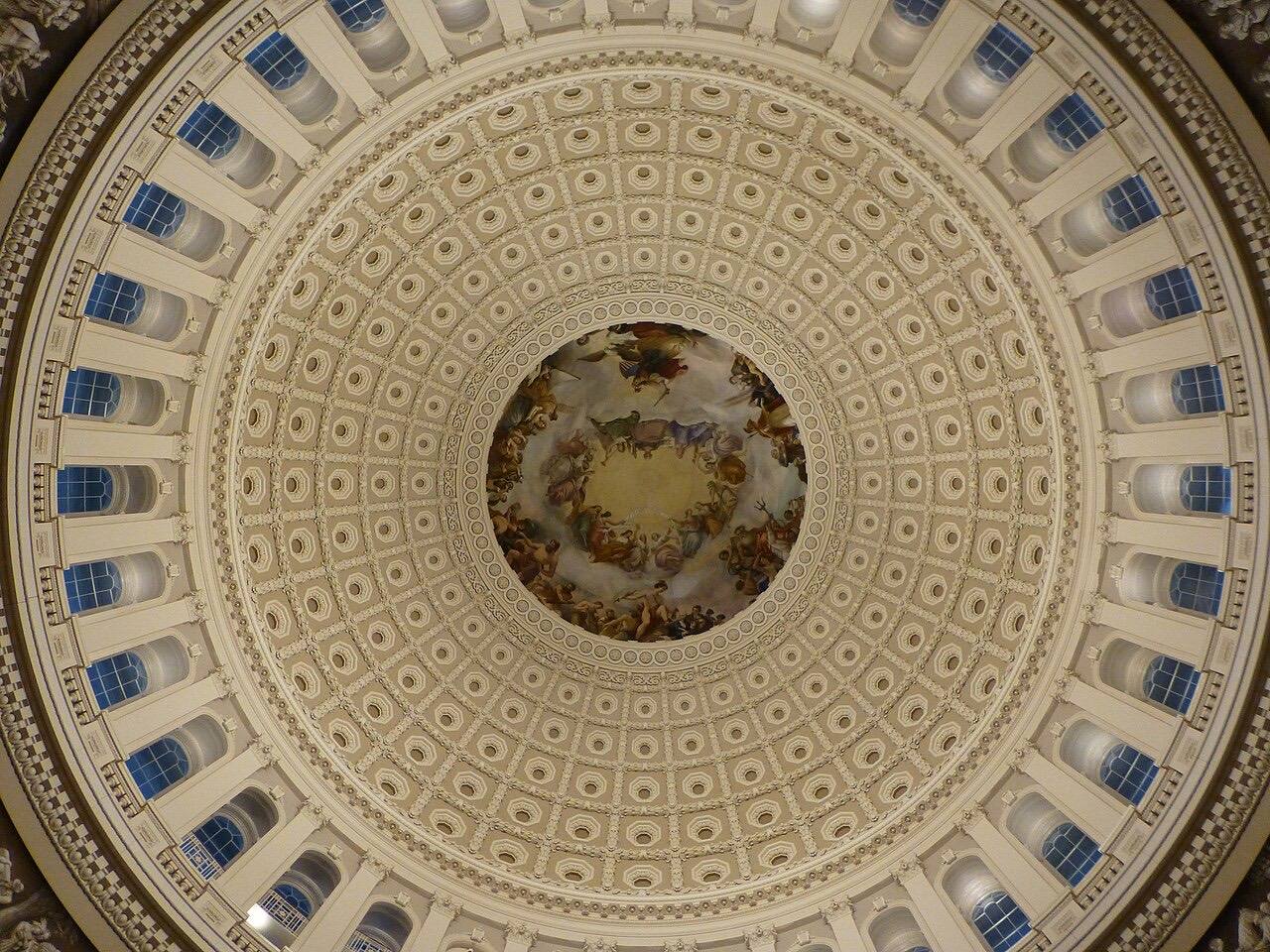
The Price of Politics
As voters head to the polls, the airwaves are filled with the glossy promises of candidates, but behind those promises lies the murky world of campaign finance. The 2014 elections have highlighted not only the massive sums of money being funneled into campaigns but also the distressing reality that much of this financing is obscured from the public eye.

The recent Supreme Court ruling in McCutcheon v. FEC has further complicated the landscape. This decision allows individuals to contribute unlimited amounts to political candidates and parties, raising concerns about the disproportionate influence of wealthy donors. The left has decried this as a travesty, labeling it a ticket to oligarchy, while the right champions it as a victory for free speech. Both sides, however, often overlook the critical issues that arise from such a system.

Silent Partners
On one hand, the left's outrage is palpable. Advocacy groups have taken to the streets, rallying for campaign finance reform and transparency. Their calls for a constitutional amendment to curb the influence of money in politics resonate with many disillusioned voters. Yet, in their fervor, they often fail to acknowledge the complexities of the political ecosystem they inhabit. For instance, while pushing for more transparency for donations, they sometimes ignore the ways in which their own fundraising tactics can mirror those of their opponents.
Meanwhile, the right has embraced the new norms with gusto, arguing that more money in politics invigorates competition and enhances voter choice. However, this perspective can lead to an insidious disregard for the electoral process itself, where the focus shifts from candidate qualifications and policy to the depth of one's wallet. The danger here is a political environment where only the loudest and wealthiest can make their voices heard, effectively drowning out the average voter.
Disillusionment in the Middle
Amidst the shouting matches between the extremes, a troubling trend emerges: a growing disillusionment among the electorate. Voters are left feeling as though their voices are drowned out by the cacophony of special interests and super PACs. Many Americans are left to wonder whether their votes truly matter when the outcome appears to be predetermined by those with deep pockets.
"In a time when the stakes are higher than ever, it is crucial that we take a step back and evaluate the system that governs our democracy."
Moreover, the conversation around campaign finance often neglects the role of grassroots movements and small donors. Recent elections have shown that a well-organized campaign can leverage small donations effectively, but this narrative is often lost in the noise. The obsession with mega-donors detracts from the potential of ordinary citizens to influence elections, creating a skewed perception of political engagement.
A Call for Dialogue
As we sift through the debris of yet another election cycle, it is imperative to engage in a genuine dialogue about campaign finance. Both sides must acknowledge the excesses of their own practices while working toward a more equitable system. It is not enough to point fingers at the opposition; a meaningful conversation requires introspection and a willingness to tackle uncomfortable truths.
Campaign finance is not merely a procedural issue; it is a fundamental aspect of our democracy that deserves careful scrutiny. As we move forward, we must demand accountability not just from candidates but from the systems that support them. Only then can we hope to create a political landscape that reflects the will of the people, rather than the whims of the wealthy few.
Moving Forward
The stakes are higher than ever as we approach future elections. It is incumbent upon all stakeholders - politicians, activists, and voters alike - to address campaign finance head-on. It is time to engage in a real conversation that transcends party lines and seeks a solution that benefits the democratic process as a whole.
✦ ✦ ✦