From the file. Written for the paper dated May 2014. Opened in the public stacks July 14, 2026.
In an era bustling with technological fervor, the recent breakthroughs in computing technology have sparked excitement across the scientific community and beyond. Yet, beneath the surface of this thrilling narrative lies a more mundane, yet crucial, mechanism that merits our attention.
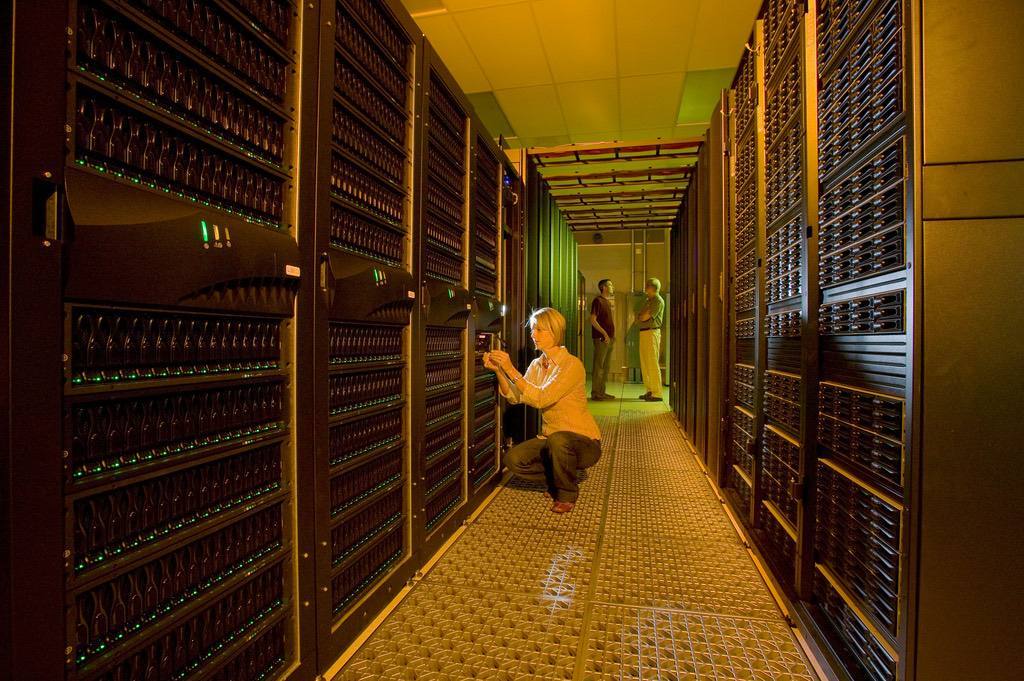
The Excitement of Breakthroughs
The announcement of a new computer architecture that promises unprecedented processing power has sent ripples through both the tech industry and everyday life. Companies are eager to harness this capability, aiming to enhance everything from data analysis to artificial intelligence. The promise of faster computations and more efficient algorithms creates an ideal backdrop for innovation, leading many to overlook the unexciting, foundational work that makes such strides possible.

While the headlines may focus on the flashier aspects - like the potential for machines to outperform human cognition - the reality is that these advancements often stem from improvements in the underlying mechanisms of computation. These include enhanced transistors, refined manufacturing processes, and more effective cooling systems, all of which are crucial yet decidedly less glamorous topics.

The Boring Mechanism Behind the Breakthrough
Understanding the mechanics behind these advancements reveals a narrative that is less about revolutionary leaps and more about incremental progress. For instance, the latest breakthroughs in quantum computing, while promising in their theoretical implications, rely heavily on traditional computing principles. The integration of superconductors and advancements in cryogenics have paved the way for experiments that showcase the potential of quantum bits or qubits.

However, it is essential to recognize that these technologies do not emerge in a vacuum. They depend on the robust frameworks established by engineers and scientists who labor in the shadows, often unseen and unrecognized. The unsung heroes of the tech world are those who toil away at the nuts and bolts of computer systems, ensuring that the flashy innovations can actually function as intended.
"The real breakthroughs often come from the steady, behind-the-scenes work that underpins the industry's most celebrated innovations."
The Left-Right Tech Debate
As we navigate the discourse surrounding technological advancements, it is crucial to recognize the polarized narratives that often emerge from the left and right. On one side, there are those who embrace the idea that technology is an unmitigated good, capable of solving all of humanity's problems. This perspective often glosses over the ethical implications and potential downsides of rapid technological change, including privacy concerns and job displacement.

On the other hand, critics from the right may argue that such advancements pose a threat to traditional values and economic stability. They warn against an over-reliance on technology, fearing that it could lead to a society that is disconnected from reality and human interaction. This perspective, while valid, can sometimes dismiss the potential benefits that technology can bring when harnessed responsibly.
Both extremes, in their fervor to champion their viewpoints, risk overlooking the nuanced realities of technological progress. The truth lies somewhere in the middle: while we should embrace the potential of innovation, we must also approach it with a critical eye, considering the implications of our choices.
A Call for Balanced Discourse
In light of these discussions, it is essential that we foster a more balanced discourse around technological advancements. We need to celebrate the breakthroughs while also appreciating the hard work that goes into making these innovations possible. Furthermore, we must engage in constructive dialogue that acknowledges both the opportunities and challenges that arise from these developments.
As we forge ahead into an increasingly complex technological landscape, it is our responsibility to approach the subject with nuance. We should not only seek to understand the flashy outcomes but also the tedious, yet vital, processes that underpin them. In doing so, we can better appreciate the true impact of technological advancements on our society.
Conclusion
As we stand on the precipice of a new era in computing, let us not forget the vital but unexciting mechanisms that make these breakthroughs possible. The tension between enthusiasm for innovation and the reality of its implications must be acknowledged and navigated with care. Only then can we truly harness the transformative potential of technology while safeguarding our values and future.
✦ ✦ ✦