From the file. Written for the paper dated May 2014. Opened in the public stacks July 14, 2026.
As the budget standoff drags on, the cacophony of partisan rhetoric often drowns out the dull but essential mechanics of government finance. The complexities of budget negotiation are frequently obscured by political grandstanding, leaving the average citizen confused and frustrated.
The Budgetary Ballet
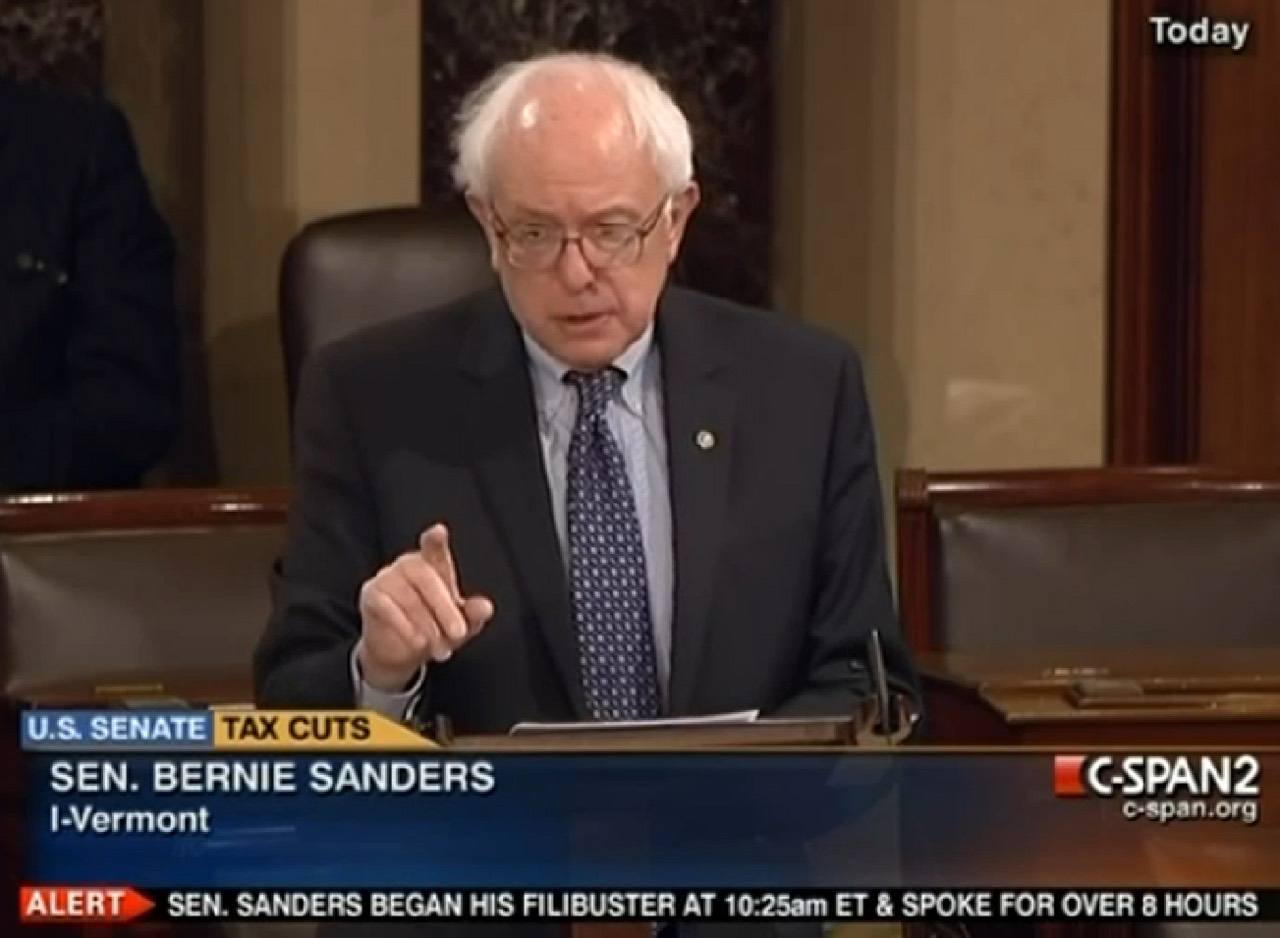
The current budget standoff in Washington is emblematic of a larger trend that has taken hold in American politics: a tendency to prioritize partisan posturing over substantive policy discussions. Both sides of the aisle have resorted to exaggerated claims and inflammatory rhetoric, as if the volume of their voices could somehow overshadow the underlying issues at play.
In recent weeks, we have witnessed an escalation of blame, with Democrats accusing Republicans of obstructing vital services and Republicans countering that Democrats are reckless spenders. Yet, at the core of the budget debate lies a more mundane truth: the mechanics of budgeting are inherently tedious and complex.

"The complexities of budget negotiation are frequently obscured by political grandstanding."
Consider the process itself. The U.S. federal budget is not a single document but rather a sprawling collection of appropriations, entitlements, and revenues that must be meticulously reconciled. It involves endless negotiations among committees, subcommittees, and party leaders. Each faction has its priorities and its constituencies to satisfy, leading to a labyrinthine process that often feels more like a game of chess than a straightforward financial plan.
The Role of Interest Groups
Adding to this complexity is the influence of interest groups and lobbyists who seek to sway the budget in their favor. These groups often amplify the noise, making it difficult for the average citizen to discern fact from fiction. For instance, while Democrats might highlight cuts to social programs as heartless, Republicans may frame the same cuts as necessary fiscal responsibility. Each side employs its own set of statistics and emotional appeals, further muddying the waters.
In an age where information is readily available, the challenge is not just misinformation but also the sheer volume of data presented in a way that serves specific agendas. Politicians on both sides of the aisle are skilled at cherry-picking statistics to bolster their arguments while ignoring the broader context.
For example, when discussing entitlement programs like Medicare or Social Security, Republicans often focus on long-term sustainability issues without acknowledging the immediate needs of beneficiaries. Conversely, Democrats may emphasize the human impact of budget cuts without delving into the fiscal realities that necessitate such decisions. Both approaches, while valid in their own right, can lead to a distorted public understanding of the budget process.
Finding Common Ground
Amid the din, it is crucial to remember that budget negotiations are not solely about partisan victories; they are about the effective management of taxpayer dollars. Finding a middle ground should be the ultimate goal, yet the current climate of animosity makes this increasingly difficult.
"Finding a middle ground should be the ultimate goal."
There exists a disheartening irony in this standoff: while both parties engage in a battle of wills, the real issues - rising national debt, infrastructure investment, and the growing disparity of wealth - remain unaddressed. The public is left to wonder whether their representatives are truly working for their interests or merely playing to the gallery.
Ultimately, the budget should be a reflection of national priorities and values. It should be a document that speaks to the needs of the populace, not a tool for political warfare. The challenge lies in cutting through the noise to engage in meaningful dialogue about what truly matters: the future of our economy and the well-being of our citizens.
✦ ✦ ✦