From the file. Written for the paper dated April 2014. Opened in the public stacks July 14, 2026.
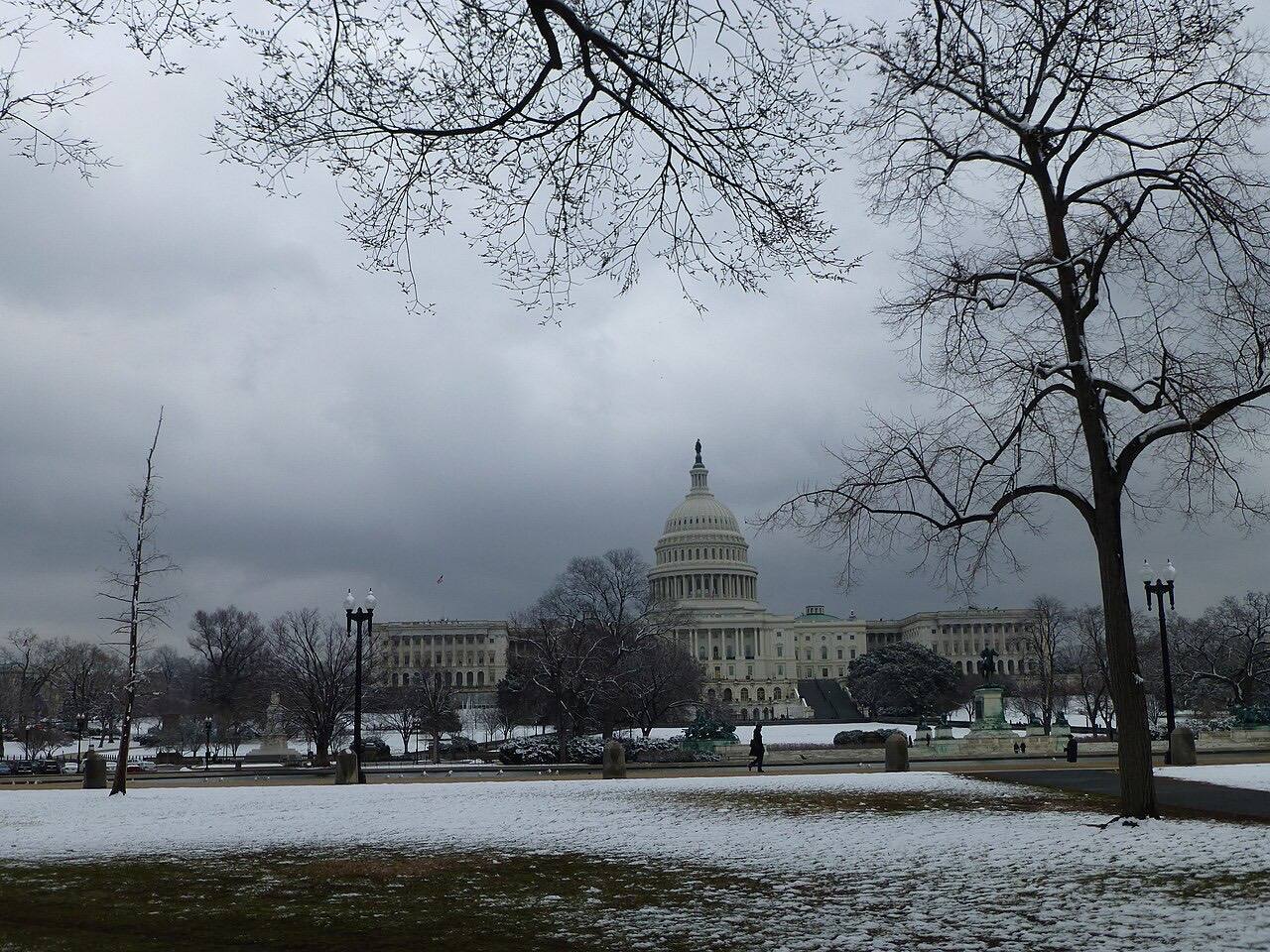
As the specter of a government shutdown looms, the battle lines drawn between the political left and right reveal a disturbing trend towards brinkmanship that prioritizes identity over evidence. The stakes are high, and the implications for governance are anything but trivial.
Understanding the Stakes
The debate over funding and fiscal responsibility has devolved into a series of political maneuvers that seem more focused on scoring points than addressing the pressing needs of the American public. The recent standoff between the parties has highlighted an unsettling reality: the extremes on both sides are willing to risk the stability of the government for the sake of ideological purity.
On one side, conservatives are rallying around a platform that emphasizes drastic cuts to social programs and a staunch opposition to any measure perceived as an expansion of government. Their rhetoric is often filled with alarmist claims about the dangers of government spending, painting a bleak picture of a nation on the brink of financial disaster. Yet, evidence suggests that such cuts can have dire consequences for the very citizens they claim to protect.
Conversely, progressives are quick to accuse their counterparts of reckless disregard for the welfare of the populace. They advocate for increased spending on social programs with a fervor that borders on dogmatism. This approach, while well-intentioned, often overlooks the need for fiscal responsibility and can lead to unsustainable debt levels. The left's willingness to dismiss evidence that contradicts their narrative is equally concerning.

"Brinkmanship should not be a hallmark of governance. We need leaders who prioritize evidence over identity."
The Human Cost of Political Gamesmanship
The human toll of this shutdown brinkmanship cannot be overstated. Federal workers face uncertainty as they watch their livelihoods hang in the balance, and essential services are jeopardized. The political theater surrounding budget negotiations has real-world consequences that affect millions of Americans who rely on government services for their daily lives.
It is disheartening to witness politicians engage in gamesmanship while many citizens are left to bear the brunt of their decisions. The urgent need for bipartisan cooperation is overshadowed by a culture of division and hostility. Rather than fostering dialogue and seeking common ground, both sides seem entrenched in their positions, unwilling to budge for the common good.

The Media's Role in the Narrative
The media, too, has a responsibility in this unfolding drama. Sensationalist headlines often focus on the most extreme voices within each party, amplifying the rhetoric of fear and division. This tendency to highlight the loudest opinions rather than the most reasonable solutions contributes to an environment where compromise seems impossible.
As reporters, we must strive to present a balanced view of the issues at hand. It is crucial to highlight the evidence behind policy proposals and hold leaders accountable to the facts, regardless of party affiliation. A healthy democracy relies on informed citizens who can engage with the complexities of governance beyond the simplistic narratives often presented in the media.
Moving Toward Constructive Solutions
To emerge from this cycle of brinkmanship, both parties must cultivate a willingness to engage with evidence-based policymaking. It is essential for lawmakers to set aside their identities as representatives of polarized factions and instead consider their roles as public servants committed to the welfare of all Americans.
Constructive dialogue is possible, but it requires humility and a recognition that compromise is not a sign of weakness but rather a mark of strength. The ability to listen, understand diverse perspectives, and work collaboratively is paramount in crafting effective legislation that truly serves the public interest.
Conclusion: A Call for Reason
As we navigate this tumultuous political landscape, let us remember that the art of governance is not about winning battles but about building a future where all citizens can thrive. The responsibility lies with both leaders and the media to foster an environment that values evidence over identity, prioritizing the needs of the populace over partisan posturing.
✦ ✦ ✦