From the file. Written for the paper dated April 2014. Opened in the public stacks July 14, 2026.
As headlines about international trade disputes and maritime security fade, the complexities of shipping lanes remain critical to global commerce.

Understanding the Vital Arteries of Trade
Shipping lanes are often likened to the arteries of global commerce, transporting goods from manufacturers to consumers across vast oceans. Despite the implications of political rhetoric and sensational news coverage, the reality of shipping lanes is far more nuanced, requiring a dispassionate look at the evidence before embracing any identity politics surrounding trade.
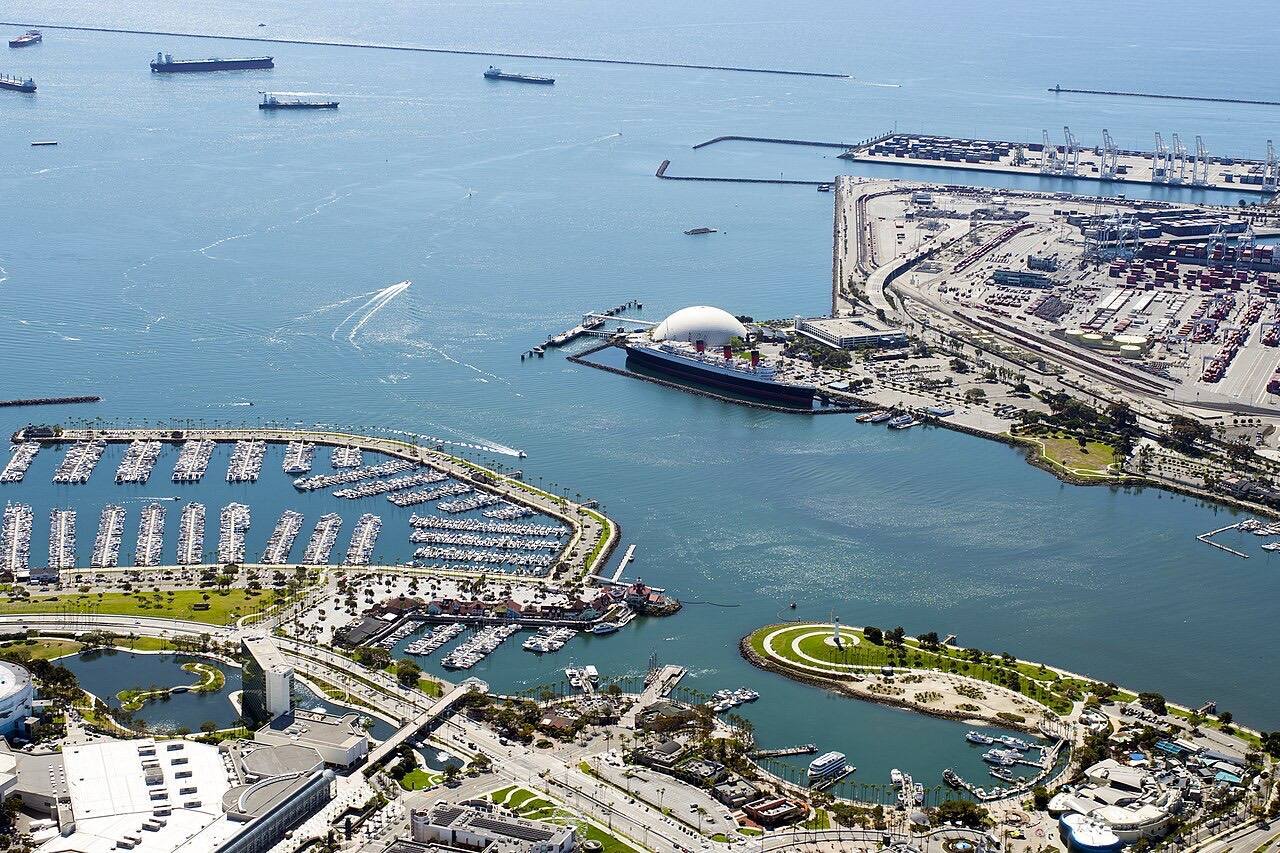
In April 2014, the world is witnessing a series of shifts in shipping patterns driven by geopolitical factors, economic conditions, and environmental regulations. The South China Sea remains a flashpoint, with increased military presence raising concerns over freedom of navigation. Meanwhile, the Arctic Route is beginning to emerge as a viable alternative due to climate change, prompting both excitement and trepidation.
"The evidence suggests that shipping lanes reflect more than just economic necessity; they embody the geopolitical realities of our time."
Left-leaning commentators often paint shipping lanes as mere symbols of corporate greed and capitalist exploitation. They argue that the prioritization of profit over environmental integrity and labor rights leads to a race to the bottom in terms of shipping practices. This perspective, while highlighting important issues, sometimes overlooks the complexities that shipping companies face in balancing costs, regulations, and consumer demands.

On the other side of the aisle, some right-leaning voices tout the notion of "free trade" without acknowledging the consequences that come with it. The call for deregulation often ignores the environmental degradation and labor exploitation that may accompany a purely profit-driven approach to shipping. This simplistic view fails to recognize that a healthy shipping industry can and should coexist with responsible environmental stewardship and fair labor practices.
The Environmental Impact
As shipping lanes evolve, the environmental impact cannot be ignored. The International Maritime Organization (IMO) has been pushing for stricter regulations on emissions from ships, signaling a growing recognition of the shipping industry's contribution to global pollution. However, critics argue that these regulations may disproportionately affect smaller shipping companies that lack the resources to comply.

Furthermore, the push for cleaner shipping practices presents a challenge for the industry. Innovations such as cleaner fuels and more efficient vessels are essential, but they come at a cost. As the industry grapples with these changes, it becomes increasingly important to foster a dialogue that encourages responsible practices without stifling innovation and economic growth.
"Navigating the future of shipping requires a careful balance between economic growth and environmental responsibility."
Labor Rights and Global Standards
Labor rights within the shipping industry present another complex issue that often gets overshadowed by discussions about trade policy. The rise of globalization has led to increased competition, often resulting in companies seeking to cut costs by outsourcing labor to countries with less stringent labor laws. This, in turn, raises ethical questions about worker exploitation and the race to the bottom.
Efforts to improve labor conditions have been met with resistance from some sectors of the industry, which argue that imposing higher standards could lead to job losses and reduced competitiveness. However, ignoring labor rights in favor of cost-cutting measures can lead to significant backlash, undermining the very stability that global trade seeks to achieve.
Conclusion: A Call for Rational Discourse
As we continue to navigate the intricate world of shipping lanes, it is crucial that we move beyond partisan excesses and engage in a rational discourse that considers the evidence at hand. Both the left and the right have valuable points to contribute, but they must also acknowledge the complexities and interdependencies that characterize global commerce.
In the end, the future of shipping lanes will not be determined solely by ideological battles. Instead, it will depend on our ability to find a balance that prioritizes responsible practices, sustainability, and fair labor standards while still embracing the economic opportunities that global trade presents.
✦ ✦ ✦