From the file. Written for the paper dated April 2014. Opened in the public stacks July 14, 2026.
As the budget standoff continues in Washington, the rhetoric from both sides grows more heated, but a closer examination reveals that the underlying issues are often overshadowed by partisan identity politics.
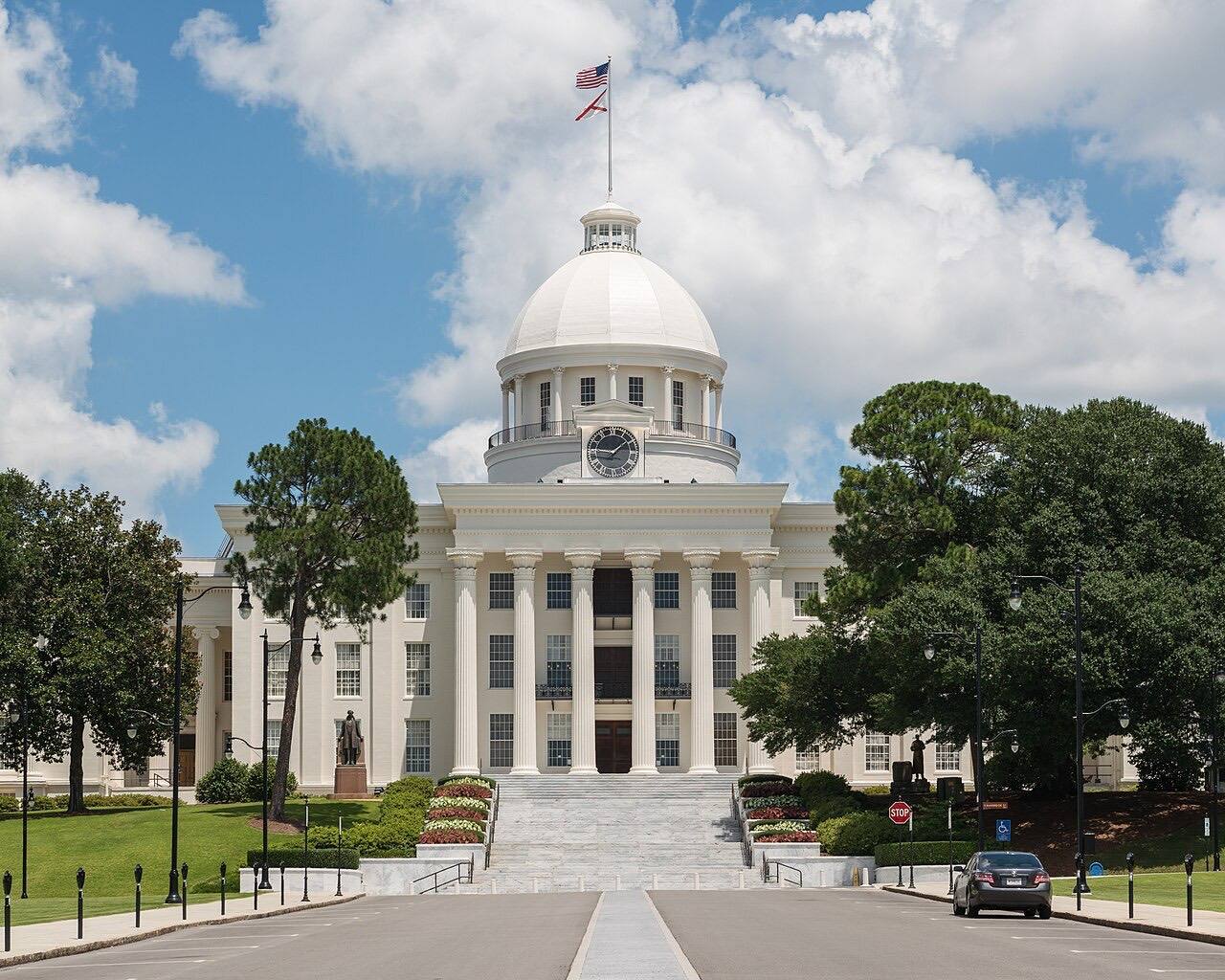
The Political Landscape
The ongoing budget negotiations have reached a fever pitch, with both Democrats and Republicans digging in their heels. Each side is quick to rally their base, using language that paints the other as the enemy. Yet, as the headlines flash and the news cycles churn, the substantive discussions about fiscal responsibility and the real implications of budget cuts often fade into the background.

On one side, the Democrats are advocating for what they call “necessary investments” in social programs. They argue that cutting funding for education, healthcare, and infrastructure would disproportionately hurt the most vulnerable segments of society. However, critics argue that such spending is unsustainable and that the party is more interested in maintaining a welfare state than promoting economic growth.
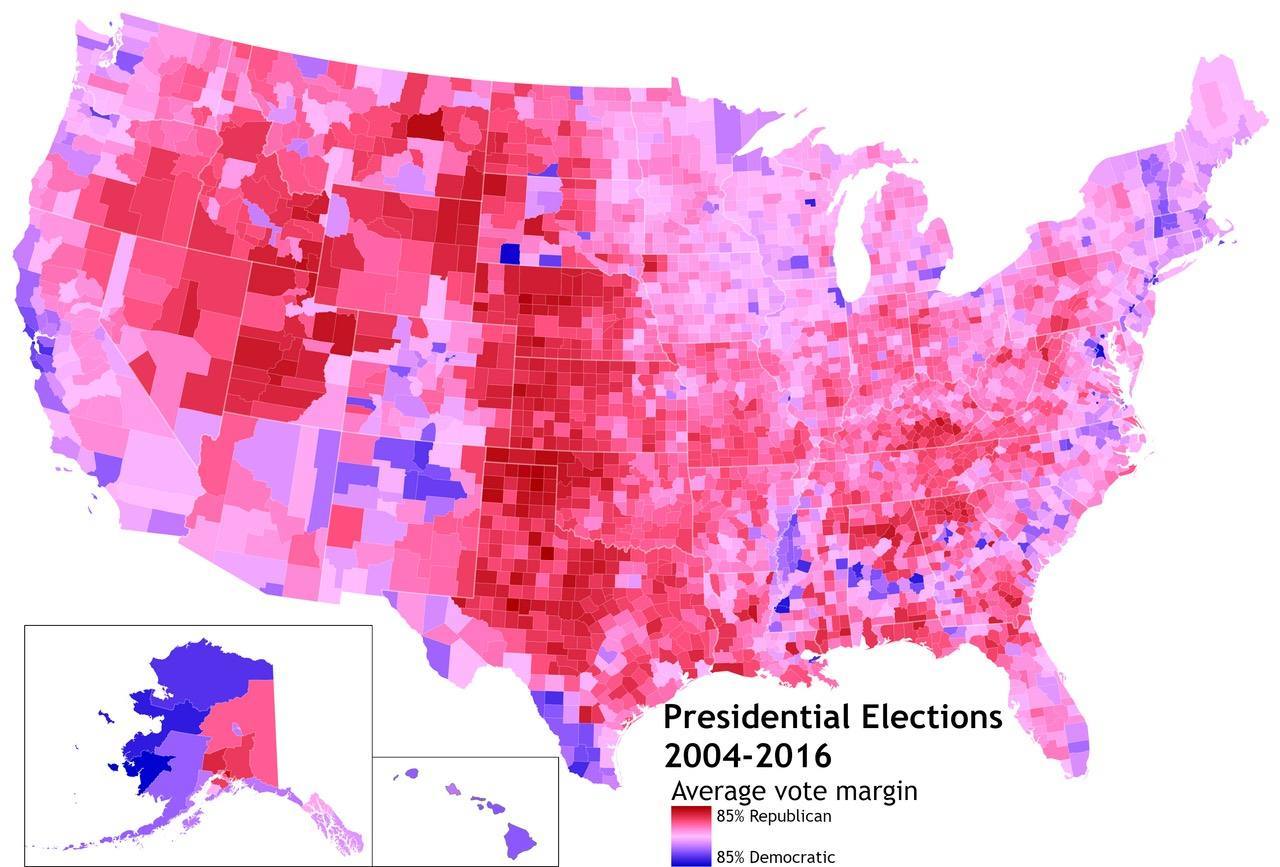
Conversely, Republicans are calling for stringent cuts and a balanced budget, framing their stance as a matter of fiscal responsibility. Many GOP lawmakers insist that the American people have had enough of government overspending and that it is time to tighten the belt. While their intentions may come from a place of fiscal conservatism, the party's approach often disregards the immediate needs of those affected by the cuts, leading to accusations of heartlessness and neglect.

“Both parties seem more concerned with winning the narrative war than finding real solutions.”
A Call for Evidence-Based Policy
What is needed now is a more evidence-based approach to policymaking. Both parties should prioritize the data and research that inform budget decisions rather than simply adhering to ideological principles or party lines. For instance, the debate surrounding healthcare funding should not only focus on who deserves coverage but also on effective ways to deliver that coverage within budget constraints.
Instead of engaging in a blame game, lawmakers should consider bipartisan efforts that draw on successful models from both sides of the aisle. The public is weary of the gridlock that has come to define Congress, and a cooperative spirit could pave the way for more thoughtful financial planning that benefits all Americans.

The Impact on Average Americans
The budget standoff is not just a political game; it has real consequences for everyday Americans. As negotiations stall, crucial programs face uncertainty. Families relying on nutrition assistance, education funding, and job training programs are left wondering about their futures. These are not just statistics; they represent lives hanging in the balance.
Rhetoric Over Reality
The political climate is saturated with hyperbole. Politicians frequently resort to extreme language, painting each other as either saviors or villains. This rhetoric not only clouds the real issues but also contributes to a growing divide among the populace. When the focus shifts to demonizing the opposition rather than solving problems, it creates an environment where compromise becomes nearly impossible.
The left’s emphasis on compassion and social justice must also confront the realities of budget constraints. It is not enough to simply advocate for more spending without a clear plan for how to fund it sustainably. Likewise, the right must recognize that while fiscal responsibility is crucial, it cannot come at the expense of essential services that millions depend on.
Moving Forward
As the standoff drags on, the American public deserves better than partisan posturing. Lawmakers must prioritize the evidence before identity, focusing on the data and realities that affect constituents rather than their electoral bases. A solution is possible if both sides are willing to engage in meaningful dialogue that transcends party lines.
Ultimately, the budget should reflect the values of the nation - not just the values of those in power. A balanced approach that considers both fiscal prudence and social responsibility could lead to a budget that serves the interests of all Americans, rather than just a handful of ideologues.
✦ ✦ ✦