From the file. Written for the paper dated March 2014. Opened in the public stacks July 14, 2026.
Amid increasing scrutiny on lab safety practices, the contrast between public claims and the documented reality raises serious questions about accountability in scientific research.
Public Claims of Safety
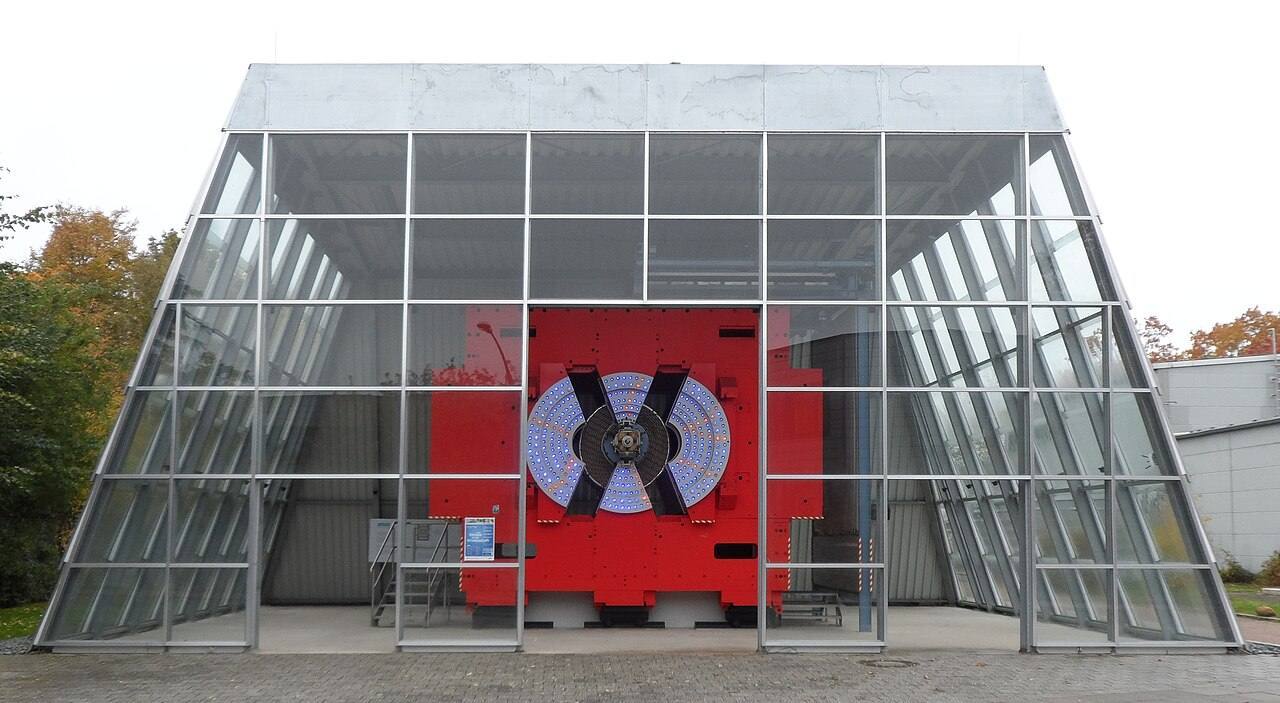
In recent months, numerous institutions have publicly reaffirmed their commitment to maintaining the highest standards of safety in laboratories. This is particularly vital as we witness a surge in biotechnology and chemical research, fields that inherently carry risks. Universities and private labs alike boast of their state-of-the-art safety protocols, comprehensive training programs, and rigorous compliance with federal regulations. Officials often highlight their investment in safety technology as a testament to their commitment to protecting both researchers and the communities surrounding their facilities.
Documented Reality
However, a closer examination of incidents reported in the media and safety records reveals a troubling gap between rhetoric and reality. Just last month, a minor explosion in a university lab went largely unreported, overshadowed by a parallel announcement of a new safety initiative. While no injuries occurred, it raises the question: how often are incidents downplayed or concealed in an effort to maintain an image of infallibility?

“There is a culture of silence in some institutions when it comes to reporting safety breaches.”
Critics argue that this culture of silence can lead to a dangerous complacency. The National Institutes of Health (NIH) and other regulatory bodies have established guidelines and reporting requirements, but adherence can vary widely. Some institutions prioritize reputation over transparency, which can result in a lack of accountability and a failure to learn from past mistakes.

The Role of Oversight
Federal oversight plays a crucial role in ensuring lab safety, yet it is not without its flaws. The Occupational Safety and Health Administration (OSHA) has made significant strides in enforcing safety regulations, but its resources are often stretched thin. With thousands of labs across the country, oversight can become inconsistent. When violations do occur, the penalties may not be sufficient to deter future lapses.
Moreover, the complexity of research operations means that safety protocols must be tailored to specific environments and procedures. This presents a challenge for regulatory bodies attempting to implement one-size-fits-all solutions. Institutions may find themselves navigating a bureaucratic maze that hinders rather than helps safety efforts.
Calls for Reform
As discussions about lab safety continue, calls for reform are gaining momentum. Advocates for better safety practices are urging for enhanced training programs, mandatory reporting of incidents, and more robust oversight mechanisms. They argue that a culture shift is necessary - one that prioritizes safety as a fundamental value rather than a box to check.
In this environment, it is essential for researchers to feel empowered to report safety concerns without fear of retribution. Establishing channels for anonymous reporting could be a step toward fostering a culture of transparency. Furthermore, institutions could benefit from regular safety audits conducted by third-party experts, ensuring that safety measures are not only in place but effective.
Balancing Innovation and Safety
As the scientific community continues to push the boundaries of innovation, balancing the drive for progress with the imperative of safety is crucial. The stakes are high, and the potential consequences of negligence can be dire. Public trust hinges on the assurance that researchers are committed to not just advancing knowledge, but doing so responsibly.
Ultimately, the future of lab safety will depend on the ability of institutions to align their public statements with verifiable actions. Transparency, accountability, and a commitment to continuous improvement must become the cornerstones of laboratory culture.
Conclusion
In a climate where scientific research is more critical than ever, the integrity of lab safety cannot be compromised. The scientific community must confront its shortcomings honestly and take decisive actions to rectify them. Only then can we ensure that the pursuit of knowledge does not come at the expense of safety.
✦ ✦ ✦