From the file. Written for the paper dated February 2014. Opened in the public stacks July 14, 2026.
As weather patterns grow increasingly unpredictable, the reliance on weather models becomes paramount. Yet, it is the institutions behind these models that often dictate their reliability, raising questions about transparency and accountability in an era where public trust is essential.
Understanding Weather Models
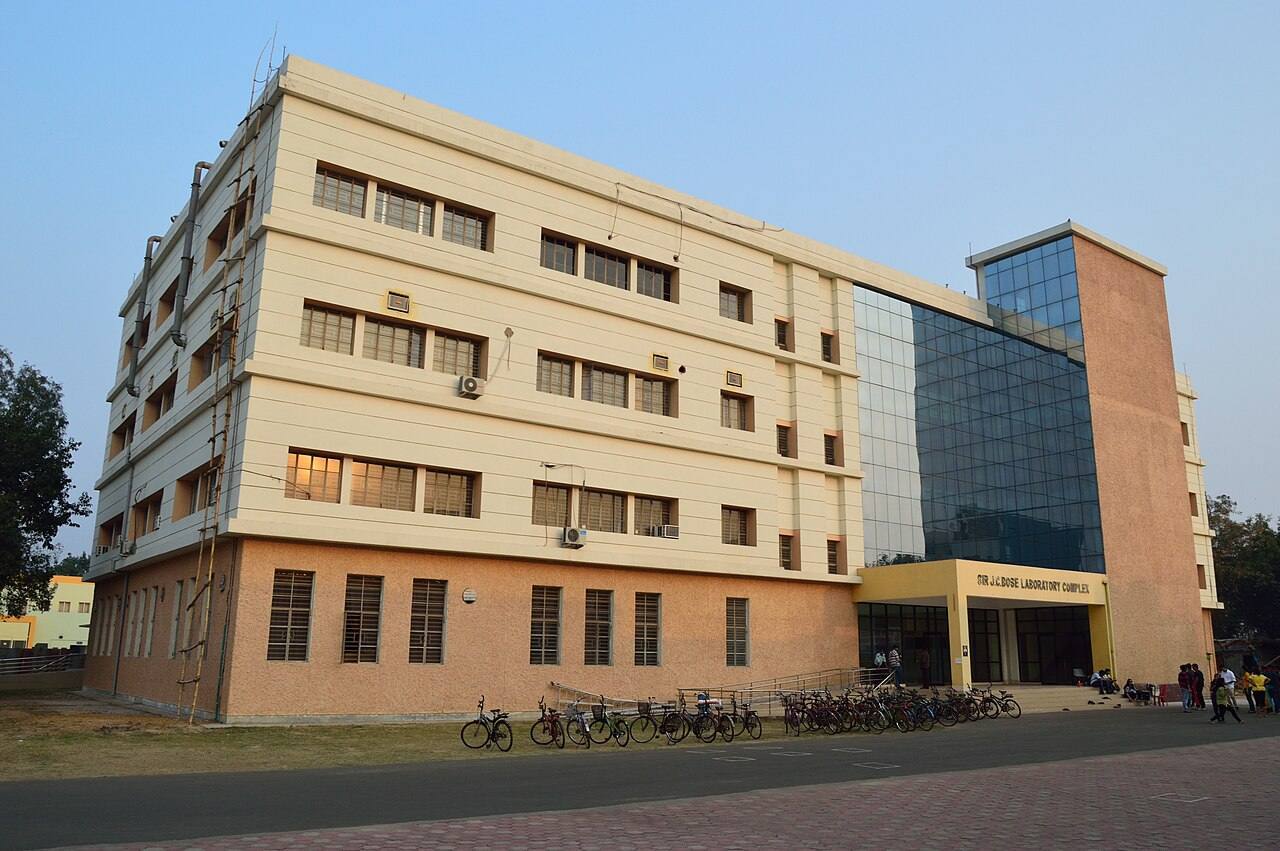
Weather models have become indispensable tools in forecasting, utilized by meteorologists to predict everything from sunny days to severe storms. These models simulate the atmosphere using complex mathematical equations and vast amounts of data. However, while the technology has advanced, the underlying institutions that develop and disseminate these models have sometimes faltered in their duty to the public.
The Role of Institutions
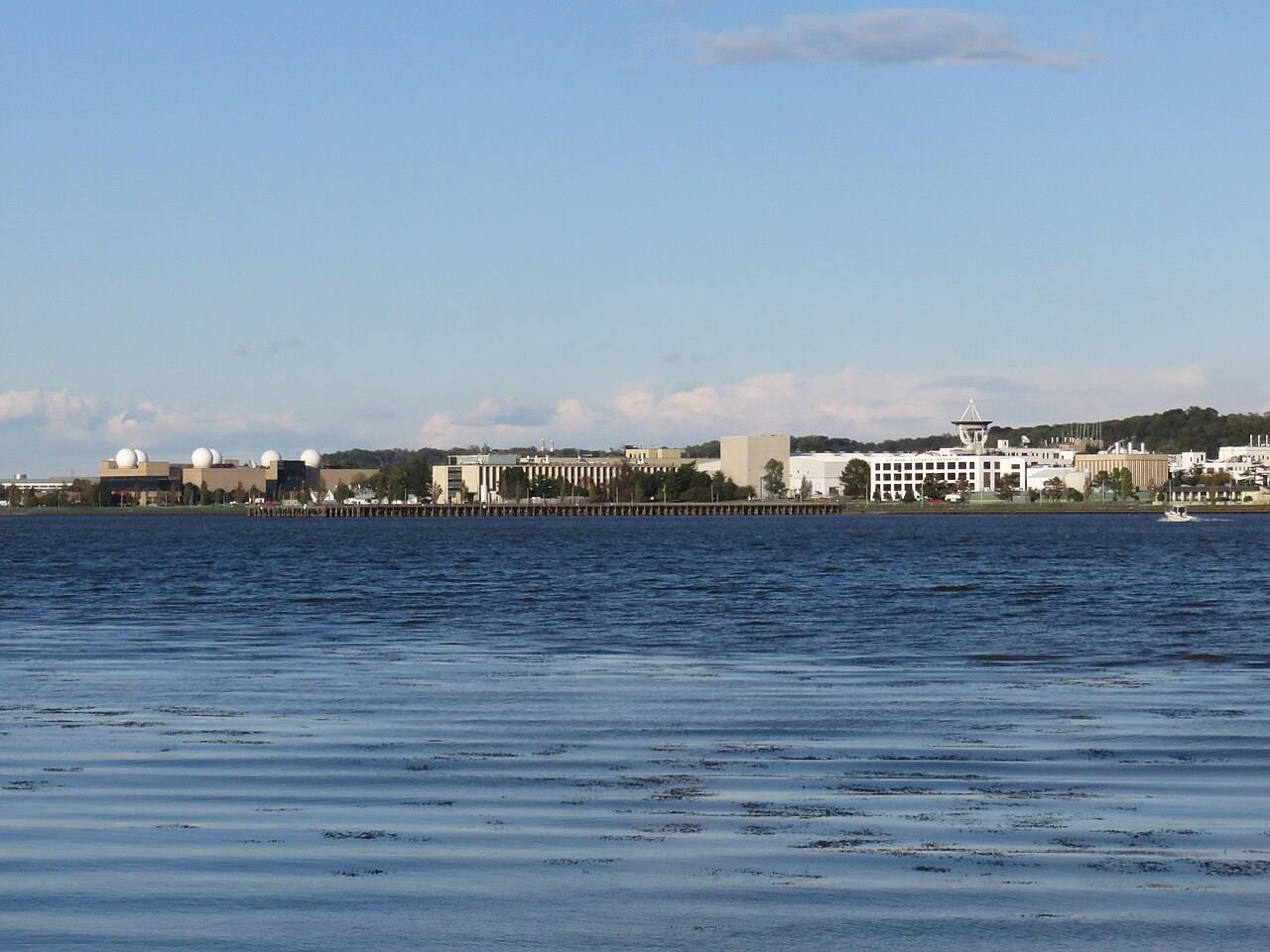
Institutions such as the National Weather Service (NWS) and private forecasting companies play critical roles in shaping our understanding of the weather. They gather data from satellites, weather stations, and ocean buoys to create these predictive models. But as these organizations strive to maintain credibility, they can also become defensive, prioritizing their institutional integrity over the public's right to know.
"In an age of rapid climate change, transparency in weather forecasting is not just a luxury; it's a necessity."
For instance, when models fail to predict significant weather events, the fallout can be severe. In the aftermath of such failures, institutions often focus on minimizing damage to their reputations rather than addressing public concerns. This can lead to a cycle of distrust, where the public becomes skeptical of forecasts, and institutions become increasingly guarded.
Excesses on the Left and Right
As we analyze the current landscape, it’s clear that both the left and the right have their own brands of excess when it comes to the discussion of climate and weather. On the left, the rhetoric has often skewed towards alarmism, presenting every extreme weather event as a direct consequence of climate change. While the scientific community agrees on the influence of climate change, the tendency to sensationalize can alienate those who are skeptical or simply wish to understand the data objectively.
Conversely, the right has often downplayed the urgency of climate change, framing it as a hoax or an overblown concern. This dismissal not only undermines genuine scientific discourse but also hampers the necessary reforms that could help mitigate future disasters. Both sides, in their extremes, contribute to a polarized environment where constructive dialogue is stifled.

The Need for Accountability
To restore trust, institutions must embrace transparency. This means not only releasing data but also openly discussing the limitations of their models. Public understanding can only grow when meteorologists and scientists engage with the community, explaining the intricacies of weather forecasting and the inherent uncertainties involved.
Bridging the Gap
As we navigate the complexities of weather forecasting, bridging the gap between scientists and the public becomes crucial. Educational programs that demystify weather models and their predictions could foster a more informed citizenry. Such initiatives could also mitigate the extremes we see in public discourse surrounding climate issues.
Moreover, institutions should consider partnerships with independent scientists and organizations to ensure a diversity of perspectives in forecasting. This collaborative approach could enrich the data and provide a more nuanced understanding of weather patterns, ultimately benefiting the public.
A Call to Action
As February unfolds and the weather continues to surprise us, it is essential for institutions to take a proactive stance in fortifying public trust. They must recognize that in a world increasingly affected by climate change, their role extends beyond mere forecasting; they are also educators and communicators.
In conclusion, as we rely more on weather models to navigate our lives, we must also demand accountability from the institutions behind them. By fostering a culture of transparency and collaboration, we can pave the way for more accurate forecasting and a more informed public, ultimately ensuring that we are better prepared for whatever weather patterns may come our way.
✦ ✦ ✦