From the file. Written for the paper dated February 2014. Opened in the public stacks July 14, 2026.
In the aftermath of high-profile laboratory accidents, the topic of lab safety often garners significant public attention. However, as the headlines fade, the question arises: how do institutions prioritize safety in a manner that protects their reputations and minimizes liability?
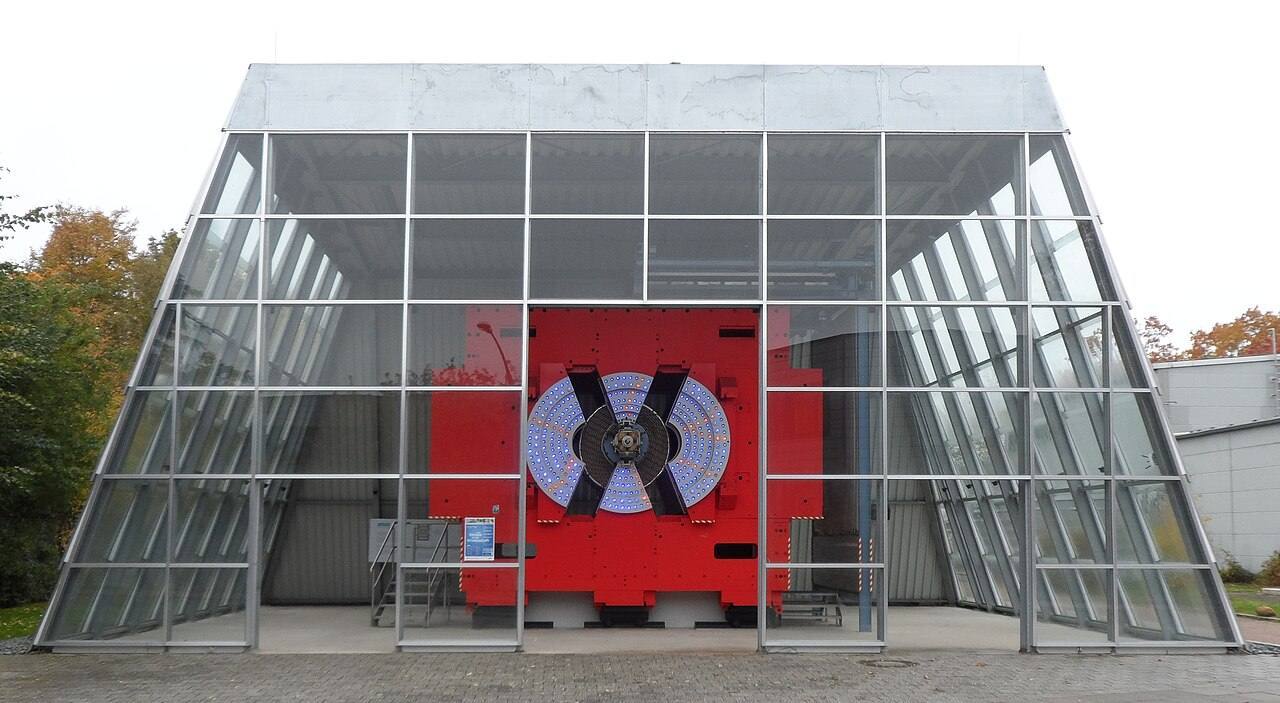
The Landscape of Lab Safety Regulations
In recent years, there have been several alarming incidents in laboratories across the United States, leading to increased scrutiny of safety practices. Whether it is a tragic explosion in a university chemistry lab or contamination in a biotech facility, these events not only threaten the lives of researchers but also raise concerns about institutional accountability. As a result, many institutions have responded by ramping up their safety protocols and regulatory compliance.
However, it is essential to consider whether these measures are genuinely aimed at enhancing safety or simply at protecting the institution's image. The challenge lies in striking a balance between effective safety practices and a culture that prioritizes risk management above all else.

The Reaction of Institutions
In the wake of accidents, many research institutions have implemented a series of new safety measures designed to reassure the public and regulatory bodies. These often include the hiring of additional safety officers, the adoption of stricter compliance protocols, and increased training for laboratory personnel. While these steps are undoubtedly necessary, they can also lead to an atmosphere of fear among researchers.

In some cases, the focus on compliance can overshadow the actual practice of science. Researchers may find themselves bogged down by paperwork and bureaucratic hurdles that stifle innovation. This excessive focus on liability protection can result in a culture of risk aversion, where scientists hesitate to pursue groundbreaking research for fear of repercussions. In this environment, the very essence of scientific exploration is put at risk.
“Safety measures are vital, but they should not come at the expense of scientific inquiry.”
Public Relations vs. Genuine Safety
It is also worth noting that many institutions have begun to leverage their safety initiatives as a means of public relations. By showcasing their commitment to safety through marketing campaigns, universities and research facilities can create a veneer of accountability that may not reflect the reality of their practices. This raises ethical concerns regarding the authenticity of their claims. Are these institutions genuinely committed to safety, or are they more interested in protecting their reputations?

Moreover, the pressure to maintain a pristine public image can lead to oversights in addressing systemic safety issues. Some institutions may cut corners during audits or training sessions, prioritizing appearances over substantive safety improvements. As the saying goes, “What gets measured gets managed,” and if the priority is on public perception rather than genuine safety, the potential for future accidents remains high.
Challenges in Achieving a Safety Culture
Creating a culture of safety within research environments is no easy feat. It requires not only the implementation of policies but also the genuine buy-in from all members of the institution. In many cases, the top-down approach adopted by institutions does not resonate with those on the ground. Researchers may feel disconnected from the safety protocols imposed upon them, leading to a lack of adherence to the very measures designed to protect them.
Moreover, researchers often work under significant pressure to produce results, which can lead to shortcuts in safety practices. The desire for publication and grant funding can overshadow the importance of following safety protocols, creating a precarious situation. Institutions must thus cultivate an environment where safety is valued equally with productivity, a challenging balance to achieve.
Regulatory Landscape and Future Directions
The regulatory landscape surrounding laboratory safety is complex and often fragmented. Various federal and state agencies oversee different aspects of safety, leading to a patchwork of regulations that can confuse institutions. As a result, many institutions may find themselves struggling to comply with multiple, sometimes conflicting, requirements.
Moving forward, there is a pressing need for a more cohesive approach to laboratory safety regulation. This could involve the establishment of unified safety standards across institutions, providing a clear framework that fosters accountability without stifling innovation. Collaboration between institutions, regulatory bodies, and researchers is essential for creating a safety culture that is both robust and conducive to scientific advancement.
Conclusion
As laboratory safety continues to be a pressing issue, it is crucial for institutions to reflect on their motivations and practices. While compliance with safety regulations is essential, it should not come at the expense of scientific inquiry or the well-being of researchers. A genuine commitment to safety, one that prioritizes both protection and innovation, is the only way forward for institutions seeking to navigate the complex landscape of lab safety.
✦ ✦ ✦