From the file. Written for the paper dated January 2014. Opened in the public stacks July 14, 2026.
In the age of hyper-partisanship, the concept of oversight has become a battleground for political theater rather than a mechanism for accountability and governance. Both sides of the aisle have their own agendas, which distort the true purpose of oversight and lead to a failure to serve the American people.
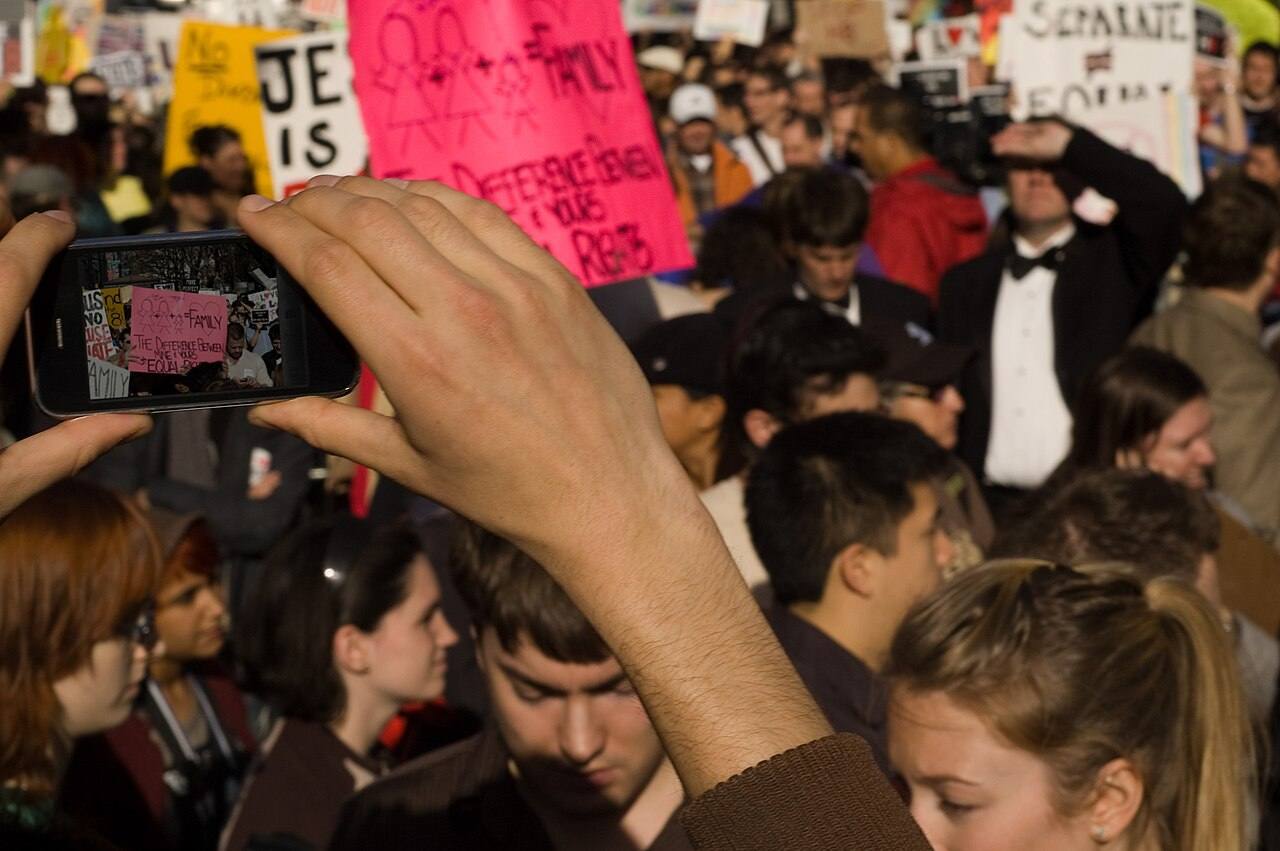
The Role of Oversight in Governance
Oversight is a fundamental element of our democratic system, designed to ensure that government operations are transparent, accountable, and effective. It serves as a check on the powers of the executive branch, allowing Congress to monitor and evaluate the actions of federal agencies. However, in recent years, this essential function has become overshadowed by political maneuvering and partisan agendas.
On one side, we see the left embracing oversight as a tool to challenge the actions of the current administration, often without a clear understanding of the underlying issues or the complexities involved. This approach can lead to sensationalism and witch hunts rather than constructive criticism. The focus often shifts to scoring political points rather than addressing legitimate concerns that may arise from government actions.

Right-Wing Excesses and Their Consequences
Conversely, those on the right tend to view oversight as an infringement on executive power. The fixation on promoting a free-market ideology and limiting government intervention often results in a reluctance to engage in necessary scrutiny. In their quest to protect the sanctity of the executive branch, they risk overlooking malfeasance and corruption that could undermine public trust in government institutions.
This reluctance to hold the executive accountable can lead to a culture of impunity, where officials believe they can operate without fear of repercussions. When oversight is dismissed as an affront to authority, the potential for abuse increases, and the public's confidence in governance diminishes.
The Perils of Partisan Oversight
The current state of oversight in America highlights a troubling trend: the weaponization of accountability. Both parties have a vested interest in using oversight as a tool for their own gain. This has created a situation where the genuine needs of the public are often sidelined in favor of political posturing.
“The genuine needs of the public are often sidelined in favor of political posturing.”
Take for instance the recent hearings on various issues. Instead of fostering bipartisan cooperation to address pressing matters, we have witnessed grandstanding and divisive rhetoric that serves only to amplify existing tensions. As a result, critical issues such as healthcare, economic stability, and national security are often left unaddressed, as lawmakers are more concerned with their public image and party loyalty than with the welfare of their constituents.
Finding a Middle Ground
To restore the integrity of oversight, both parties must recognize the importance of collaboration and constructive engagement. It is essential for lawmakers to approach oversight with a mindset that prioritizes the common good over party loyalty. This requires a willingness to listen, compromise, and engage in good faith discussions to find solutions that benefit all Americans.
Moreover, oversight should not be viewed solely as a political tool. It must be grounded in facts and evidence, focusing on the substantive issues at hand rather than the political implications. This means moving away from sensationalism and embracing a more measured approach that prioritizes transparency while fostering accountability.
Incentives for Change
Both sides of the aisle must recognize that their incentives can align when it comes to oversight. The left can advocate for accountability without resorting to political theater, while the right can embrace scrutiny as a means to uphold their principles of limited government and transparency. By cultivating a culture of accountability that transcends partisan lines, lawmakers can work together to strengthen institutions and enhance public trust.
Conclusion: A Call to Action
As we move forward in this new year, it is imperative that lawmakers take a hard look at the role of oversight within our democratic framework. The time has come to prioritize the needs of the American people over the desires of political parties. By fostering a spirit of collaboration and accountability, both sides can work together to ensure that oversight serves its intended purpose: to protect and empower the citizens it was designed to serve.
✦ ✦ ✦