From the file. Written for the paper dated January 2014. Opened in the public stacks July 14, 2026.
As the debate around science education intensifies, both political parties are revealing their own brand of excesses, undermining the very principles they claim to uphold.
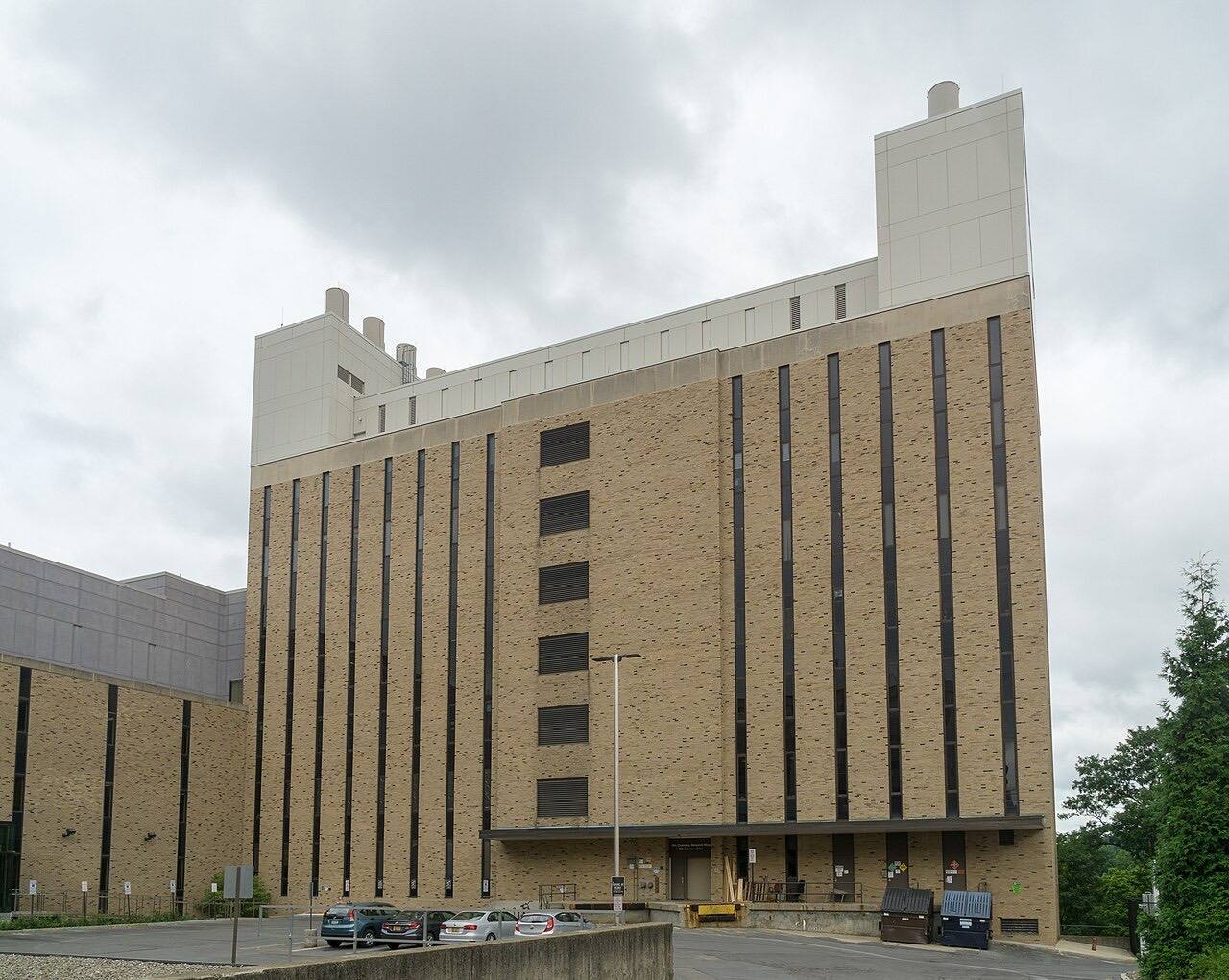
The Left's Approach: Emphasizing Inclusivity Over Rigor
The left has traditionally championed the cause of inclusivity in science education, advocating for a curriculum that reflects diverse perspectives. However, this well-meaning approach can sometimes devolve into a dilution of scientific rigor. When conversations about climate change, evolution, and other critical scientific topics are sidelined in favor of cultural sensitivity, students may emerge from the educational system lacking the robust understanding of science needed to navigate the complexities of the modern world.

For instance, the recent push in some school districts to teach alternative theories alongside established scientific consensus raises questions. While it is important to respect differing viewpoints, science education must prioritize empirical evidence and critical thinking over subjective beliefs. The potential consequences of this trend are alarming, as future generations may be ill-equipped to face challenges like public health crises or technological advancements.

The Right's Reaction: An Overemphasis on Traditionalism
On the opposite end of the spectrum, the right has reacted to these perceived leftist excesses with a fervent defense of traditional science education. This often manifests in an insistence on teaching only established scientific theories without room for debate. While it is crucial to uphold rigorous standards in science education, this approach can lead to an exclusion of critical discussions that allow students to engage deeply with the material.

Moreover, the right's emphasis on traditionalism can sometimes border on dogmatism, resisting any curricular changes that might reflect new scientific discoveries or evolving understandings. The rejection of programs that promote inquiry-based learning in favor of rote memorization does a disservice to students, stifling creativity and critical thinking skills. In a world that increasingly demands innovative solutions to complex problems, this rigidity could hinder America's competitive edge in science and technology.
“In a world that increasingly demands innovative solutions to complex problems, rigidity in science education could hinder America's competitive edge.”
The Need for a Balanced Approach
Both political extremes reveal a fundamental misunderstanding of science education's purpose. Rather than embracing an either-or mentality, we should strive for a balanced approach that values both inclusivity and rigor. Students should learn to appreciate diverse perspectives while also being grounded in scientific principles and methodologies.
Encouraging critical thinking and fostering curiosity about the natural world should be the cornerstone of any science curriculum. Educators must be empowered to explore innovative teaching methods that engage students without compromising scientific integrity. This may include hands-on experiments, interdisciplinary projects, and discussions that challenge students to think critically about the evidence presented.
Incentives and Accountability
Incentives play a crucial role in shaping the landscape of science education. The left often promotes funding for programs that expand access to science education, particularly in underserved communities. However, these initiatives must be coupled with accountability measures that ensure educational standards are not compromised. Without a clear framework for evaluating the effectiveness of these programs, we risk perpetuating a cycle of mediocrity.
On the right, there is a strong push for standardized testing as a means to hold schools accountable for their science education. While accountability is essential, an overreliance on testing can lead to a narrow focus on test preparation rather than true learning. Educators may feel pressured to teach to the test, sacrificing a more comprehensive understanding of scientific concepts in favor of rote memorization.
Conclusion: Bridging the Divide
It is crucial for educators, policymakers, and parents to come together to forge a path forward that bridges the divide between political extremes. Science education should not be a battleground for ideological warfare but a forum for fostering understanding, curiosity, and critical thinking. By prioritizing the needs of students over partisan agendas, we can ensure that future generations are equipped with the tools they need to thrive in an increasingly complex world.
✦ ✦ ✦