From the file. Written for the paper dated January 2014. Opened in the public stacks July 14, 2026.
As the debate over the judiciary vacancy unfolds, it is essential to examine the incentives driving both Democrats and Republicans in an increasingly polarized political landscape.
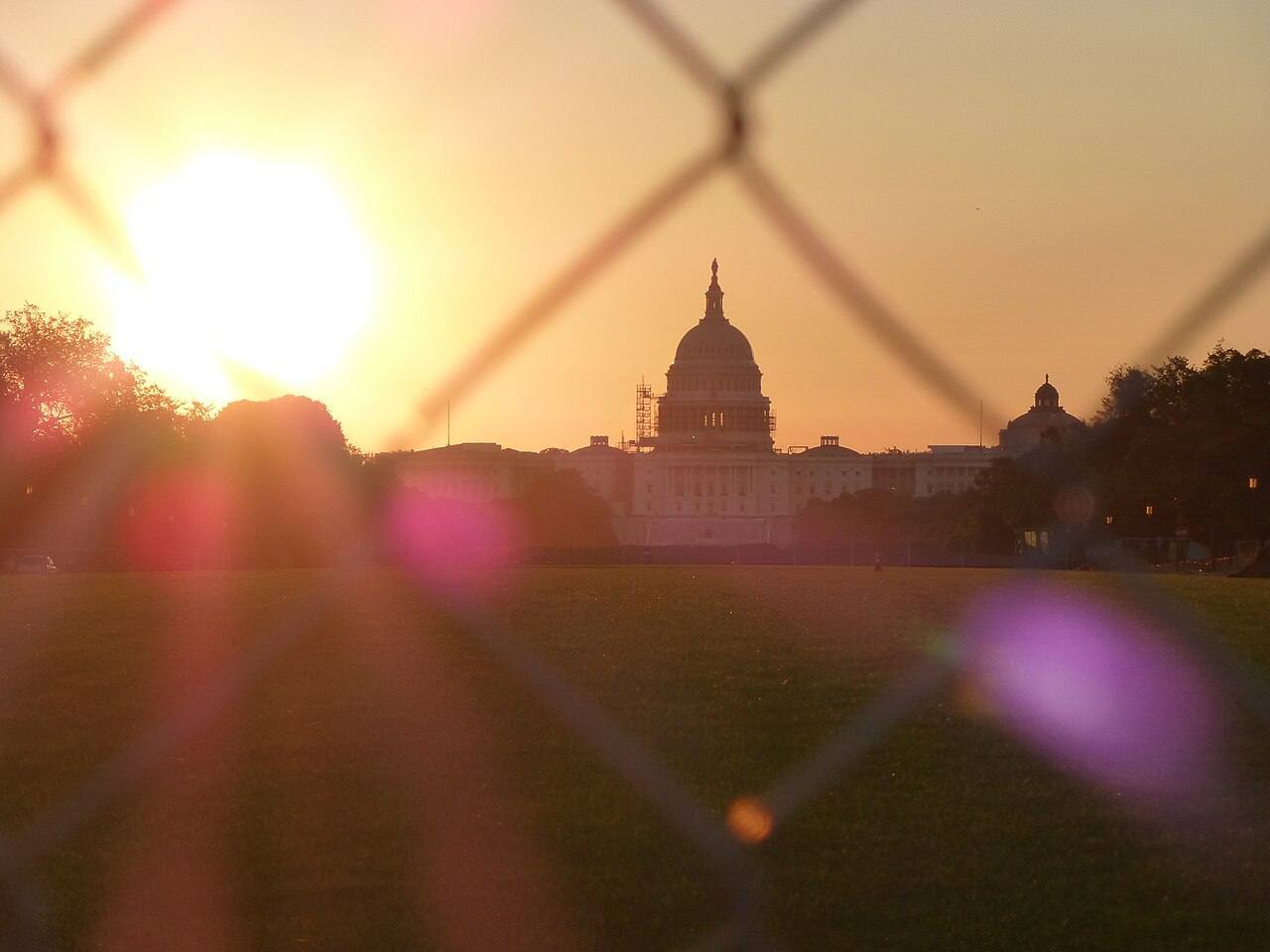
The vacancy on the federal judiciary has become a focal point in American politics, where the stakes are high and the implications significant. With the recent departure of a key judge, both parties are poised to leverage this opportunity to reshape the judicial landscape. Yet, the motivations behind their actions reveal much about the current state of American governance.
Democratic Incentives
With a fragile majority in the Senate, the Democratic leadership is eager to fill the vacancy with a nominee who aligns with progressive values. The judiciary has become a battleground for social issues such as healthcare, immigration, and civil rights. Democrats aim to secure a judge who will uphold the principles of the Affordable Care Act and protect minority rights, viewing this vacancy as a chance to bolster their agenda.

"The judiciary is not just a branch of government; it's a reflection of our values and priorities as a society."
However, the urgency to fill the vacancy also underscores a growing concern among Democrats: the possibility of losing control of the Senate in the upcoming midterm elections. With this looming threat, the pressure to confirm a nominee quickly is palpable. The fear of a Republican-controlled Senate potentially blocking judicial appointments makes the stakes even higher.

Republican Incentives
On the other side of the aisle, Republicans are equally motivated, albeit with a different agenda. The party has long championed a strict interpretation of the Constitution and seeks to appoint judges who reflect this philosophy. For them, the vacancy presents an opportunity to solidify a more conservative judiciary that can challenge recent Democratic policies.
Moreover, Republicans are aware that judicial appointments can have long-lasting implications. A conservative judge could influence cases for decades, affecting not only current legislation but setting precedents for future rulings. This potential to shape the judicial landscape is a powerful incentive, leading GOP leaders to strategize on how to block any Democratic nominee they perceive as too liberal.
"Judicial appointments are a game changer in politics, and both parties know it."
The Risks of Polarization
While both parties are pursuing their interests, the resulting polarization is alarming. The inability to compromise on judicial nominations reflects a broader trend in American politics, where partisan divides have intensified. This tension is not only detrimental to the functioning of the government but also to the public's trust in the judicial system.
When judicial appointments become a zero-sum game - where one party's gain is seen as the other party's loss - voters can lose faith in an impartial justice system. The judiciary should serve as an independent arbiter, not a political chess piece manipulated by partisan interests. As we witness this power struggle, we must ask ourselves: how can we restore balance and integrity to our courts?
Calls for Reform
In light of the ongoing battle over the judiciary vacancy, some voices are calling for reform in the nomination process. Suggestions range from modifying the filibuster rules to ensure timely confirmations to establishing nonpartisan commissions to vet judicial nominees. These proposals reflect a growing recognition that the current system is unsustainable and divisive.
Ultimately, addressing the incentives and motivations of both parties will be critical in shaping the future of our judiciary. The challenge lies not only in filling the vacancy but in restoring a sense of bipartisanship and respect for the judicial process. This moment presents an opportunity for both sides to rise above their partisanship and work towards a common goal: a judiciary that upholds the rule of law and serves the interests of all Americans.
✦ ✦ ✦