From the file. Written for the paper dated December 2013. Opened in the public stacks July 14, 2026.
As the nation wrestles with a series of scandals, it is essential to examine not only the events themselves but also the narratives crafted around them. In December 2013, both sides of the political spectrum seem more focused on exploiting these situations for political gain than on seeking the truth.

Scandals in the Spotlight
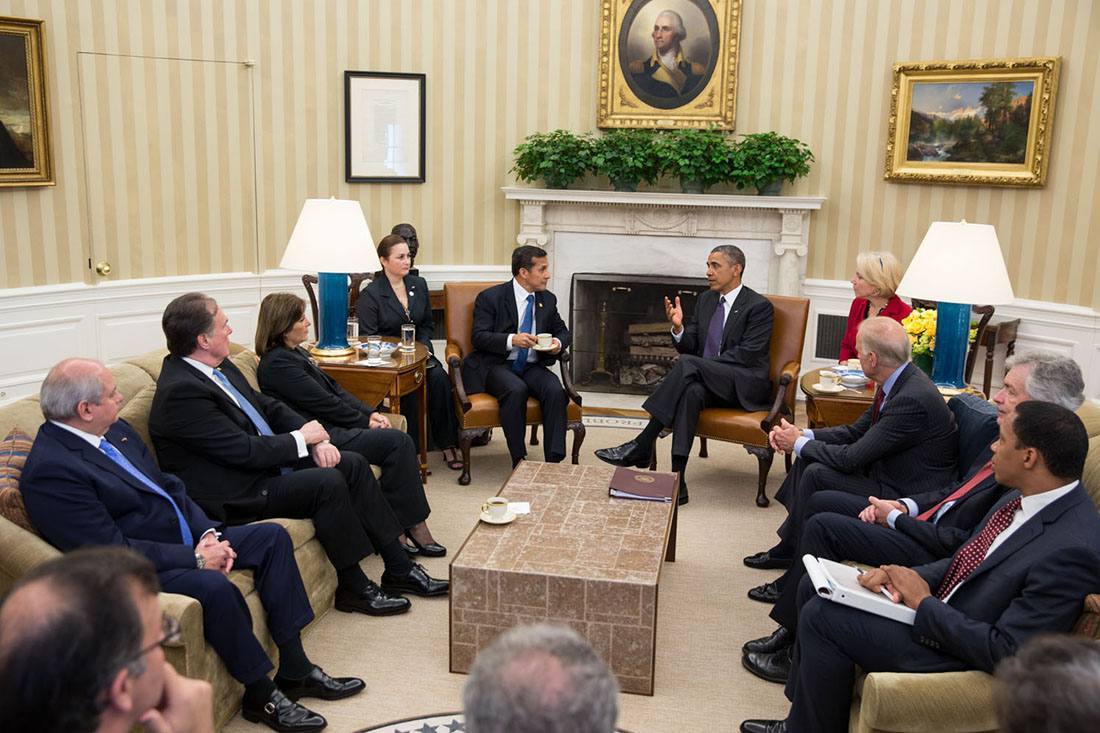
The recent controversies surrounding the Obama administration - ranging from the Affordable Care Act's rocky rollout to the allegations of NSA surveillance - have ignited a firestorm of debate. On the left, supporters of President Obama argue that the distractions are merely attempts by the right to undermine the administration’s agenda. They often paint the critics as reckless opportunists seeking to sow division and chaos. Yet, this defense can sometimes overlook the legitimate concerns raised by these scandals.
Conversely, the right has seized upon these scandals as proof of a larger narrative: that the Obama administration is rife with incompetence and disregard for constitutional rights. The rhetoric has often escalated to wild accusations, painting the President as a puppet master behind various nefarious plots. This approach not only undermines serious discussion but risks alienating moderates who might otherwise engage with the issues.
"When both sides retreat to their talking points, we all lose sight of the truth."
Narrative Over Substance
In the race to shape the narrative, key facts often get overlooked. For instance, while critics of the Affordable Care Act focus on the website's failures, less attention is paid to the millions of Americans who now have access to healthcare that they previously lacked. On the other hand, proponents of the law sometimes gloss over its technical shortcomings as mere bumps in the road, failing to acknowledge the frustration felt by many who are trying to navigate the system.
Similarly, the NSA revelations have polarized public opinion. The left tends to downplay the implications of mass surveillance, arguing that it is a necessary trade-off for national security. Meanwhile, the right pushes for drastic reforms, branding the administration as a threat to civil liberties. Both sides risk ignoring the nuanced discussions around privacy, security, and the appropriate limits of government power.
A Call for Accountability
It's not just about left versus right; it is about holding the government accountable. Many Americans are demanding transparency and genuine dialogue, rather than sound bites and party loyalty. While the media is often criticized for its role in sensationalizing events, it is also crucial to recognize that the public plays a role in this dynamic by consuming and sharing information that aligns with their pre-existing beliefs.
The media landscape is filled with echo chambers, where opinions are reinforced rather than challenged. This environment makes it increasingly difficult for citizens to engage thoughtfully with complex issues. Both sides must recognize that truth is often found in the gray areas rather than the black and white of political rhetoric.
The Way Forward
As we move forward, it is imperative that we demand more from our leaders and ourselves. Engaging in honest discussions that transcend party lines is essential if we hope to address the systemic issues that these scandals expose. Politicians must be held accountable not just for their actions but also for the narratives they propagate.
In this polarized climate, the challenge lies in breaking through the noise. Citizens are encouraged to seek out diverse perspectives and engage with the issues at hand, rather than simply accepting the narratives presented by their preferred political factions. The stakes are high, and the time for a clear-eyed examination of our political landscape is now.
✦ ✦ ✦