From the file. Written for the paper dated December 2013. Opened in the public stacks July 14, 2026.
In the ongoing conversation surrounding presidential pardon power, a deeper examination reveals what is often overlooked in the political discourse: the implications of unchecked authority and the narratives that shape public perception.

Pardon Power: A Constitutional Right or a Political Tool?
The power of the president to grant pardons is enshrined in the Constitution, a fact that many on both sides of the political aisle often cite when discussing its implications. However, the true nature and impact of this power frequently get lost amid the partisan debates that dominate the airwaves. While conservatives may champion the president's authority as a safeguard against judicial overreach, liberals often view it as a potential avenue for corruption and abuse.
As we reflect on recent examples, it becomes clear that the pardon power is not merely a constitutional formality; it represents a profound moral and ethical responsibility. The recent pardoning of individuals tied to political scandals has sparked outrage and calls for reform, yet the underlying issues remain largely unaddressed. The core of the matter is not simply who is being pardoned, but why these decisions are made and what they signify for our legal system.
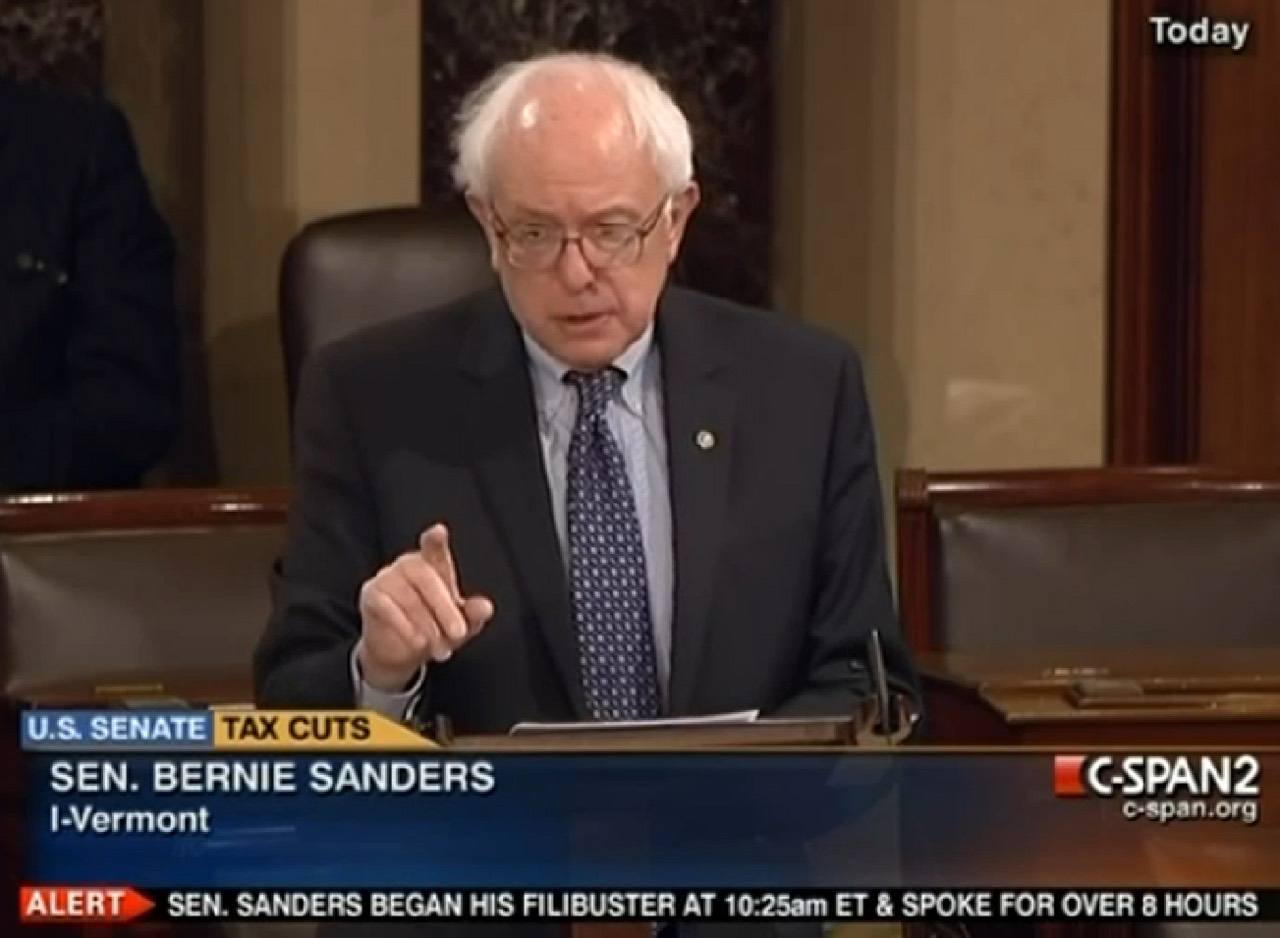
"Pardons should not be a reflection of partisan favoritism, but a commitment to justice and accountability."
Critics from both ends of the spectrum argue that the pardon power can be weaponized to serve political agendas rather than uphold justice. On the left, there is a growing sentiment that the executive branch’s ability to overlook crimes undermines the rule of law. Meanwhile, on the right, some argue that the president’s discretion is essential for correcting judicial errors, especially concerning non-violent offenses.
Yet, in the cacophony of partisan rhetoric, the broader implications of pardoning practices often fade into the background. Some pardons, particularly those granted to wealthy individuals or political allies, raise serious questions about the integrity of our justice system. When the public perceives that justice can be bought or influenced by power, the very foundation of our democratic principles is threatened.
The Role of Media in Shaping Perspectives
Another critical aspect that often gets sidelined in discussions about pardon power is the role of the media. The framing of pardon cases can significantly affect public perception, often reducing complex legal and ethical questions to simple narratives. This binary perspective - hero versus villain - does a disservice to the nuances involved in each case. For instance, the portrayal of pardons as purely political maneuvers can overshadow the legitimate grievances that some individuals may have within the justice system.
Media outlets frequently sensationalize pardon cases, focusing on the most scandalous details while neglecting to explore the systemic issues that lead to such decisions. This lack of comprehensive reporting can create a skewed understanding of the pardon power, leading to a public that is more reactive than informed. A more nuanced approach would involve dissecting not only the decisions themselves but also the broader context in which they occur.
Finding Common Ground
In an era marked by extreme partisanship, it is crucial to find common ground on the issue of pardon power. Both sides of the political spectrum can agree that the current system requires transparency and accountability. Calls for reform have emerged, suggesting that a more structured process for granting pardons could mitigate the potential for abuse and restore public faith in the justice system.
Moreover, there is a need for increased public engagement in discussions about pardon power. Citizens should feel empowered to voice their opinions and advocate for a system that prioritizes justice over political expediency. Engaging the public through forums, town halls, and educational initiatives can foster a more informed electorate that demands accountability from its leaders.
Conclusion: A Call for Responsible Use of Pardon Power
The pardon power is a double-edged sword that can be used for both good and ill. As we navigate the murky waters of political influence and justice, it is essential to remain vigilant about the implications of these decisions. Whether viewed as a necessary tool for correcting wrongs or as a potential instrument of corruption, the pardon power demands scrutiny and responsible use. The American public deserves a system that reflects our highest ideals of justice, equity, and accountability, not one overshadowed by partisan excesses.
✦ ✦ ✦