From the file. Written for the paper dated November 2013. Opened in the public stacks July 14, 2026.
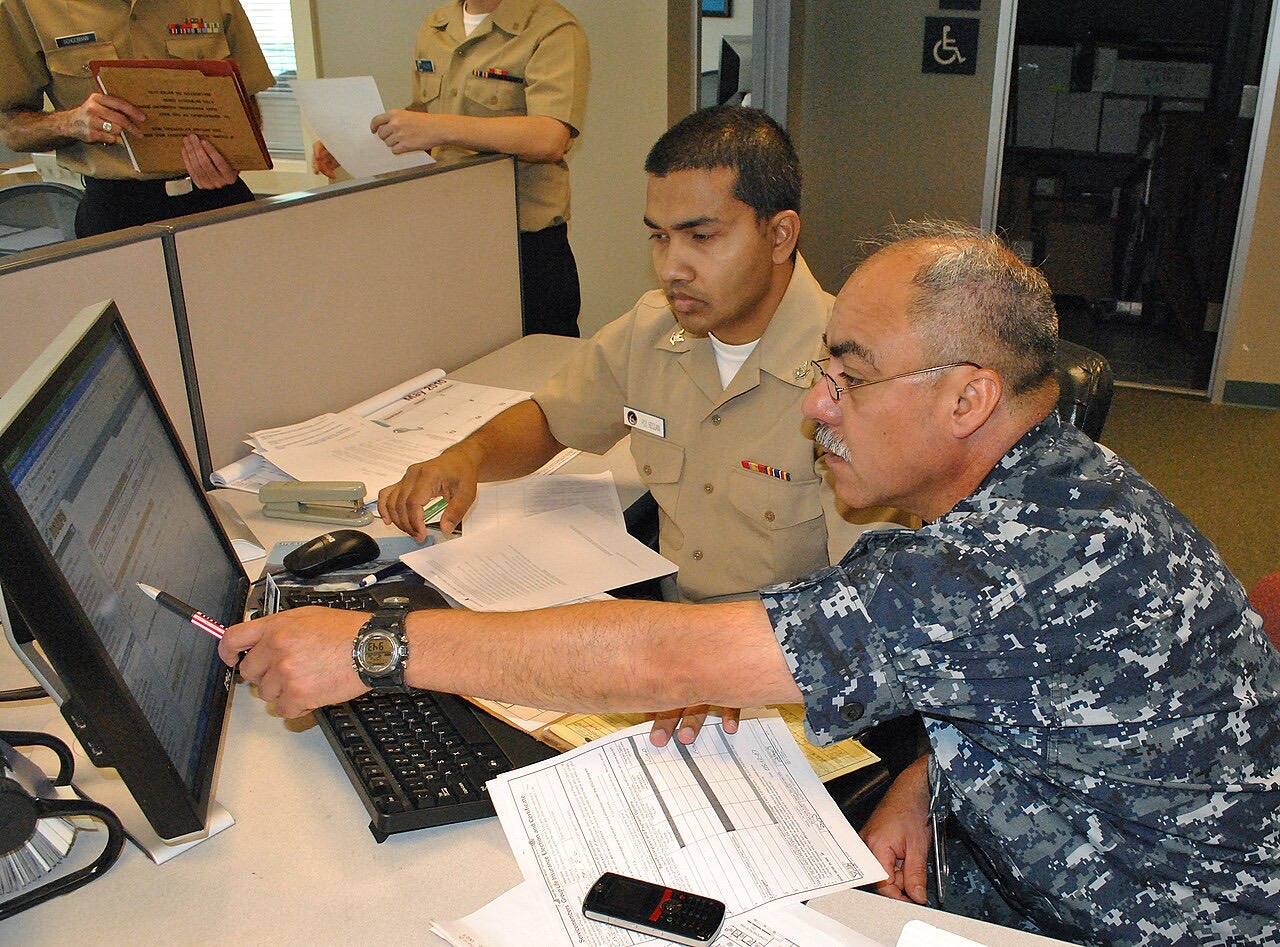
As we enter November, the conversation surrounding workplace injuries remains as pertinent as ever. Amidst the clamor of political rhetoric and economic discourse, it is crucial to focus on what the numbers are telling us about the state of workplace safety across various industries.
The Reality of Workplace Injuries
According to the Bureau of Labor Statistics, the latest data reveals that injury rates in certain sectors have seen a decline, yet the conversation often skews towards sensationalism, with both sides of the political spectrum using these statistics to advance their agendas. The reality is much more complex and requires a nuanced understanding that transcends partisan narratives.

On one hand, proponents of labor rights argue that despite the overall decline in injury rates, many workers still face hazardous conditions, particularly in industries such as construction and manufacturing. The statistics may illustrate a downward trend, but the underlying stories of those injured on the job often get lost in the debate.

Conversely, some business advocates point to the improved statistics as a sign that regulations are working, urging for a reduction in oversight and regulation. They claim that these improvements are a testament to the effectiveness of free-market principles, suggesting that businesses are naturally inclined to prioritize worker safety when faced with the potential for loss. However, this approach neglects the complexities of workplace dynamics and the ongoing challenges that many employees face.

“The numbers may show improvement, but behind every statistic is a human story that should not be forgotten.”
Industry Specifics
Examining individual industries reveals a mixed bag of results. In the construction sector, for example, falls remain the leading cause of fatalities. The numbers may suggest a slight decline in overall injury rates, but the tragic reality is that many workers still pay the ultimate price due to preventable accidents. This raises questions about whether enough is being done to ensure the safety of workers on these sites.
In contrast, sectors such as healthcare have seen a rise in reported injuries among workers, particularly from patient handling and workplace violence. This highlights a growing issue that is often overlooked in discussions about workplace safety. Advocates for healthcare workers argue that these injuries reflect systemic issues, including understaffing and inadequate training, which are frequently glossed over by those who wish to focus solely on broad statistics.
The Role of Regulation
The regulatory landscape plays an indispensable role in workplace safety, yet it is often the subject of heated debate. Critics on the left argue that current regulations are insufficient, while some on the right advocate for deregulation in the name of economic growth. The truth is that regulations need to be balanced - protecting workers while not stifling innovation and economic development.
In recent years, there has been a push for greater accountability from employers regarding workplace safety. While some regulations have been beneficial, the enforcement of these regulations often varies widely, leading to disparities in safety across different industries and regions. This inconsistency can create a false sense of security, as businesses may appear compliant on paper while failing to implement necessary safety measures on the ground.
“A balanced approach to regulation is essential for the safety and well-being of workers.”
Moving Forward
As we move deeper into November, it is essential for both business leaders and policymakers to engage in a constructive dialogue about workplace safety that goes beyond mere statistics. The human stories behind the numbers must be recognized and addressed. It is imperative to create an environment where safety is prioritized, not just as a legal obligation but as a moral imperative.
We must also consider the implications of workplace culture on safety. A culture that encourages open communication, where workers feel empowered to voice concerns without fear of retaliation, can lead to safer working conditions. This requires commitment from both employers and employees to work collaboratively towards improvement.
In conclusion, while the statistics surrounding workplace injuries can provide valuable insights, they should not be the sole focus of our discussions. A comprehensive understanding of the factors influencing these numbers - including industry-specific challenges, regulatory frameworks, and workplace culture - will be essential for fostering a safer working environment for all.
✦ ✦ ✦