From the file. Written for the paper dated October 2013. Opened in the public stacks July 14, 2026.
As scientists delve deeper into ocean surveys, the quest for certainty has become a focal point in the discourse surrounding climate change and marine conservation. Amidst competing narratives from both sides of the political spectrum, the urgency to clarify our understanding of the oceans is more critical than ever.
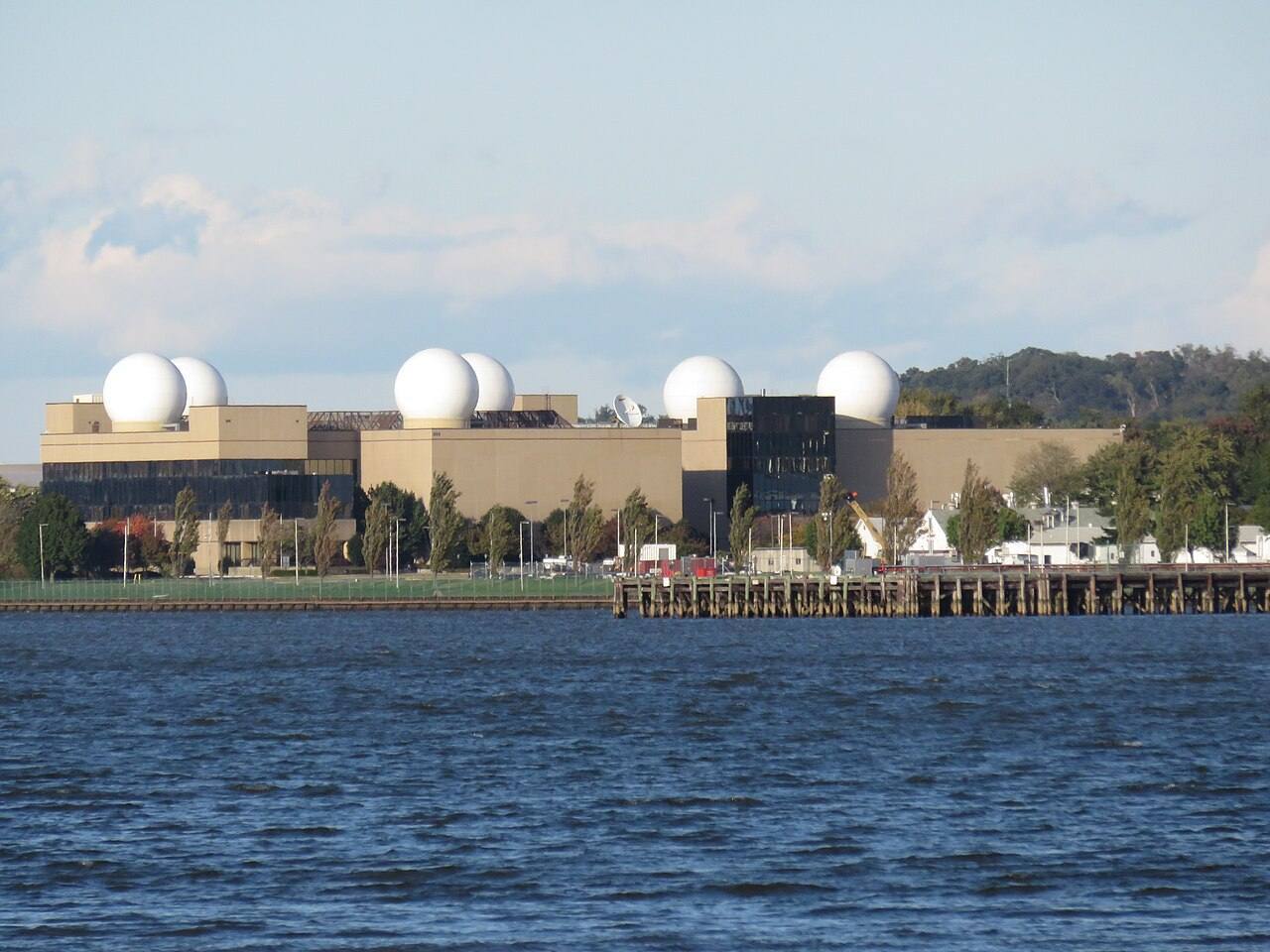
The Ocean's Call for Clarity
The oceans, which cover over 70 percent of our planet, are often touted as the last frontier for scientific exploration. Recent ocean surveys have highlighted alarming trends concerning marine biodiversity, sea level rise, and the effects of human activity on these vast waters. However, the interpretation of this data has sparked fierce debate, drawing the attention of both environmentalists and skeptics.
On one hand, environmental advocates argue that the data points to an undeniable crisis, invoking a sense of urgency that demands immediate action. They insist that the findings should galvanize public support for policy changes aimed at reducing carbon emissions and protecting marine habitats. This perspective is vital; without it, the political will to act could wane. Yet, it often leans into alarmism, overselling the narrative of doom while underestimating the capacity for human innovation and adaptation.

On the other side, climate change skeptics caution against hasty conclusions drawn from ocean data. They argue that while the surveys may provide evidence of change, the complexities of oceanic systems mean that certainty is elusive. This view emphasizes the need for more research before implementing sweeping policy changes, advocating for a measured approach rather than one dictated by fear. However, this skepticism can easily morph into denialism, overlooking the pressing evidence of ecological distress.
“The oceans are not just a backdrop for human activity; they are a critical component of our planet's health.”
In this polarized environment, the role of scientists becomes increasingly crucial. As trusted authorities, they must navigate the treacherous waters of public perception and political agendas. The challenge lies in communicating findings that are both accurate and accessible to the general public. Scientists face pressure from funding bodies, political actors, and the media, all of whom seek certainty in an inherently uncertain world.
One key issue underlining the current debate is the interpretation of ocean temperature data. Recent surveys indicate rising sea temperatures, which can lead to coral bleaching, altered fish migration patterns, and more severe weather events. While these trends are concerning, the data can be misleading if taken out of context. Scientists are tasked with explaining the nuances of their findings, often to an audience that prefers clear-cut answers.

Moreover, the issue of ocean acidification presents another layer of complexity. Increased carbon dioxide emissions lead to higher levels of acidity in ocean waters, threatening marine life. Yet, the response to this issue has been met with skepticism from those who prioritize economic growth over environmental concerns. Here, the challenge is not just scientific but also deeply political, as stakeholders weigh the costs of action against the benefits of a thriving marine ecosystem.
As the discourse continues, both sides risk oversimplifying the complexities of the ocean's ecosystems. The left may drive home the urgency of action to combat climate change, but in doing so, they may overlook the necessity for a balanced approach that considers economic impacts. Conversely, the right's insistence on skepticism can hinder necessary reforms, favoring short-term economic gains over long-term sustainability.
Finding common ground may be the best path forward. Engaging all stakeholders in a constructive dialogue that embraces scientific findings while recognizing the economic realities many face can foster a more productive conversation about the oceans' future. Certainty may be a commodity in high demand, but it is often fleeting in the realm of science.
Ultimately, the push for clarity in ocean surveys is not just a scientific endeavor; it is a societal one. As we confront the realities of climate change and the health of our oceans, the ability to balance urgency with patience will be fundamental. Certainty may be selling briskly, but it is the nuanced understanding of our oceans that will yield the best outcomes for future generations.
✦ ✦ ✦