From the file. Written for the paper dated October 2013. Opened in the public stacks July 14, 2026.
As artificial intelligence systems evolve, the allure of certainty is driving both their development and adoption across various sectors.
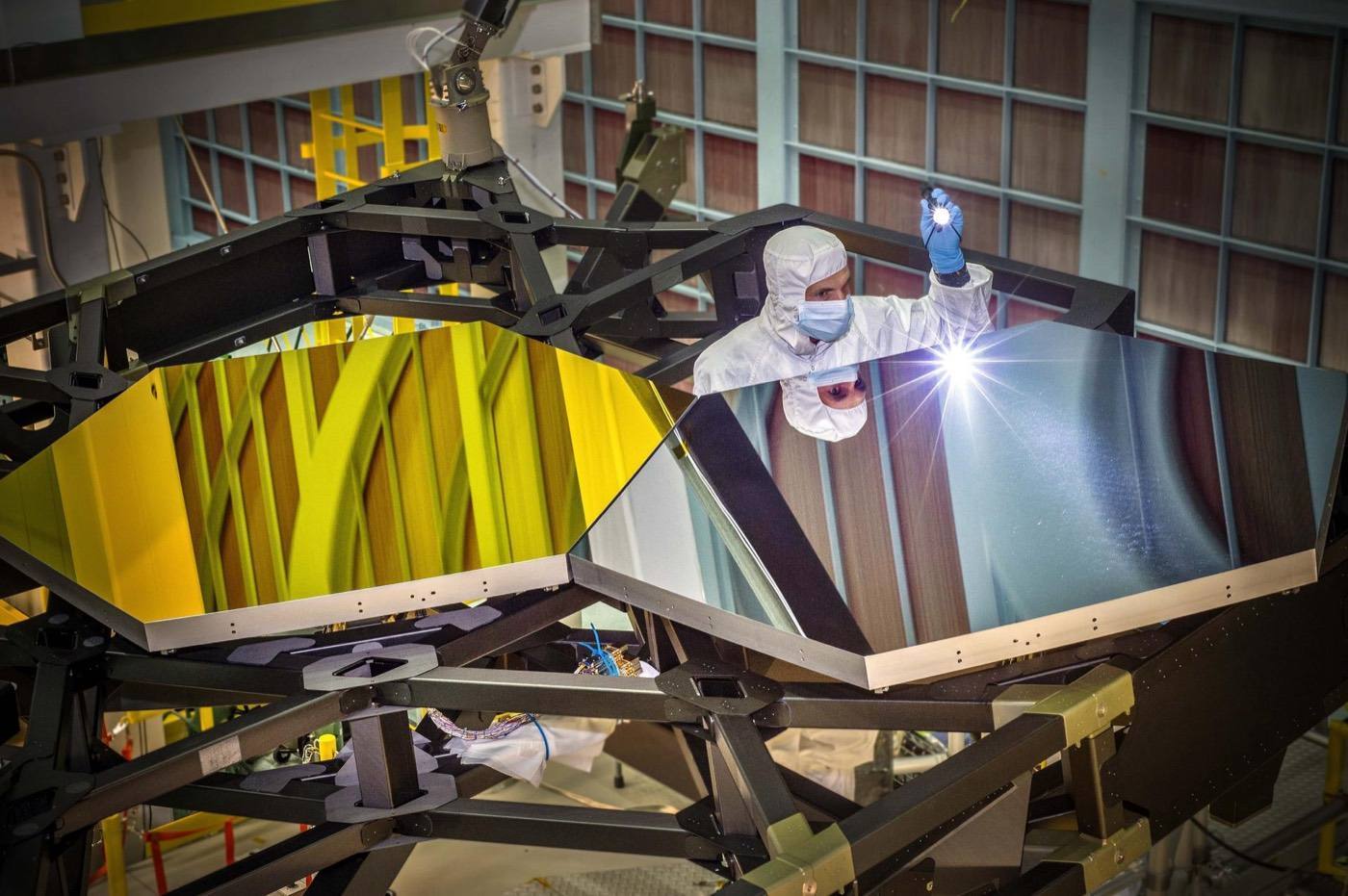
Understanding the AI Boom
The term "artificial intelligence" may evoke images of futuristic robots or complex algorithms, but in 2013, it is the promise of certainty that is capturing the imaginations of businesses and consumers alike. From customer service bots to advanced data analytics, AI systems are increasingly touted as tools that can help us navigate an unpredictable world. As we delve into this phenomenon, it becomes imperative to examine the implications of such a reliance on technology for certainty.
The Left's Overreliance on Technology
On one hand, left-leaning advocates often champion the role of AI in promoting efficiency and innovation. They argue that AI can be a powerful ally in solving social issues, from healthcare to environmental challenges. However, this enthusiasm can lead to an overreliance on technology as a panacea for complex problems. The assumption that algorithms can provide definitive solutions risks undermining the human touch that is often essential in compassionate fields such as social work or mental health.
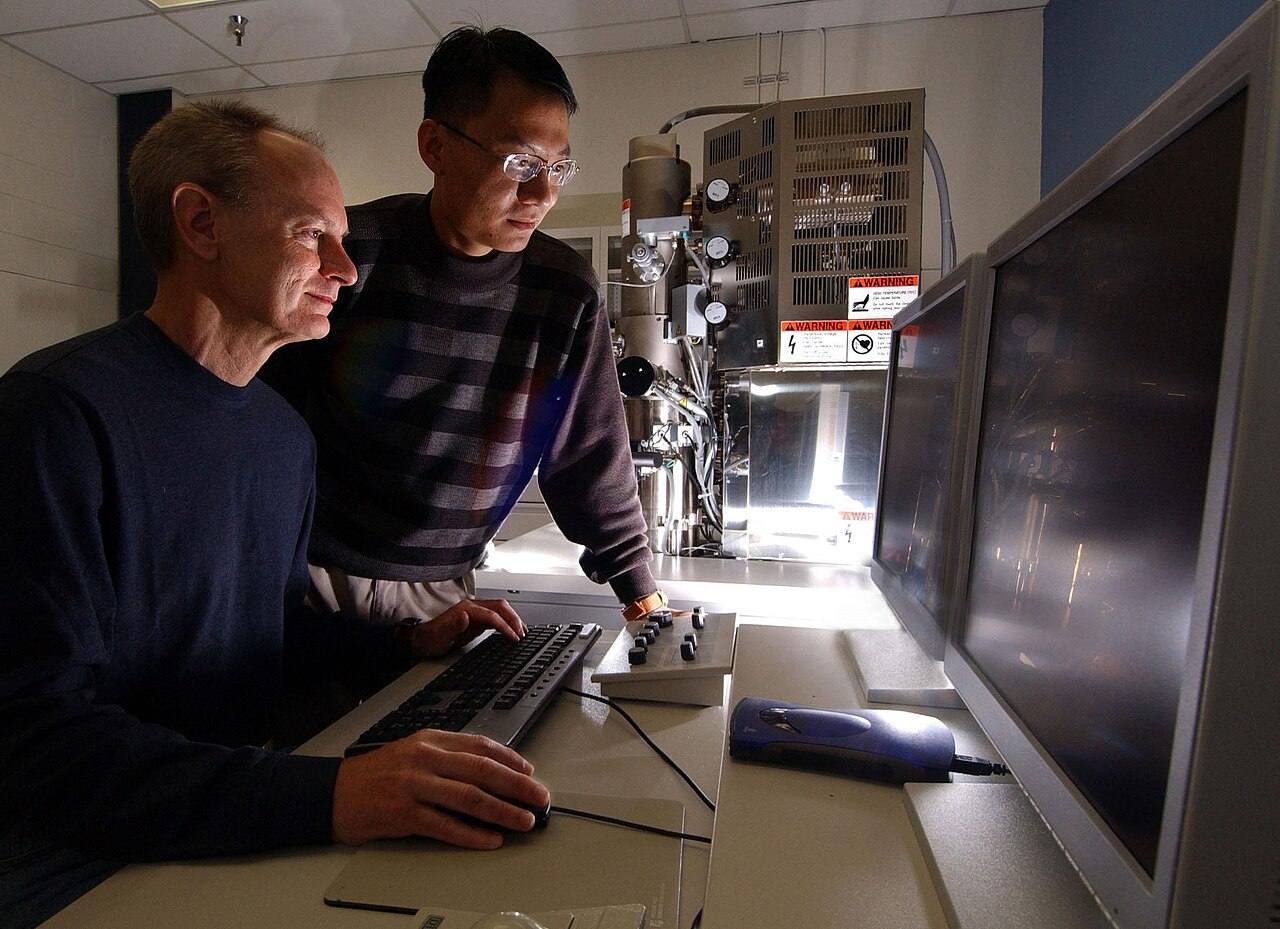
"The assumption that algorithms can provide definitive solutions risks undermining the human touch."
The Right's Tech Skepticism
Conversely, right-leaning skeptics often question the efficacy of these systems, pointing to potential pitfalls in decision-making processes dominated by algorithms. They raise concerns about privacy, security, and the loss of jobs to machines. While these apprehensions are valid, they can sometimes veer into alarmism, dismissing the potential benefits of AI altogether. Instead of fostering a balanced discussion, this perspective can contribute to a culture of fear that hampers innovation.
Certainty in Uncertain Times
In an era marked by economic instability and rapid change, the draw of certainty becomes more pronounced. AI systems promise data-driven insights that can help organizations make informed decisions, thereby reducing risk. This appeal is particularly strong for businesses seeking to optimize operations and improve customer experiences in a highly competitive marketplace. However, the reliance on these systems raises ethical questions about accountability and transparency.
Data Overload vs. Insight
An additional challenge lies in the distinction between data overload and actionable insight. The rise of big data has led to a situation where organizations are inundated with information, and they often turn to AI to sift through it all. While AI can identify patterns and trends, there is a danger that companies may misinterpret the information or place too much trust in the findings of an algorithm without human oversight. The pursuit of certainty can quickly devolve into a form of technological determinism, where decisions are made based solely on data without considering the broader context.
Balancing Innovation with Caution
As we navigate the uncharted waters of AI technology, it is crucial that we strike a balance between embracing innovation and exercising caution. Policymakers must set guidelines that ensure ethical standards are upheld in AI development. Additionally, organizations need to foster a culture that values human oversight in decision-making processes, ensuring that technology serves as a tool to enhance human capabilities rather than replace them.
A Call for Collaboration
There is a pressing need for collaboration among technologists, ethicists, and policymakers to address the complexities of AI. By engaging in open dialogue, we can harness the potential of AI while mitigating its risks. This collaborative approach can help to create systems that are not only efficient but also equitable and just, ensuring that the benefits of AI are distributed fairly across society.
Conclusion: The Future of AI
In conclusion, the current fascination with AI systems reflects a broader societal desire for certainty in an uncertain world. However, as we continue to integrate these technologies into our lives, it is essential to remain vigilant about the potential consequences. The excitement surrounding AI must be tempered with a commitment to ethical practices and an understanding that technology should complement, not replace, the human element in our decision-making processes.
✦ ✦ ✦