From the file. Written for the paper dated September 2013. Opened in the public stacks July 14, 2026.
As scientists and policymakers gather to review the latest findings from ocean surveys, a curious pattern emerges that highlights the selective memory of both political parties.

The Ocean's Secrets
Ocean surveys are a crucial component in understanding the health of our planet and its ecosystems. They provide invaluable data on everything from fish populations to the impacts of climate change. Recently, a comprehensive survey revealed alarming declines in marine biodiversity and the increasing acidification of ocean waters, presenting a stark picture of the challenges we face. Yet, as the findings are shared with the public and policymakers, both left and right seem to engage in a selective memory game that distorts the narrative.

Bipartisan Amnesia
On one side, environmentalists and progressive politicians often champion the need for immediate action on climate change, citing the ocean's plight as a central issue. They emphasize that without urgent intervention, we risk catastrophic consequences. However, this passionate rhetoric sometimes overlooks previous administrations’ contributions to oceanic research and preservation - often downplaying their own party's historical commitments to environmental agreements and conservation efforts.

Conversely, conservative lawmakers tend to rally against environmental regulations, arguing that they stifle economic growth and job creation. While it is true that some regulations can be burdensome, the conservative narrative frequently neglects the fact that many of these policies were enacted to protect our precious marine resources. This selective criticism can obscure the progress made by previous Republican administrations in promoting ocean conservation.

"The ocean is not just an environmental issue; it’s a matter of national security and economic stability."
The Economic Argument
One of the most compelling arguments for ocean conservation is its direct tie to economic stability. Fisheries support millions of jobs and contribute billions to the economy. Yet, both sides of the aisle seem to forget this fundamental point when it suits their agendas. Environmentalists may ignore the economic implications of overregulation, while conservatives might downplay the environmental impact of unchecked fishing practices.
For example, as ocean temperatures rise and fish stocks dwindle, the long-term economic viability of fishing industries could be severely compromised. A balanced approach that considers both ecological health and economic realities is essential, but the rhetoric often strays too far in one direction or the other. This ideological tug-of-war can lead to policy paralysis, preventing meaningful progress in addressing ocean health.
Science as a Political Tool
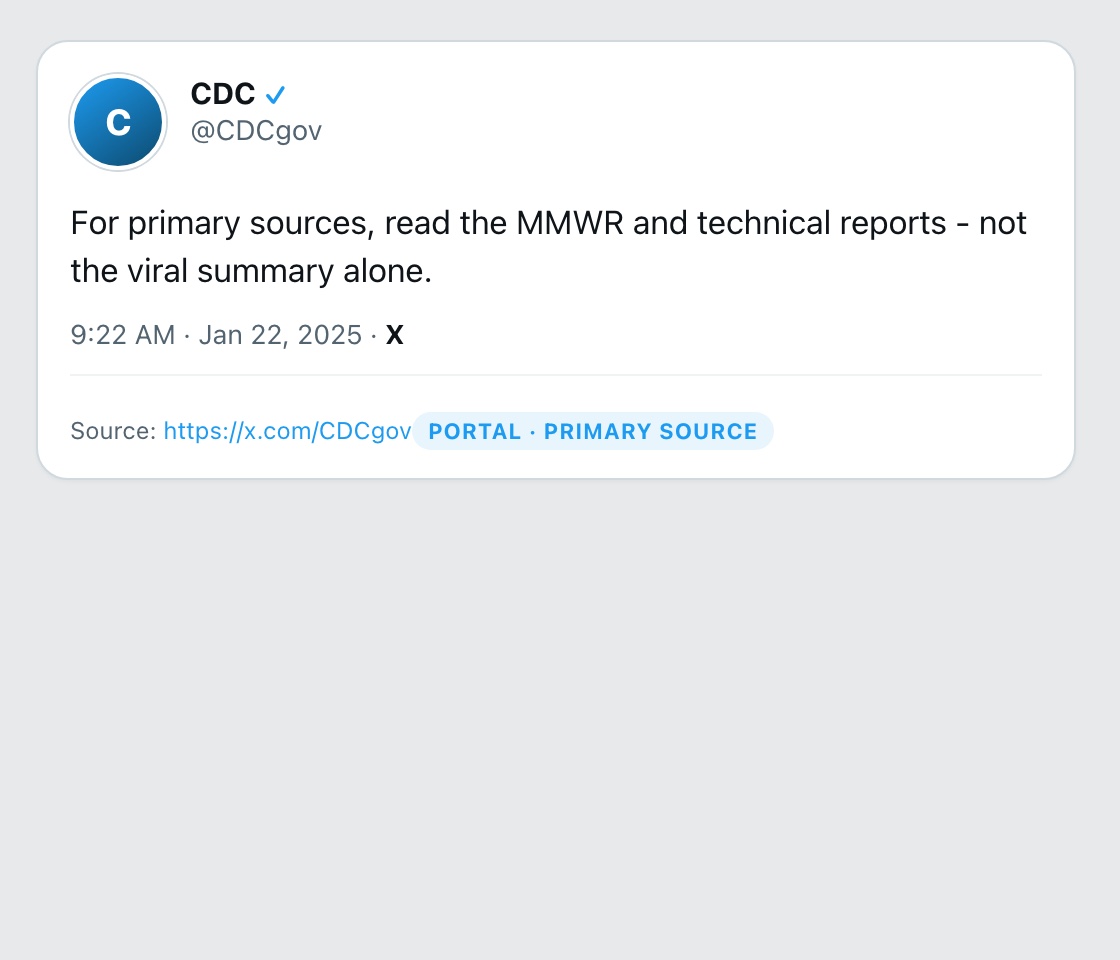
The politicization of science is yet another issue at play. When scientific data is presented, both sides often filter it through their ideological lenses. For instance, climate change data is sometimes cherry-picked to support predetermined narratives, whether emphasizing dire predictions or downplaying risks. This manipulation of scientific findings undermines public trust in science and further complicates the already challenging task of crafting effective ocean policies.
A Call for Unity
The ocean is a shared resource that transcends political boundaries. The challenges it faces require a unified approach that prioritizes the health of our marine ecosystems without sacrificing economic interests. It is essential for lawmakers from both sides to acknowledge the complexities of ocean science and the necessity of bipartisan cooperation.
Moving forward, we must foster an environment where scientific data informs policy rather than being twisted to fit partisan narratives. By embracing a more holistic view of ocean health, we can begin to forge solutions that benefit both our environment and our economy.
Charting a New Course
The urgency of the situation is clear, and the time for action is now. As ocean surveys continue to reveal the stark realities of our oceans, it is imperative that both the left and right set aside their selective memories and work together towards a sustainable future. The health of our oceans - and, by extension, our planet - depends on it.
✦ ✦ ✦