From the file. Written for the paper dated August 2013. Opened in the public stacks July 14, 2026.
In an era where expertise is often heralded as the ultimate authority, a troubling trend has emerged: the overclaiming of expertise by those we have been conditioned to trust. This phenomenon, which transcends political affiliations, reveals a quiet failure of oversight that warrants closer examination.

The Rise of the Expert Class
Across various sectors, from economics to healthcare to environmental science, experts have been positioned as the guiding lights in complex discussions. Their insights are often presented as definitive answers, leaving little room for debate or dissent. However, this elevation of experts can lead to an unsettling dynamic where authority is conflated with infallibility. Experts, it seems, are not immune to the human tendencies of overconfidence and bias.
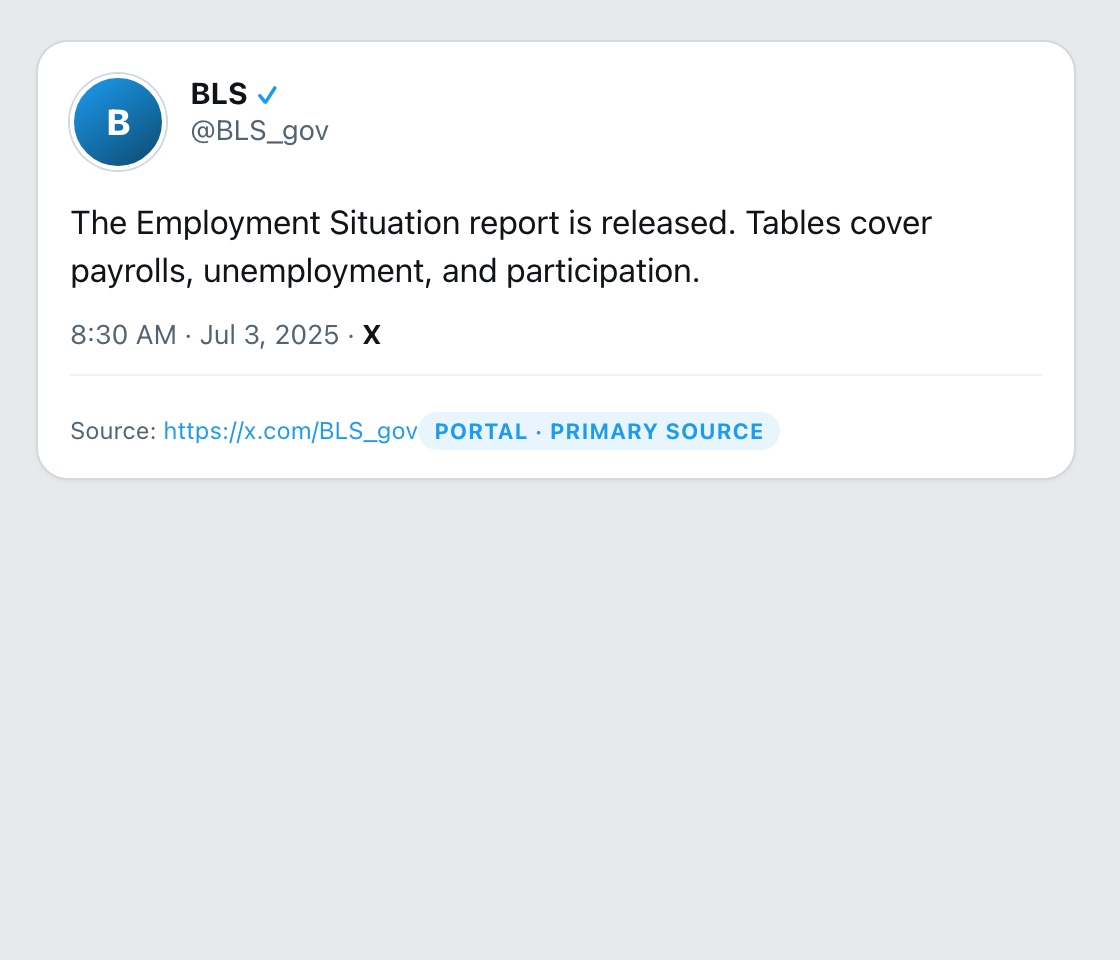
This is not to diminish the value of expertise; rather, it is to highlight the dangers of relying solely on expert opinion without critical analysis. When experts overclaim, they risk not only their credibility but also the trust of the public. This can lead to widespread misinformation, as the general populace may accept overreaching claims without sufficient scrutiny.

Excesses from the Left
In recent years, the left has often championed experts in the realms of climate science and public health. While the urgency to address issues like climate change is commendable, there is a tendency to present predictions as certainties. For example, dire forecasts about catastrophic climate events can sometimes overlook the complexities and uncertainties inherent in climate modeling. Such claims, while grounded in serious research, can alarm the public and stifle constructive dialogue.
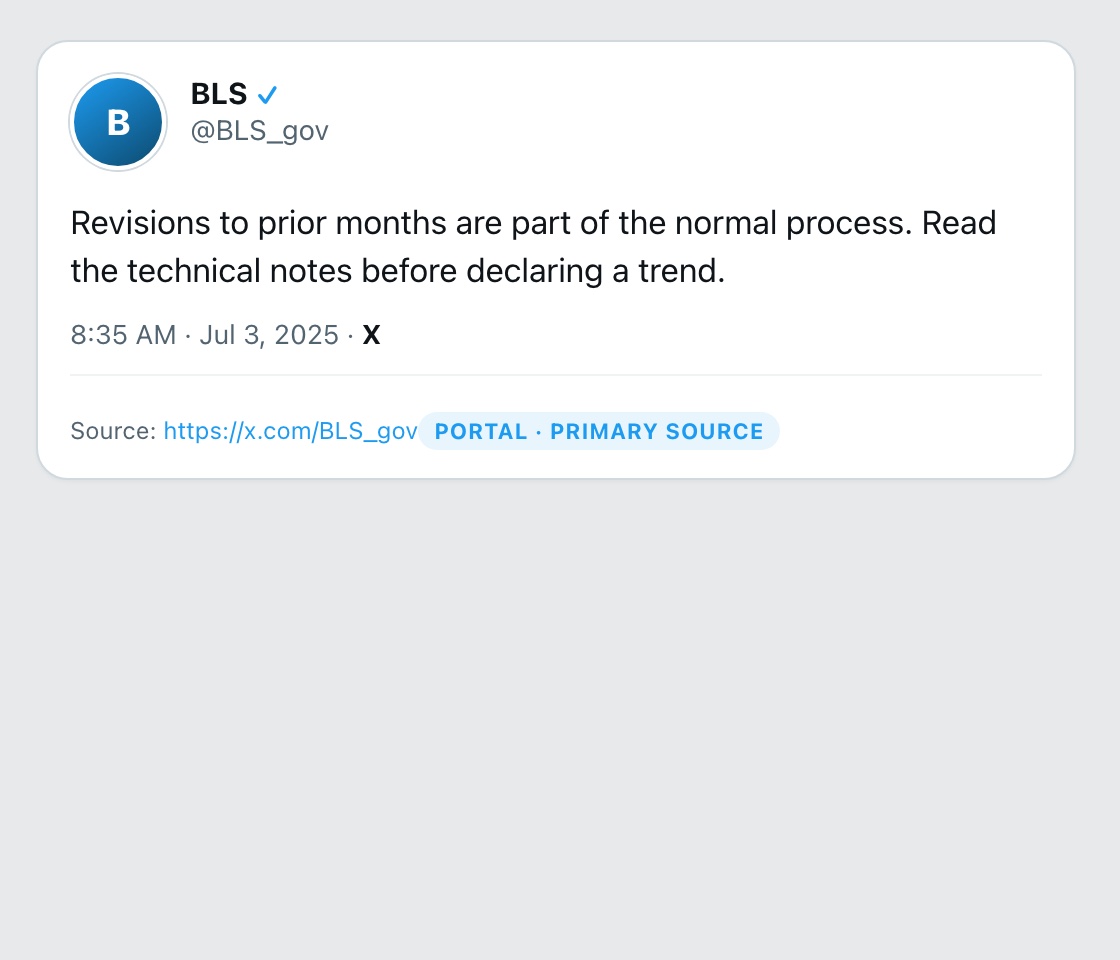
"When experts overclaim, they risk not only their credibility but also the trust of the public."
This overreach can lead to a backlash against science and experts, fostering skepticism among those who may not fully understand the nuances of scientific inquiry. When the left paints a bleak picture without acknowledging the uncertainties, they inadvertently alienate potential allies who might otherwise engage in meaningful discussions about climate solutions.
Excesses from the Right
Conversely, the right has often positioned itself as the bastion of skepticism against expert opinion, particularly in the fields of economics and public health. This skepticism can devolve into outright denialism, where legitimate scientific consensus is dismissed as elitist or out of touch. For instance, the refusal to accept expert advice on public health issues, such as vaccination, can lead to dangerous consequences for public safety.
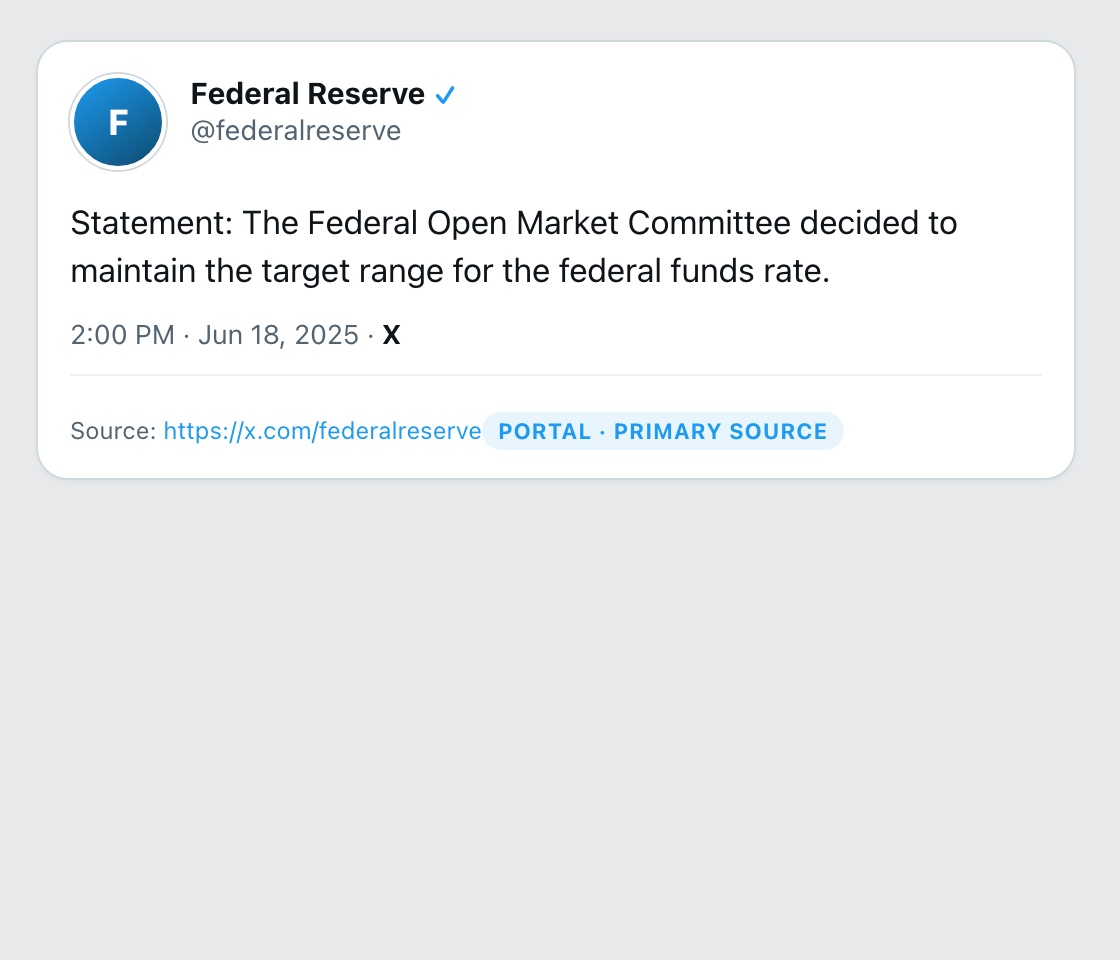
In their quest to challenge perceived liberal orthodoxy, some on the right may exaggerate uncertainties or misinterpret data to suit their narratives. This tactic not only undermines the integrity of scientific discussions but also erodes public trust in experts altogether. The refusal to acknowledge the value of expertise can create a dangerous environment where misinformation thrives.
A Call for Balanced Discourse
Both sides of the political spectrum exhibit a tendency to elevate their preferred experts while dismissing those who disagree. This tribalism threatens the very fabric of informed discourse. To restore faith in expertise, it is imperative that we foster an environment where open dialogue and critical evaluation are encouraged. Experts must be held accountable for their claims, and it is the responsibility of the media and the public to demand clarity and transparency.
Conclusion: Embracing Nuance
In conclusion, the overclaiming of expertise is a pressing issue that transcends political affiliation. Acknowledging the limitations of expert opinion does not diminish its value; rather, it enriches the conversation and encourages a more nuanced understanding of complex issues. As we navigate the turbulent waters of public discourse, let us strive to champion not only expertise but also the critical thinking that allows us to engage with it effectively.
✦ ✦ ✦