From the file. Written for the paper dated July 2013. Opened in the public stacks July 14, 2026.
In the ongoing conversation about voting machinery, Americans find themselves at a crossroads, with both sides of the political spectrum exhibiting tendencies that warrant scrutiny. Whether it's the left's penchant for expansive reforms or the right's call for stringent regulations, the week has highlighted the excesses that can undermine the integrity of the electoral process.
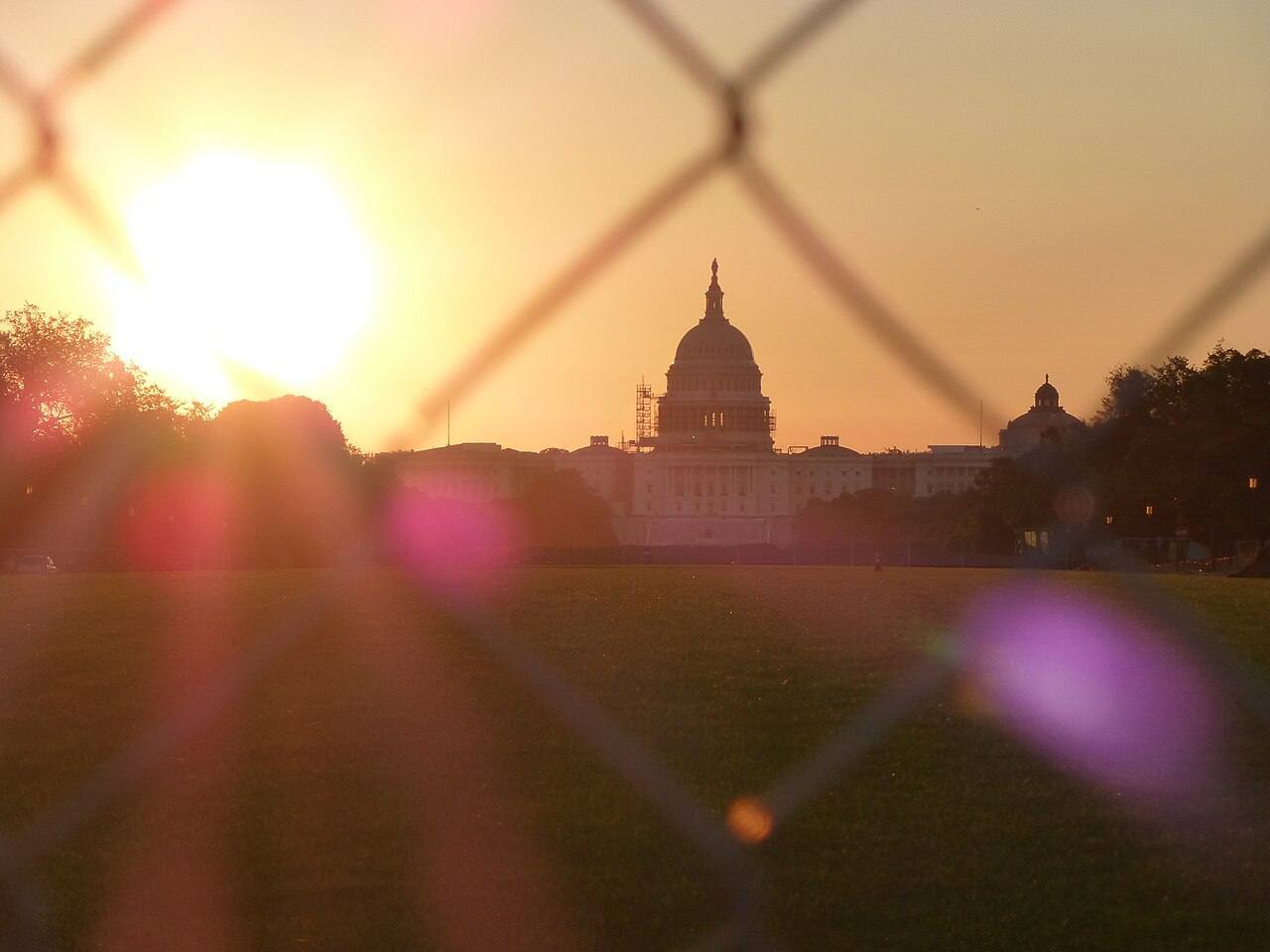
The Left's Push for Progress
On one side, the left is making a significant push for reforms aimed at expanding access to the voting process. Advocates argue that modernizing voting machinery is essential to ensure that every citizen can participate in democracy. Proposals include automatic voter registration and the implementation of online voting systems. While these initiatives aim to empower voters, they raise questions about security and the potential for fraud.
"We must ensure that every eligible voter has the opportunity to cast their ballot without unnecessary barriers." - A prominent voting rights advocate
Critics on the right express legitimate concerns about the integrity of such systems. The idea of online voting, while appealing in its convenience, risks exposing the electoral process to cyber threats. Moreover, automatic voter registration could inadvertently include individuals who are not eligible to vote, thereby diluting the legitimacy of the electoral rolls.
The Right's Focus on Security
Meanwhile, the right is increasingly vocal about the need for stringent regulations surrounding voting machinery. This week, several states have introduced measures aimed at tightening voter ID laws and enhancing the scrutiny of voting machines. Proponents argue that these measures are necessary to prevent voter fraud and ensure the integrity of elections. However, this approach tends to overlook the fact that the incidence of voter fraud is exceedingly rare.
"We must protect the sanctity of our elections and ensure that every vote counts - legally." - A Republican state legislator
While the desire to safeguard the electoral process is commendable, the right's excessive focus on voter ID laws can create barriers for legitimate voters. Many citizens, particularly those from marginalized communities, may lack the necessary identification to vote. This has the unintended effect of disenfranchising those who are already at a disadvantage in the electoral system.
A Call for Balance
What is needed is a balanced approach that addresses the concerns of both sides without sacrificing the core principles of democracy. Rather than viewing voting machinery through a partisan lens, lawmakers should come together to create a framework that promotes access while maintaining security. This means investing in secure, reliable voting technology and ensuring that all eligible voters can participate without unnecessary hurdles.

Moreover, discussions about voting machinery should involve the voices of those who are directly impacted by these policies. Engaging with communities that often face barriers to voting can illuminate the issues at stake and help guide lawmakers toward more equitable solutions.
Looking Ahead
This week has underscored the importance of vigilance in the ongoing debate over voting machinery. As lawmakers return to their respective states, it is crucial they consider the broader implications of their proposals. Striking a balance between access and security is not just a political necessity; it is a moral imperative. The integrity of our democracy depends on it.
✦ ✦ ✦