From the file. Written for the paper dated July 2013. Opened in the public stacks July 14, 2026.
In a week marked by political posturing and media scrutiny, public trust remains an elusive commodity. A recent survey sheds light on the current state of confidence in government institutions, revealing stark divisions that reflect the broader political landscape of July 2013.
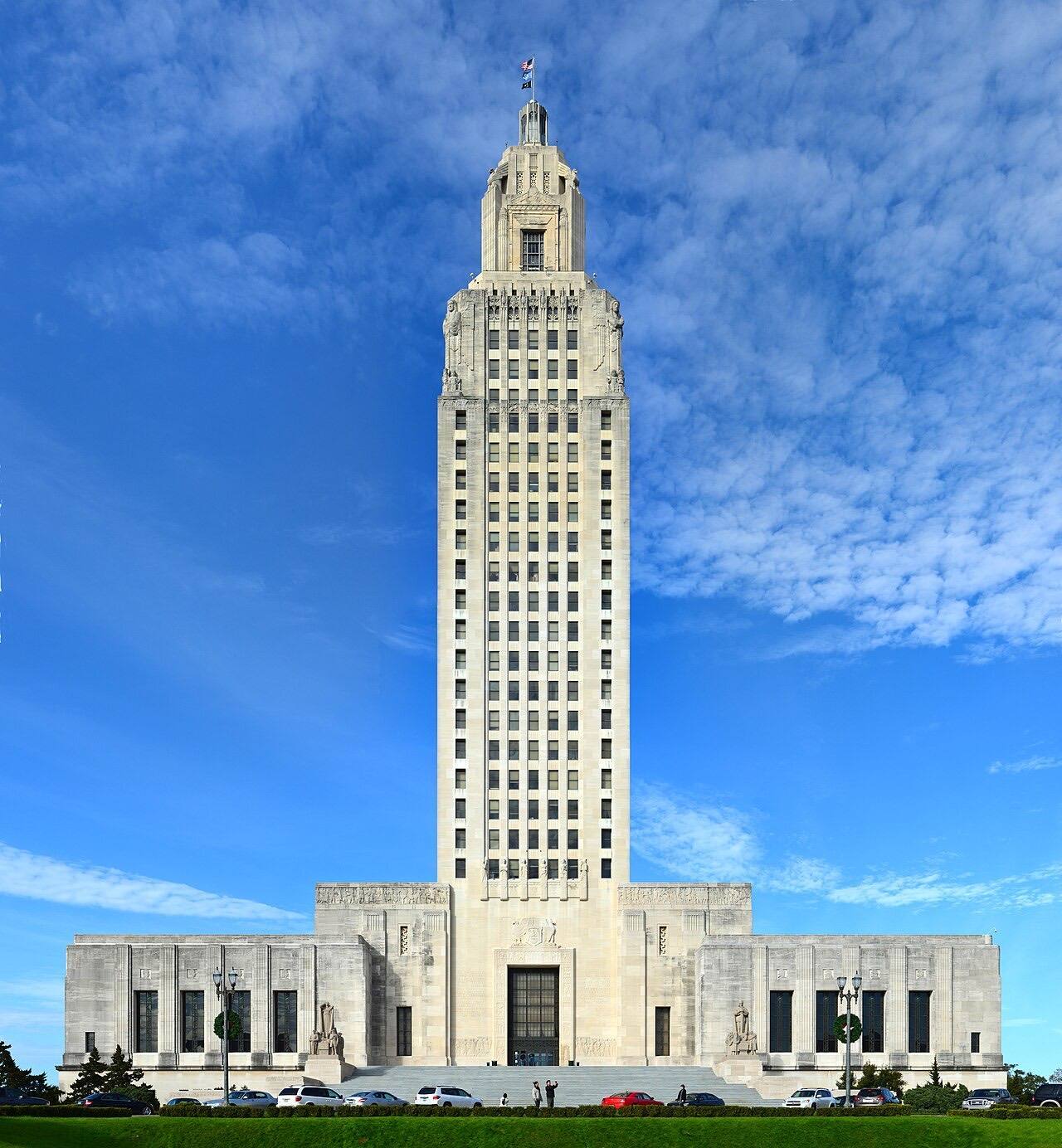
The Survey Results
According to the survey conducted by reputable polling organizations, public trust in government has hit a new low. Only 19 percent of respondents expressed trust in Congress, a statistic that underscores the growing cynicism toward legislative bodies. Meanwhile, the presidency fares slightly better, with a trust level hovering around 40 percent. This distrust is not merely a partisan issue; it spans across the political spectrum, raising questions about the effectiveness and integrity of our political institutions.
The Left's Dilemma
The left has, for years, championed social justice and economic equality. Yet, as the survey results suggest, the disillusionment with government is palpable among their supporters. Many feel that the promise of change has been overshadowed by political maneuvering and compromise that often leads to watered-down policies. The fervor for progressive reform seems to have waned, replaced by a sense of betrayal. Activists who once rallied for healthcare reform or climate action are now questioning whether their voices truly matter in the halls of power.
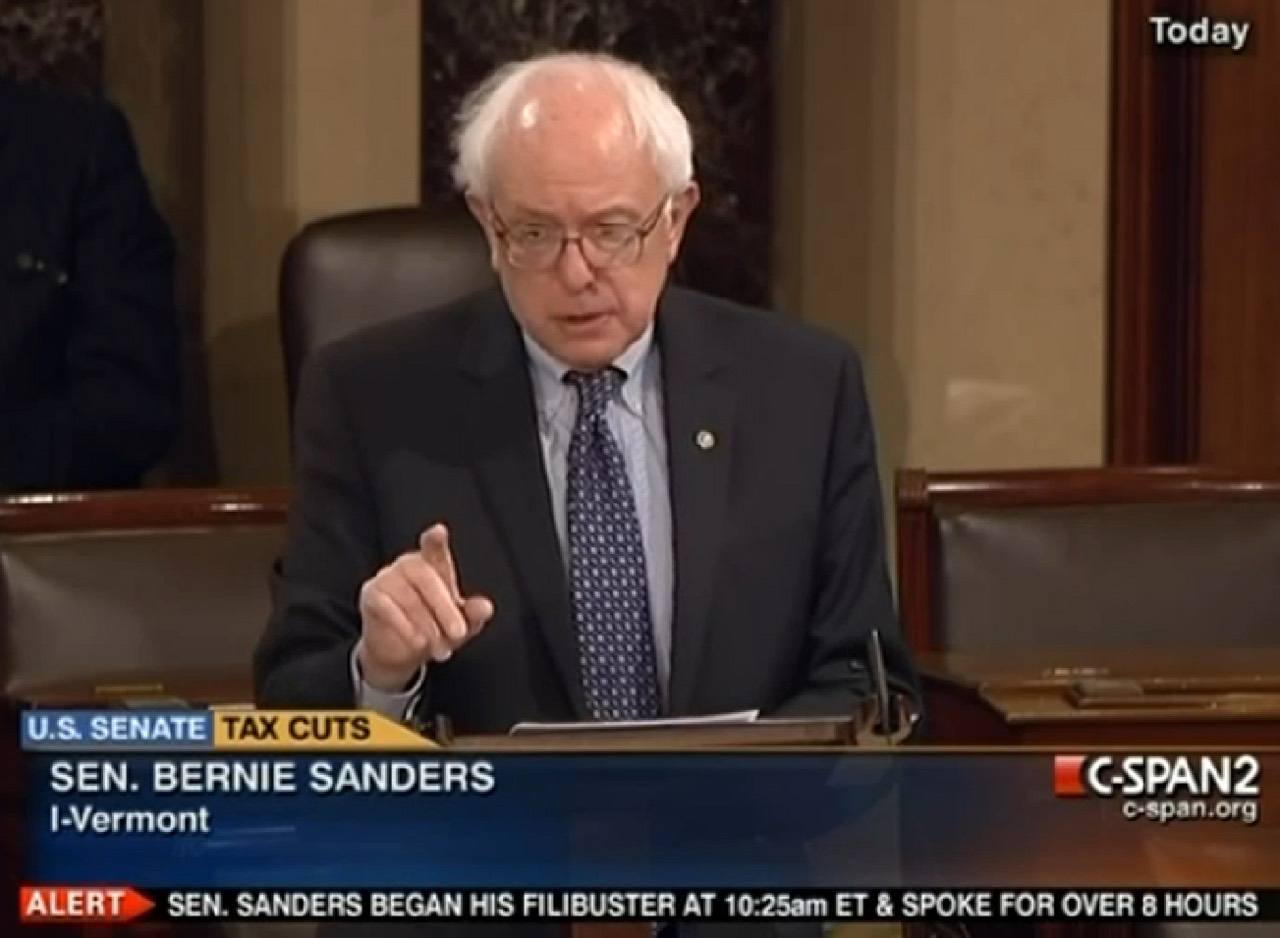
"We are tired of being promised the moon and receiving only a handful of stars."
Critics argue that the left's failure to deliver on key issues has eroded trust not only in their agenda but in government as a whole. This disappointment has bred a culture of skepticism, causing many to withdraw from the political process. As the survey indicates, the left is grappling with the consequences of its own inaction and the perception that it is not living up to its ideals.
The Right's Challenge
On the other side of the aisle, the right faces its own set of challenges. The survey reveals a stark polarization among conservative voters. While many remain loyal to the Republican Party, there is a growing faction that questions the party's commitment to its foundational principles. The rise of the Tea Party movement has complicated the political landscape, creating an internal struggle between establishment Republicans and more radical elements.
This internal conflict has led to a lack of coherent messaging, leaving many voters feeling alienated and disillusioned. The survey highlights this crisis of confidence, with many conservatives expressing doubt about their party’s ability to present a viable alternative to the status quo. As they grapple with issues like immigration reform and healthcare, the right is tasked with uniting its base while addressing the concerns of a broader constituency.

"We need leadership that reflects our values, not just party loyalty."
A Call for Accountability
Amidst this growing distrust in institutions, both sides of the political spectrum must reckon with the need for accountability. The survey demonstrates that Americans are increasingly skeptical of politicians who fail to deliver on their promises. As public faith wanes, the potential for civic engagement diminishes, creating a vicious cycle that threatens the integrity of democratic processes.
Moreover, the role of the media cannot be ignored. In an age where sensationalism often trumps substance, the reporting of political events can shape public perception in profound ways. The survey indicates that many Americans feel that the media contributes to the erosion of trust rather than fostering it. As the lines between news and opinion continue to blur, there is a pressing need for a return to journalistic integrity and accountability.
The Path Forward
Ultimately, rebuilding public trust requires a concerted effort from all stakeholders involved. Politicians must prioritize transparency and accountability, engaging with constituents in meaningful ways. Grassroots movements can play a pivotal role in holding elected officials accountable, ensuring that the voices of ordinary citizens are heard.
As we reflect on the survey results, it becomes clear that the path forward is fraught with challenges. Both the left and the right must confront their respective shortcomings while striving for a renewed commitment to serve the public good. A functioning democracy relies on the trust of its citizens, and without it, the very fabric of our society risks unraveling.
✦ ✦ ✦