From the file. Written for the paper dated July 2013. Opened in the public stacks July 14, 2026.
In this week’s political theater, the debate has shifted from substantive outcomes to ritualistic processes, leaving many Americans wondering: what about performance?

The left continues to champion the cause of procedural justice, advocating for reforms that emphasize fairness and inclusivity. However, this fixation on process often leads to a dilution of actual results. Take, for instance, the ongoing discussions around healthcare reform. While it is commendable to ensure that all voices are heard in the legislative process, the relentless focus on procedural niceties has overshadowed the urgency of delivering effective healthcare solutions to millions of Americans. Can we afford to lose sight of results in favor of endless negotiations?

On the right, there is an equally troubling trend. Many conservatives have taken to decrying the perceived inefficiencies of government, calling for a streamlined process that prioritizes fiscal responsibility. Yet, in their zeal to cut red tape, they often overlook the importance of thorough deliberation. When the emphasis shifts entirely to speed and efficiency, we risk enacting policies that are not only ineffective but potentially damaging. The recent budget debates are a prime example of this: hasty decisions made in the name of efficiency often result in a lack of accountability.

“In the end, it’s the results that matter, not just how we got there.”
For the American public, the consequences of this fixation on process over performance are glaring. Citizens are increasingly disillusioned with political discourse that prioritizes procedural wins over tangible outcomes. Whether it is the lack of progress on gun control legislation or the stagnation in immigration reform, the narrative has become one of process triumphing over the very performance that citizens demand. It is a disservice to those who elected their representatives to enact change and deliver results.

As we sift through the week’s events, it becomes evident that both sides of the aisle are contributing to this growing chasm between intention and impact. While it is essential to craft policies that reflect democratic values, it is equally crucial to ensure that these policies lead to real-world improvements. The American people are not looking for a perfect legislative process; they are looking for results that enhance their lives.
Moreover, the media plays a pivotal role in this dynamic. The relentless coverage of procedural battles often drowns out substantive discussions about the impact of policies. Headlines focus on the latest filibuster or procedural maneuver, while the implications of these actions for everyday Americans remain largely unexamined. This week, for instance, a prominent news outlet dedicated hours of coverage to a procedural standoff, while critical issues like job creation and education reform barely received a mention. This skewed focus fosters a culture where process is celebrated at the expense of performance.
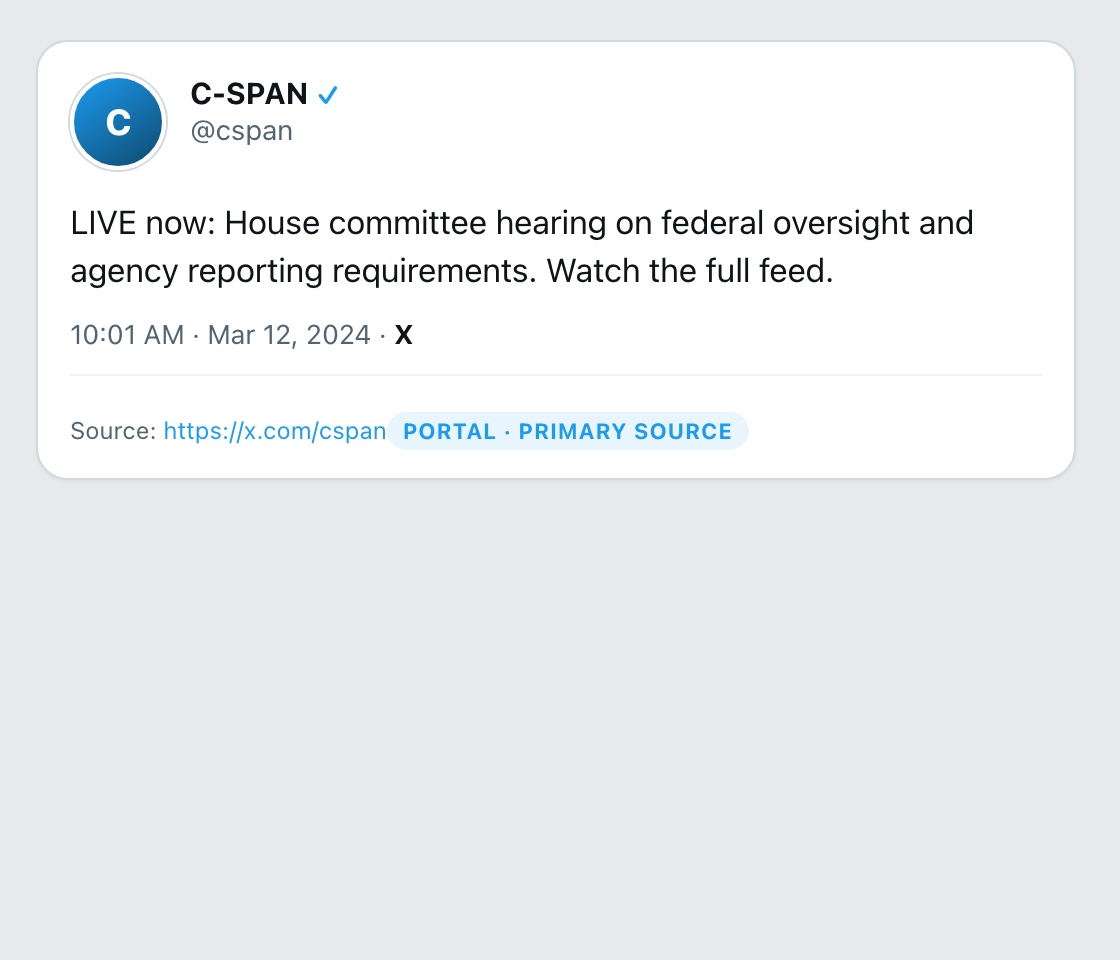
As we navigate this complex landscape, it is vital for citizens to hold both parties accountable - not just for the processes they champion but for the outcomes they produce. This calls for a more engaged electorate, one that demands transparency not only in how decisions are made but also in what those decisions ultimately achieve. It is only by reinstating performance as a measure of success that we can hope to bridge the divide between intention and impact.
Looking ahead, there is an opportunity for a paradigm shift. Leaders on both sides of the aisle should prioritize performance metrics alongside procedural integrity. This does not mean abandoning the principles of democracy; rather, it is a call to enhance them. By focusing on results, we can foster a political environment that is both accountable and responsive to the needs of the populace.
The challenge, then, lies in the willingness of politicians to engage in this honest dialogue. Without a concerted effort to balance process with performance, we risk perpetuating a cycle of disillusionment that could have lasting consequences for our democracy. It is time to shift the narrative and ensure that what truly matters - the impact of policies on people's lives - takes center stage.
Conclusion: A Call for Balance
In conclusion, as we reflect on the week’s events, it is crucial to recognize the dangers of allowing process to overshadow performance. Both the left and the right must strive for a political discourse that values outcomes as much as it values the integrity of the legislative process. As we move forward, let us demand not only a fair process but also a commitment to delivering real results that enhance the quality of life for all Americans.
✦ ✦ ✦