From the file. Written for the paper dated July 2013. Opened in the public stacks July 14, 2026.
In a week defined by the fallout from significant national security leaks, the discourse surrounding privacy and government transparency has reached a fever pitch. Both sides of the political spectrum are grappling with their own narratives, creating a landscape of excess that threatens to overshadow the critical issues at hand.
The Leaks and Their Impact
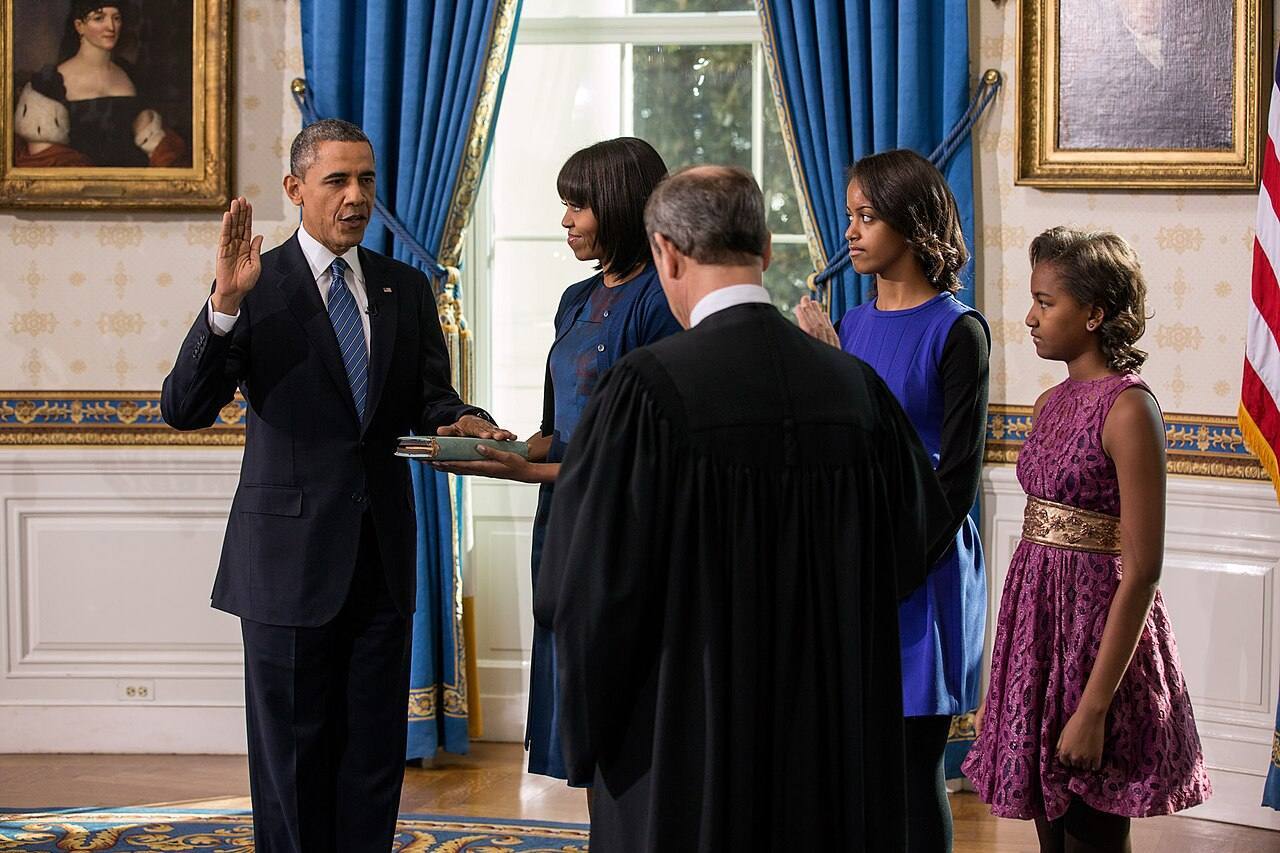
The recent revelations regarding the National Security Agency’s surveillance programs have sparked outrage among civil liberties advocates, while simultaneously eliciting fervent support from those prioritizing national security. The balance between protecting citizens and ensuring the safety of the nation has become a contentious battleground.
On one hand, civil libertarians argue that the government’s intrusive surveillance practices violate constitutional rights. They emphasize that the leaks serve as a wake-up call, highlighting the need for greater accountability and oversight of intelligence operations. Prominent figures in this camp have called for comprehensive reforms to ensure that privacy is respected and that such overreach does not become the norm.
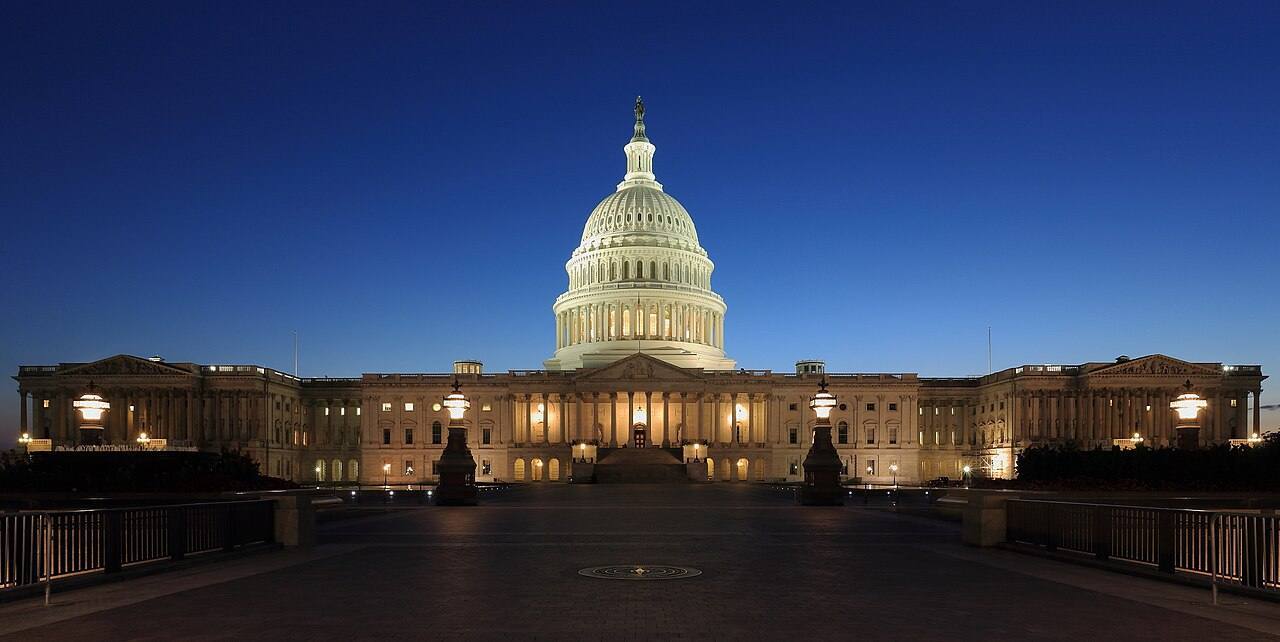
Conversely, proponents of national security argue that these very measures are essential for protecting the country from terrorist threats. They contend that the leaks could compromise ongoing investigations and put lives at risk. This perspective often frames the debate as one of national survival versus individual rights, presenting a false dichotomy that oversimplifies a complex issue.
Excesses on Both Ends
The polarized reactions to these leaks reveal the excesses of both left and right political ideologies. The left, in its righteous indignation, risks veering into a territory where legitimate national security concerns are dismissed outright. This reaction can be detrimental, as it may alienate moderate voices who recognize the necessity of some security measures.
On the other hand, the right’s unwavering support for surveillance practices often dismisses the very real concerns regarding privacy violations. Some conservatives argue that those who criticize the government’s actions are unpatriotic or naïve about the threats facing the nation. This rhetoric not only stifles critical debate but also undermines the trust that citizens must have in their government.
“The balance between privacy and security is a delicate one, and both sides seem to be missing the point.”
As the dust settles from these leaks, it is crucial for both sides to engage in a constructive dialogue that acknowledges the nuances of national security and civil liberties. A failure to do so risks entrenching the divide further and creating an environment where only the loudest voices are heard.
The Role of the Media
The media plays a pivotal role in shaping the narrative around these leaks. Responsible journalism is essential in providing the public with accurate information while also allowing for a range of perspectives to be heard. However, sensationalist reporting can exacerbate tensions and lead to misinformed opinions on both sides.
Moreover, the media itself is not immune to the pressures of partisanship. Outlets that lean left may amplify the calls for reform without adequately considering the implications for national security, while those that lean right may downplay the significance of privacy violations in favor of a more hawkish stance. This imbalance only serves to further polarize the public, making it increasingly difficult to reach a consensus.
Looking Ahead
As the conversation evolves, it is imperative for citizens to engage critically with the information presented to them. A middle ground exists, one that recognizes the importance of national security while also safeguarding civil liberties. This requires a willingness to listen and compromise from both sides of the aisle.
Moreover, lawmakers must take heed of their constituents' concerns. The public is not a monolith; there are varying opinions on the balance between security and privacy. Engaging with these opinions can lead to meaningful policy changes that reflect the values of the nation.
The recent leaks serve as a crucial reminder of the delicate equilibrium between privacy and security. It is a conversation that must continue, grounded in respect for differing viewpoints, if the nation is to navigate this complex landscape successfully.
✦ ✦ ✦