From the file. Written for the paper dated July 2013. Opened in the public stacks July 14, 2026.
The latest factory orders report reveals a mixed bag of economic signals, reflecting both the resilience and the uncertainties facing American manufacturing in July 2013.

Current Trends in Factory Orders
According to the Commerce Department, factory orders rose by a modest 2.1 percent in May, a welcome rebound after a significant drop in April. This increase suggests that manufacturers are slowly regaining their footing following a sluggish start to 2013. However, the optimism is tempered by concerns over global economic conditions and domestic policy decisions that could impact future growth.
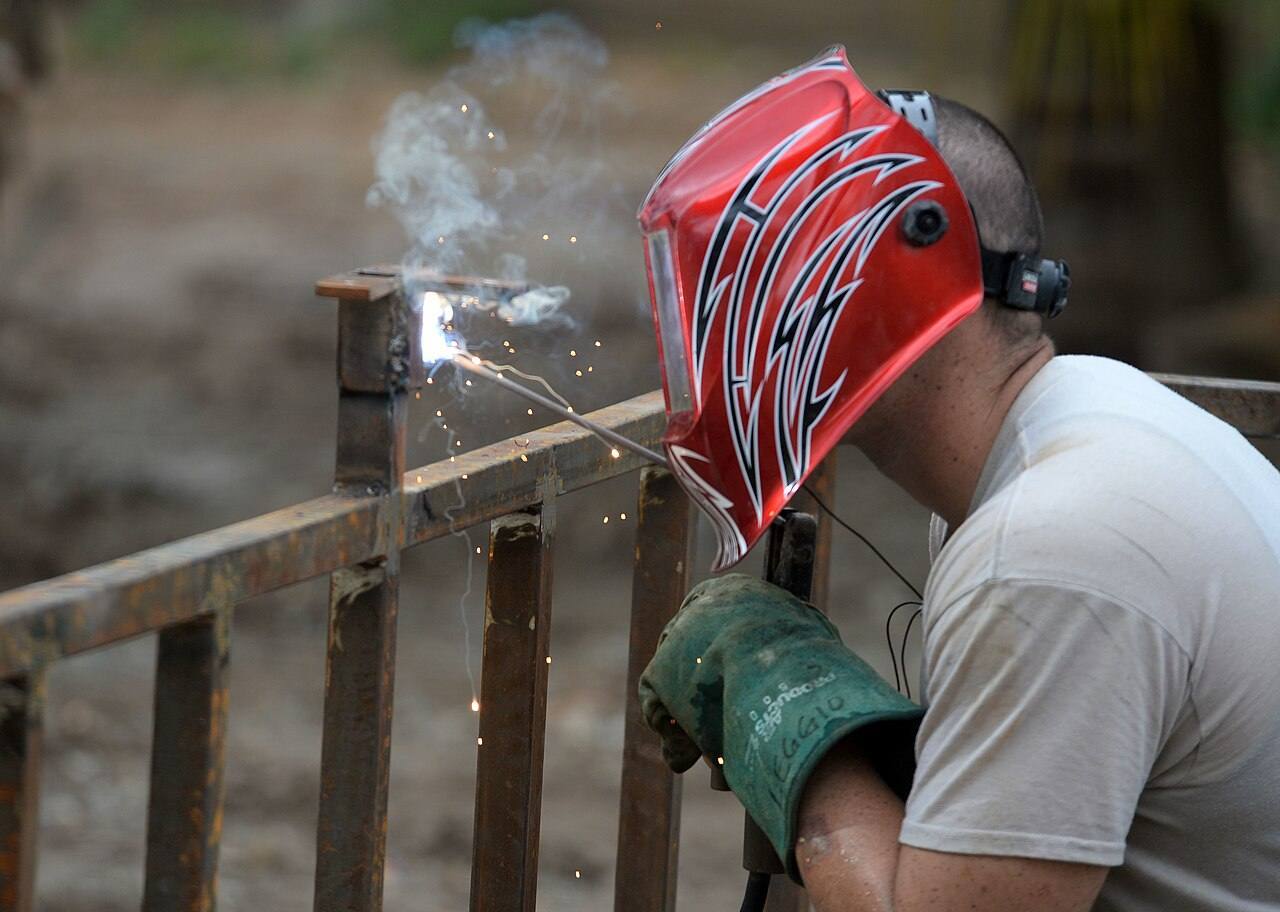
The rise in orders was largely driven by an uptick in demand for durable goods, particularly in the transportation sector. Orders for motor vehicles and parts surged, signaling renewed consumer confidence in spending. Yet, while this is a positive sign, one cannot ignore the broader context in which these numbers are situated. The manufacturing sector, once the backbone of the American economy, has been grappling with a myriad of challenges, from rising labor costs to international competition.
Left and Right Perspectives on Manufacturing
The polarized political climate in Washington has led to starkly different interpretations of these factory order statistics. On the left, some progressives argue that the recovery is too slow and that more robust government intervention is necessary to support manufacturing jobs. They advocate for increased investment in infrastructure and education, viewing these as vital components to bolster the manufacturing workforce for the future.
Conversely, conservative voices claim that excessive regulation and taxation stifle innovation and growth within the sector. They argue that the government should step back and allow market forces to dictate the pace of recovery. While there is merit to the argument for deregulation, the lack of a coherent strategy to rebuild manufacturing infrastructure raises concerns about leaving the industry to fend for itself.
"The recovery is too slow and more robust government intervention is necessary," says a progressive analyst.
As factory orders fluctuate, both sides of the aisle seem to be missing the middle ground. The reality is that manufacturing requires a balanced approach that incorporates both public and private sector solutions. A thriving manufacturing sector cannot be achieved through either extreme alone.
Global Factors at Play
Meanwhile, international developments play a significant role in shaping American manufacturing. The ongoing economic challenges in Europe and the slowdown in China have raised concerns about the sustainability of global demand. Manufacturers are increasingly reliant on exports, making them vulnerable to fluctuations in foreign markets. The recent appreciation of the dollar further complicates matters, as it may make American goods less competitive abroad.
Additionally, the impact of global supply chains cannot be overlooked. Many manufacturers have relocated production facilities overseas in search of lower labor costs, which raises the question of whether American manufacturing can ever return to its former glory. As companies weigh the costs and benefits of onshore production against overseas operations, the decision may hinge on factors beyond just immediate profitability.
The Role of Innovation
Despite these challenges, there remains hope that innovation can drive the manufacturing sector forward. Technological advancements, particularly in automation and digital manufacturing, present opportunities for increased efficiency and reduced costs. However, the question remains whether the current workforce is equipped with the necessary skills to adapt to these changes.
Efforts to bridge the skills gap are underway, with various initiatives aimed at training workers in advanced manufacturing techniques. Yet, as the demand for skilled labor continues to grow, the pace of education and training programs must keep up. A failure to do so could result in a workforce that is ill-prepared for the jobs of the future.
In conclusion, the latest factory orders report serves as a reminder of the complexities facing the manufacturing sector in America. While there are signs of recovery, the path forward is fraught with challenges. A balanced approach, incorporating both public and private sector strategies, along with a focus on innovation and workforce development, may be the key to revitalizing this vital part of the economy.
✦ ✦ ✦