From the file. Written for the paper dated June 2013. Opened in the public stacks July 14, 2026.
In the wake of recent public trust surveys revealing a stark decline in confidence towards government institutions, a closer examination of the procedures and methodologies behind these surveys is warranted. While both sides of the political spectrum are quick to point fingers, few are willing to engage in a substantive dialogue about the implications of such findings.

The Politics of Trust
As the dust settles on the latest public trust survey results, it becomes clear that both the Left and Right have their own narratives to spin. The Left decries the erosion of trust as a direct consequence of right-wing policies, while the Right blames a liberal agenda that they argue undermines traditional values. Yet, beneath the surface of these polarized perspectives lies a significant procedural issue that both sides conveniently overlook: the methodology of trust measurement itself.
Methodology Matters
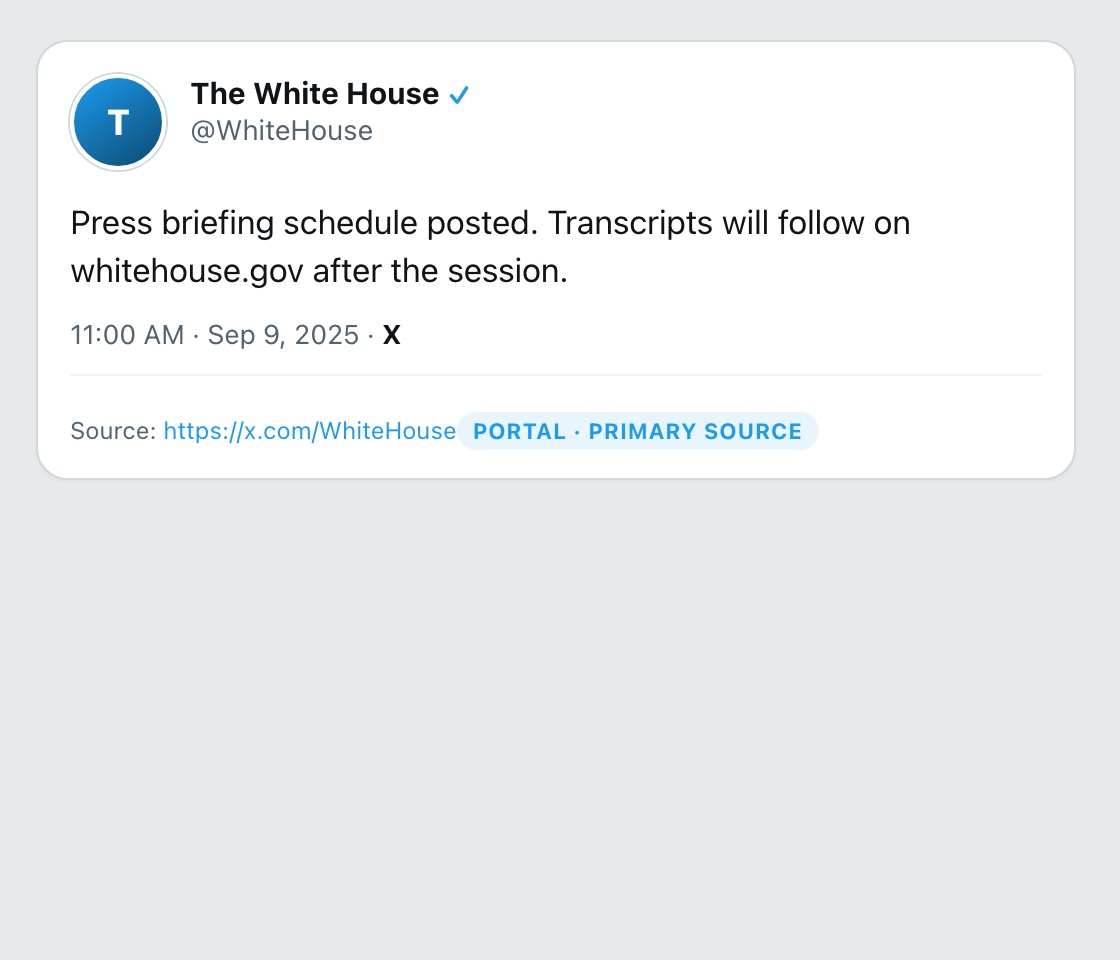
The survey in question utilized a variety of methods to gauge public sentiment, including telephone interviews and online questionnaires. However, the sampling techniques employed have raised eyebrows among researchers and critics alike. The reliance on landline phone surveys skews the demographic representation, often excluding younger populations who predominantly use mobile devices. This raises questions about whether we can generalize the results to the entire population.

Furthermore, the framing of questions can dramatically influence responses. For instance, asking participants whether they trust the government to act in their best interest may yield different outcomes than posing the question in a more neutral tone. Yet both extremes of the political spectrum seem to ignore this aspect, opting instead to use the survey results as ammunition in their ideological battles.
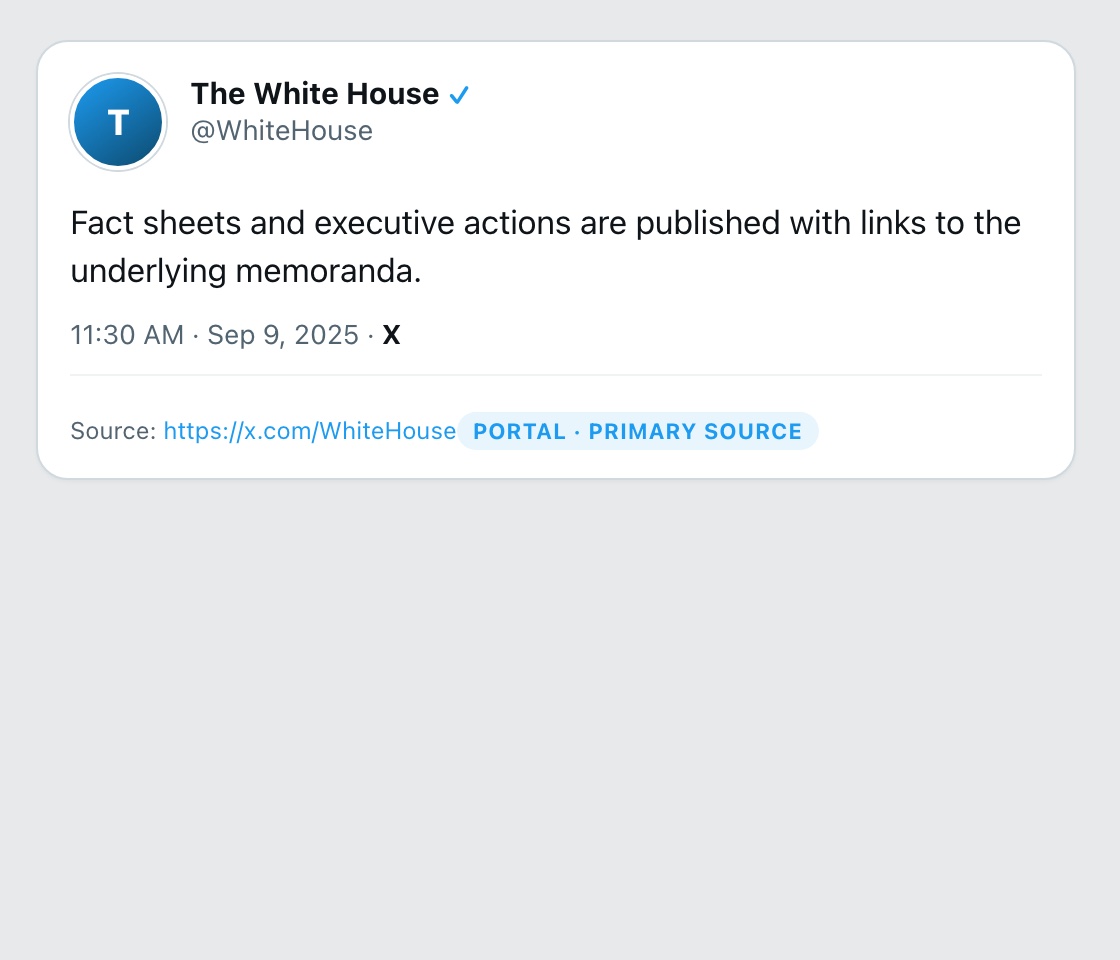
"Public trust is a nuanced issue, yet both sides often ignore the complexity in favor of simplified narratives."
The Blame Game
It is easy for both the Left and Right to attribute the decline in public trust to the failings of the opposing side. The Left often cites the controversial policies of the current administration as evidence of a betrayal of public trust. Meanwhile, the Right points to perceived overreach by regulatory agencies and the federal government as a source of disillusionment among citizens. However, this blame game only serves to distract from the more pressing issue: the need for a serious examination of how trust is measured and understood.
By focusing on finger-pointing rather than introspection, both sides are missing the opportunity to engage in a constructive conversation about rebuilding trust in public institutions. It is essential to ask why public trust has eroded and what practical steps can be taken to address these concerns. This requires an acknowledgment that the process of measuring trust is fraught with challenges, and that simplistic narratives do a disservice to the complexity of the issue.
Rebuilding Trust
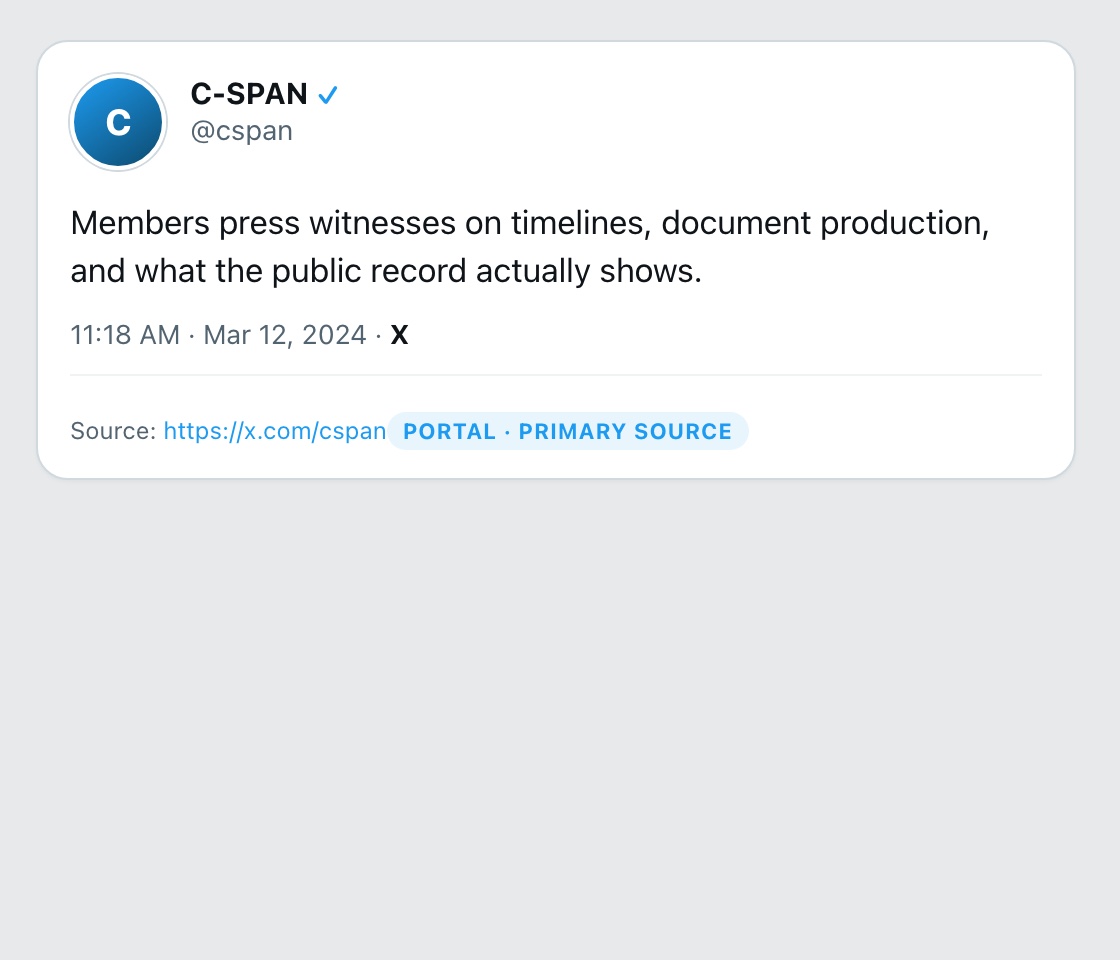
Rebuilding trust will not happen overnight, nor will it be achieved through rhetoric alone. Both sides must commit to a more rigorous examination of the systems that govern our institutions. This includes not only the methodologies employed in surveys but also a broader commitment to transparency and accountability in government. Citizens deserve to know how their trust is being measured and what it means in the context of policy-making.
Moreover, both sides of the aisle must be willing to engage in dialogue that prioritizes the needs of the public over partisan politics. This means listening to the concerns of constituents and addressing the root causes of their distrust. Whether it is through town hall meetings, public forums, or other outreach initiatives, fostering an environment of open communication is paramount to restoring faith in government.
A Call for Nuance
In conclusion, the current state of public trust is a reflection of deeper societal issues that cannot be resolved through partisan blame. Both the Left and Right must acknowledge the limitations of existing survey methodologies and the implications these limitations have on public perception. By fostering a more nuanced understanding of trust and engaging in genuine dialogue, we can begin to repair the frayed bonds between citizens and their government.
✦ ✦ ✦